


More news on this day
Dense fog and low visibility around Seattle–Tacoma International Airport on Friday morning led to a temporary ground stop and widespread delays, disrupting travel plans for passengers across the Pacific Northwest and beyond.
Get the latest news straight to your inbox!
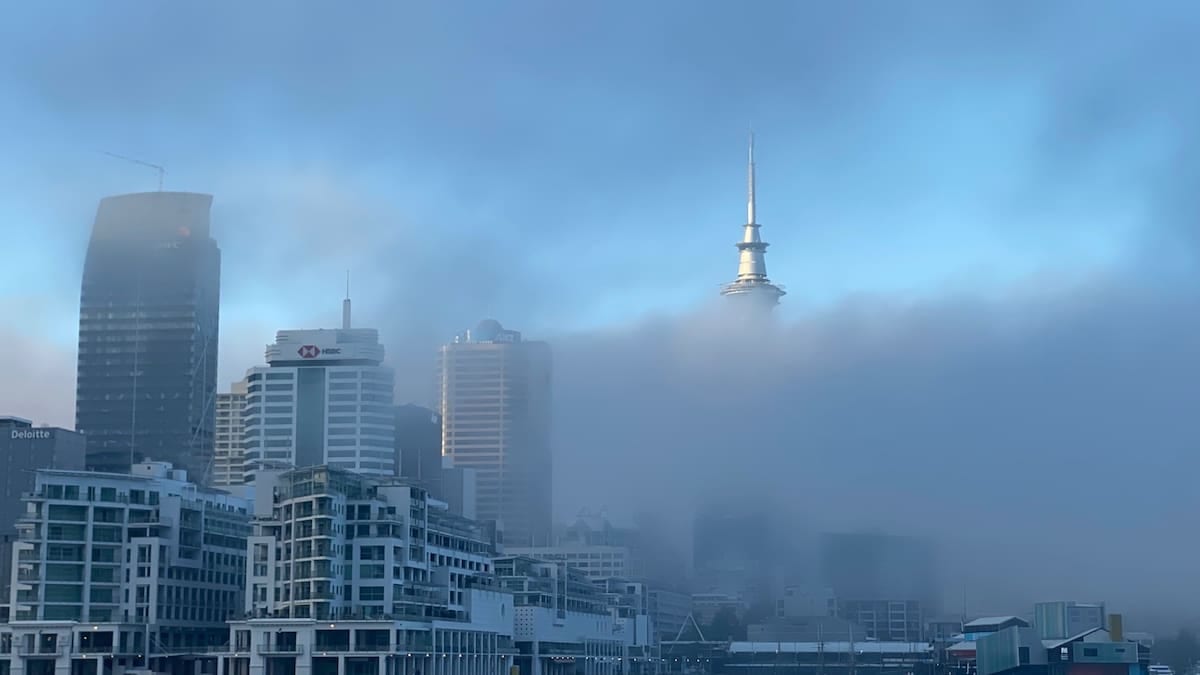
Early Morning Ground Stop Ripples Through Flight Schedules
According to publicly available air traffic management information, a ground stop was issued for flights bound for Seattle–Tacoma International Airport in the early morning hours as visibility dropped below safe approach and departure thresholds. The measure halted some inbound departures from other airports and slowed movements on the ground at SEA, allowing the flow of traffic to be metered until conditions improved.
Operational data shows that the combination of low ceilings and thick fog reduced the usable capacity of the airport’s runways, forcing traffic managers to limit arrivals and extend spacing between aircraft. Even a relatively short ground stop during the morning push created knock-on effects, with aircraft and crews out of position for later segments.
By midmorning, published airport status summaries indicated that the strictest restrictions had begun to ease, but delays remained common for both arrivals and departures. Passengers traveling through SEA reported longer-than-usual waits on tarmacs and at gates as airlines worked through backlogs created during the foggiest period.
Some domestic routes into Seattle experienced rolling departure holds, as departure control centers adjusted release times to match the reduced arrival rate. This left travelers at origin airports facing unexpected gate holds even under clear skies, reflecting how a single hub weather disruption can reverberate through wider airline networks.
Low Visibility Challenges at a Fog-Prone Airport
Historical climate records for the Seattle–Tacoma area show that fog is a recurring issue, particularly during cooler months and periods of stable air, and has long been a planning factor for airport operations. Documentation about the airport’s development notes that fog was a concern even at its original Bow Lake site, prompting later investments in parallel runways and advanced landing systems intended to preserve capacity when visibility drops.
Airport operating manuals and rules make clear that low visibility triggers a distinct set of procedures on the ground. These include speed limits for tugs and service vehicles, tighter restrictions on towing baggage carts and aircraft, and additional safeguards to reduce the risk of collisions when ramp crews cannot rely on clear sight lines. When visibility falls below defined thresholds, certain movements are slowed or suspended, which in turn lengthens turnaround times for aircraft at the gate.
Navigation aids such as instrument landing systems and high-intensity runway lighting can keep some flights moving in fog, but their effectiveness depends on both aircraft equipment and airline operating approvals. As a result, some carriers and aircraft types are able to continue landing and departing at lower visibility levels than others, which can add complexity when traffic management officials are attempting to prioritize limited arrival slots.
Past operational briefings for the region have highlighted low ceilings and fog among the most common weather-related constraints at SEA, alongside winter storms and occasional strong wind events. Friday’s conditions fit into that pattern, reminding travelers that summer in the Pacific Northwest can still bring sudden marine fog banks that interfere with early-morning aviation.
Passenger Disruption Across the Pacific Northwest
The morning ground stop and subsequent flow limitations at SEA affected not only Seattle-bound travelers but also passengers connecting through the airport to destinations across the United States and internationally. Publicly available flight status boards showed clusters of delayed departures on major domestic routes, as well as late-running arrivals from West Coast, Mountain West, and Midwest cities.
Some travelers reported extended time spent on board aircraft waiting for a departure slot or for a gate to open upon arrival, a common outcome when an airport’s movements are tightly regulated during periods of constrained capacity. Even once the thickest fog lifted, the residual backlog of aircraft waiting to land or depart meant that delays continued to accumulate through the late morning.
Regional traffic was also affected. Short-haul flights linking Seattle with secondary airports in Washington, Oregon, Idaho, and British Columbia faced schedule compression and, in some cases, aircraft swaps. For travelers on these routes, even modest delays of 30 to 60 minutes can jeopardize connections to longer-haul services departing from SEA.
Disruptions of this kind can have an outsized effect on airlines that rely heavily on Seattle as a hub. With aircraft and crews cycling through the airport multiple times per day, early-morning weather problems can quickly translate into a daylong challenge of rebalancing rotations, rebooking passengers, and restoring buffers to schedules.
How Travelers Can Navigate Fog-Related Disruptions
Frequent travelers through Seattle are familiar with the region’s tendency toward low clouds and fog, particularly in the early hours. Travel advisories and air traffic outlooks indicate that low ceilings, coastal stratus, and pockets of fog often develop overnight and can persist into the morning, especially during transitions between seasons.
When a ground stop or low-visibility operations are in effect, same-day passengers generally have limited ability to avoid disruption, but certain strategies can reduce uncertainty. Monitoring airline apps and airport departure boards closely can provide early signals of gate holds or revised departure times. Morning travelers with flexible plans may benefit from proactively moving to later flights once a significant delay pattern becomes apparent.
Travel experts often recommend allowing generous connection times when routing through fog-prone hubs during shoulder seasons. For SEA, this can mean building in an extra hour or more for morning connections, particularly when pairing a short regional flight with a long-haul departure. While such buffers cannot eliminate risk, they can improve the chances of making onward flights when operations slow.
For those with critical time-sensitive travel, booking the earliest departure of the day from an origin city can sometimes help, as aircraft are more likely to be in position from the previous night. However, as Friday’s events showed, even early departures can be caught by rapidly forming fog at the destination, underscoring the inherent unpredictability of aviation weather.
Outlook for SEA Operations After the Fog Lifts
Forecasts for the Seattle–Tacoma area suggest that the densest fog was confined to the early morning period, with visibility expected to improve steadily into the afternoon. As ceilings rise and surface visibility returns to typical summer levels, SEA’s runways can operate closer to normal capacity, allowing airlines to work through accumulated delays.
Traffic flow tools show that, under improving conditions, arrival and departure rates are gradually raised over the course of the day, helping to clear backlogs. Nonetheless, travelers on later flights may still experience residual delays as aircraft cycle back into regular rotations, and crews approach duty time limits after a disrupted start.
Friday’s episode adds to a series of recent weather-related challenges at Seattle–Tacoma International Airport, which has handled episodes of fog, low clouds, and other constraints in recent months. Aviation observers note that the airport’s reliance on closely spaced peak periods makes it particularly sensitive to even short weather disruptions, especially when they intersect with busy morning and evening banks of flights.
While the immediate fog event is expected to pass within hours, its travel impact may linger into the evening as airlines reposition aircraft and passengers. For those planning trips through SEA in the coming days, this disruption serves as a reminder to keep a close watch on forecasts and to build extra flexibility into itineraries during periods when fog and low visibility are in the outlook.