


More news on this day
A CSX freight rail car caught fire in Pittsfield, prompting a swift emergency response and a temporary disruption to nearby rail operations, but publicly available information indicates there were no injuries or hazardous material releases linked to the incident.
Get the latest news straight to your inbox!
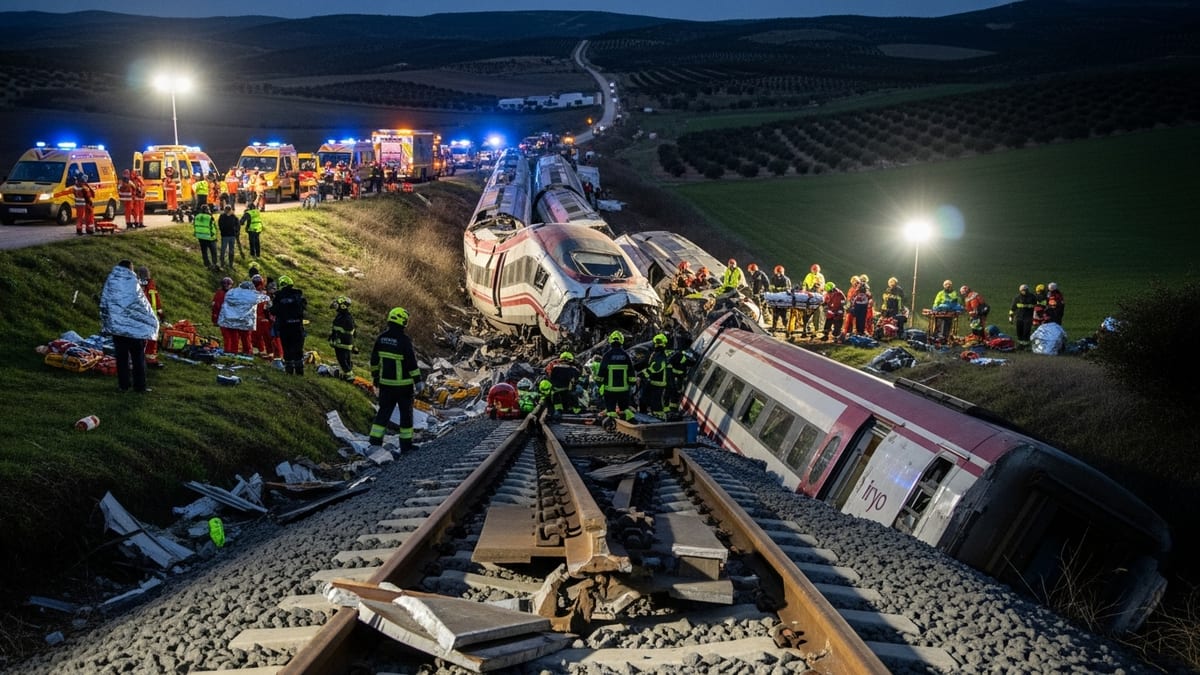
Fire Contained Quickly on Busy Freight Corridor
Reports indicate the fire involved a single CSX freight car in the Pittsfield area, a regional hub where mixed freight and passenger services share key rail corridors. The incident was described in early updates as a localized car fire rather than a full-train emergency, allowing responders to concentrate efforts on one section of the consist.
Publicly available information shows that the blaze was contained at the scene, with crews working around the affected car to cool hot spots and ensure the remaining portion of the train remained secure. Rail operators temporarily halted movements through the immediate area while the response unfolded.
Initial coverage from regional outlets suggests that the fire did not spread to other rail cars or nearby structures. Visuals shared after the incident show discolored siding and smoke damage on the affected car, but no widespread track damage or large debris field of the kind associated with a derailment.
The incident adds to a recent series of rail-related disruptions across the United States that have drawn heightened public attention to freight operations, even when an event is quickly stabilized and does not result in injuries.
No Reported Injuries or Hazardous Leaks
According to published coverage, there were no reported injuries among train crew members, emergency personnel or nearby residents. Early incident summaries emphasize that the fire was confined to the rail car itself and did not trigger any mass-casualty or medical surge response at local hospitals.
Information available as of publication indicates that the car involved was not carrying a highly volatile hazardous cargo that would typically prompt broad shelter-in-place instructions or extended evacuations. While standard precautions were taken during firefighting efforts, reports do not describe any large-scale protective action for surrounding neighborhoods.
For residents and travelers in the Pittsfield area, the absence of injuries and hazardous leaks is a significant factor in how the event is being perceived. In recent years, several high-profile derailments and rail fires elsewhere have involved chemical releases and large evacuation zones, amplifying concern whenever an incident involves tank cars or mixed freight consists.
In this case, publicly available information suggests that environmental monitoring around the scene did not identify significant off-site impacts. That helped pave the way for reopening nearby roads and rail lines once inspections were completed.
Rail Operations and Travel Disruptions
CSX operates a busy freight network through the broader region, carrying everything from consumer goods and industrial products to bulk commodities. When an incident affects even a single car, it can trigger ripple effects along the line as other trains are held or rerouted.
Reports from the scene indicate that rail traffic near Pittsfield was paused while firefighting and safety checks took place. Some freight movements were delayed as inspectors assessed the affected car, the surrounding consist and the track structure to verify there was no heat damage that could compromise subsequent operations.
Passenger and commuter rail services that share or cross freight corridors can also experience knock-on delays in such situations. While no extended outage was reported in connection with the Pittsfield fire, travelers using regional rail connections and nearby road crossings may have encountered slower journeys and brief detours while the response and cleanup were underway.
For logistics planners and shippers, even short disruptions can require schedule adjustments, temporary storage solutions or alternative routings. Incidents of this kind highlight the importance of built-in flexibility and contingency planning along key freight corridors.
Safety Context and Recent Rail Incidents
The Pittsfield incident comes against a backdrop of heightened public interest in rail safety after a sequence of derailments and fires elsewhere in North America. In several recent cases involving freight trains carrying hazardous materials, communities have faced evacuations, extended cleanup operations and infrastructure repairs.
Federal safety data and industry summaries nonetheless indicate that serious train accidents remain relatively rare compared with the total number of freight movements each year. Many incidents that draw local attention, such as localized rail car fires without injuries, are resolved without long-term environmental or health impacts.
Published reports on the Pittsfield fire note that it did not involve a large derailment, widespread track damage or mass evacuation order. That distinguishes it from higher-consequence events that have prompted national conversations about tank car standards, train length, track maintenance and crew workloads.
Even so, rail safety advocates often point to low-injury or no-injury cases as opportunities to examine how quickly incidents are detected, how communication flows to nearby communities and travelers, and how resilient local transportation networks are when routine freight operations are interrupted.
What Travelers Should Know Around Pittsfield
For motorists and travelers passing through the Pittsfield area, the episode serves as a reminder that rail activity can influence local traffic and trip planning, even when an incident remains contained. Short-term closures at grade crossings, increased emergency vehicle traffic and temporary slow orders on nearby roads can affect driving times.
Travelers relying on regional passenger rail connections may also see occasional schedule changes when freight incidents occur on shared infrastructure. While no long-term disruption has been linked to this particular fire, riders are often advised in published guidance to check for service updates when news emerges of rail issues along their planned route.
Local accommodations, visitor attractions and business districts near rail lines can experience brief fluctuations in access during an emergency response. Publicly available information after the Pittsfield incident does not indicate any prolonged closures of hotels, restaurants or visitor sites, but such facilities may adjust operating hours or loading and delivery schedules when rail operations pause.
For visitors planning itineraries that cross key freight corridors, the Pittsfield car fire underscores the value of allowing extra time in schedules, staying alert to local advisories and remaining flexible when unexpected rail-related delays arise.