


More news on this day
Airbus is signaling confidence in long-term air travel demand, reporting no meaningful signs of jet order cancellations or deferrals even as airlines face mounting pressure from fuel costs, interest rates and weaker profitability across several markets.
Get the latest news straight to your inbox!
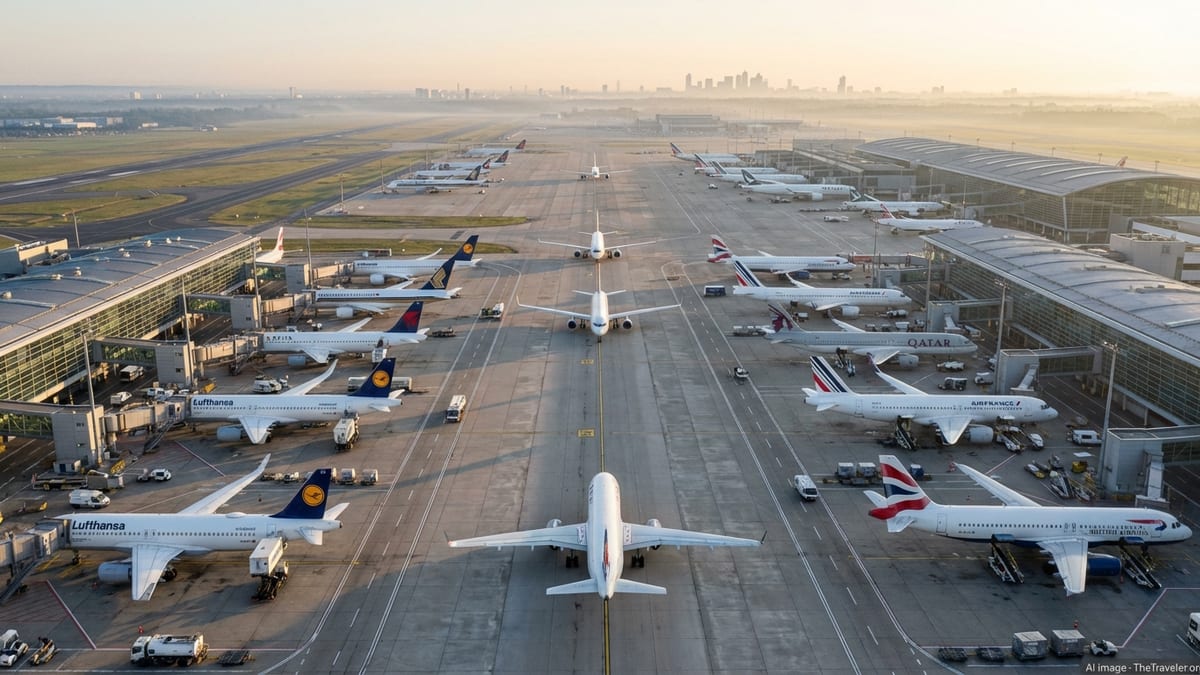
Airlines Under Strain as Fuel and Financing Costs Rise
Publicly available financial results and industry surveys for 2025 and early 2026 point to a more challenging environment for many airlines. Higher fuel prices, elevated interest rates and wage inflation have combined with intense fare competition on some routes, leaving margins thinner and several regional carriers in distress. Market commentary in recent weeks has highlighted bankruptcies and restructurings among smaller operators, particularly where exposure to long-haul fuel costs and currency swings is acute.
Reports indicate that these pressures are feeding through into network and fleet decisions. Some airlines are trimming capacity, extending leases on older aircraft rather than accelerating fleet renewal, and pushing back the introduction of marginal routes. Investors have responded by marking down shares in both airlines and manufacturers, reflecting concern that a weaker carrier sector could eventually translate into lower aircraft demand or a slower pace of deliveries.
Despite this, the fundamental driver of long-term aircraft demand, global passenger traffic growth, has not reversed. Data from industry bodies and consulting analyses continue to show air travel volumes above pre-pandemic levels on many corridors, particularly in Asia and the Middle East, providing a structural backdrop that supports existing aircraft order plans even as near-term profitability comes under strain.
In this environment, the key question for manufacturers is whether short-term airline stress will start to show up as cancellations, deferrals or renegotiations in their order books. Airbus’s latest statements suggest that, for now, that inflection point has not arrived.
Record Airbus Backlog Anchors Confidence
Recent Airbus shareholder communications and financial disclosures show the European manufacturer entering 2026 with a record commercial backlog. Company data for year-end 2025 indicates total orders of around 1,000 gross commercial aircraft for that year and a net order figure just under 900 units, leaving an overall backlog of more than 8,700 jets across the product line.
This backlog, spread across flagship single-aisle families such as the A320neo and newer widebodies including the A350, represents many years of production at current output rates. In some popular models, published order and delivery tables suggest that slots are effectively sold out well into the next decade. That level of visibility is seen by analysts as a powerful buffer against cyclical swings in airline fortunes.
Reports from industry outlets note that Airbus executives have repeatedly pointed to this backlog as evidence of resilience. Even with some carriers experiencing financial stress, the sheer breadth of the customer base, including large network airlines, low-cost operators and lessors, dilutes the impact of any single airline’s difficulties. Aircraft leasing companies, which have been active in placing large orders, provide additional flexibility by moving aircraft between operators as demand shifts.
The backlog strength is one reason Airbus can maintain relatively steady production and delivery plans in the face of airline volatility. While the company has trimmed some near-term delivery ambitions due to supply chain and engine availability issues, guidance for overall aircraft output through the decade still assumes robust demand.
Delivery Challenges Contrast With Solid Demand
Where Airbus is under more immediate pressure is on the industrial side. Publicly available earnings releases and market analysis describe a pattern of ambitious delivery targets meeting a complex supply chain, particularly around engines and aerostructures. Earlier this year the manufacturer set a 2026 delivery target that was below many market expectations, citing constraints that limit how quickly it can turn its backlog into revenue.
Specialist aviation publications have reported a slow start to 2026 deliveries compared with previous years, continuing a theme from 2025 when late adjustments to production plans and component shortages forced Airbus to revise its output goals. Suppliers in areas such as engine manufacturing and fuselage production are still normalizing after years of disruption, which has created bottlenecks even as demand for finished aircraft remains elevated.
This divergence between strong orders and constrained deliveries has had financial consequences. Market coverage indicates that Airbus shares have come under pressure in recent months, not because customers are walking away but because investors are recalibrating expectations for how quickly the company can convert its record backlog into cash flow. Lower-than-hoped delivery guidance for 2026 has been a particular focus.
For airlines, delivery delays can be nearly as disruptive as weaker demand. Carriers counting on new aircraft to expand capacity or replace older jets often have to extend leases, adjust route plans or hold onto less efficient models longer than planned when manufacturer schedules slip. Nonetheless, these operational headaches have not so far translated into a broad wave of order cancellations in Airbus’s public data.
Why Orders Are Holding Up Despite Airline Headwinds
The apparent disconnect between airline pressure and stable Airbus orders reflects several structural forces in the aviation market. Long lead times for new aircraft mean that orders placed now are often for delivery many years ahead, when conditions may be very different. Airlines and lessors typically plan fleet renewal and growth over multi-decade horizons, smoothing out the impact of short-term downturns.
Another factor is the drive for fuel efficiency and emissions reduction. Newer aircraft families such as the A320neo, A220 and A350 offer substantial efficiency gains compared with older jets, reducing fuel burn and operating costs. Public policy pressures and internal sustainability targets are pushing airlines to accelerate the retirement of older, more polluting models. For many carriers, canceling or deferring next-generation aircraft would run counter to these strategic objectives, even when finances are tight.
Competition between Airbus and Boeing, along with emerging pressure from Chinese manufacturers, also plays a role. With orderbooks at the two Western giants heavily subscribed, airlines that step back from their place in the queue may struggle to secure comparable delivery slots later in the decade. Published commentary from airline executives and lessors has often emphasized the value of “locking in” capacity in a constrained supply environment.
Finally, the role of aircraft leasing has increased resilience in the order pipeline. Large lessors can absorb aircraft earmarked for struggling airlines and place them with stronger operators, acting as a financial shock absorber in the system. As a result, the underlying demand for a particular aircraft type can stay robust even if the original customer base shifts over time.
Medium-Term Outlook for Airbus and Global Fleets
Looking ahead, publicly available forecasts from consultancies and industry bodies still envisage steady growth in global fleets through the 2030s, underpinned by rising middle-class travel in Asia, the Middle East and parts of Africa. Urbanization, tourism growth and trade-related traffic are expected to continue driving passenger numbers higher, even if certain mature markets see more modest expansion.
For Airbus, the combination of a record backlog and constrained industrial capacity suggests an environment in which the main challenge is execution rather than demand. If suppliers can resolve bottlenecks and production rates climb as planned, the manufacturer stands to benefit from years of elevated deliveries supported by contracts already in place.
Airlines, however, will likely continue to operate in a delicate balancing act between cost pressures and the need to invest in newer aircraft. Higher fuel prices, volatile interest rates and environmental regulation are forcing difficult choices about network strategies and fleet mix. The fact that Airbus is not yet seeing broad order weakness indicates that, for many carriers, the long-term case for modern, efficient aircraft still outweighs the short-term pain.
With the next major air shows and industry gatherings approaching, attention is expected to focus on whether Airbus can add to its backlog with high-profile deals while demonstrating progress on deliveries. For now, the message from its order book is that the airline sector’s structural demand for new jets remains firmly intact, even as the turbulence of the current operating environment continues.