


More news on this day
Airbus reports no sign of jet order cancellations despite mounting fuel cost pressures and geopolitical disruptions, underscoring resilient long-term demand from airlines reshaping fleets for growth and efficiency.
Get the latest news straight to your inbox!
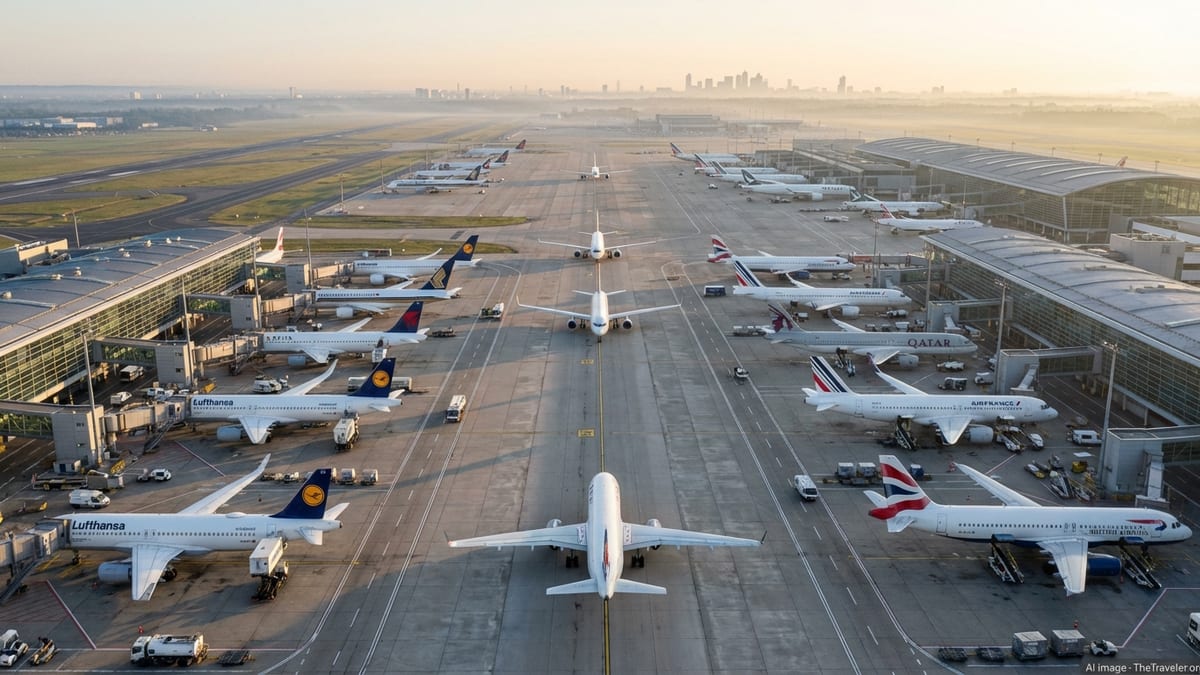
Fuel Shock Fails to Dent Airbus Backlog
Publicly available information from Berlin-based industry events on June 9 indicates that Airbus leadership sees no meaningful move by airlines to cancel or defer existing aircraft orders, even as jet fuel prices surge. The comments, widely cited by financial and aviation media, suggest that carriers are choosing to absorb near-term cost pain rather than give up scarce delivery slots in an already constrained aircraft market.
The latest remarks come at a time when airlines in Europe, the Middle East and Asia are grappling with higher operating costs linked to the conflict involving the United States, Israel and Iran, which has disrupted refining output and key flight corridors. Detours around sensitive airspace are lengthening routes and raising fuel burn, adding another layer of pressure on carriers’ balance sheets.
Yet these challenges have not translated into a visible wave of cancellations at Airbus. Reports indicate that the manufacturer is holding a multi‑year backlog stretching well into the next decade, giving airlines a powerful incentive to retain delivery positions as travel demand continues to recover and expand in many regions.
For the wider aviation and travel ecosystem, the signal is that airlines are still planning for growth in capacity and connectivity, even as they adjust schedules, fares and fuel hedging strategies to cope with a volatile operating environment.
Airlines Balance Short-Term Costs With Long-Term Growth
Industry coverage shows that many carriers see the current fuel squeeze as a cyclical challenge rather than a structural threat to air travel. After what some executives have described in recent forums as “years of turmoil,” including the pandemic, supply chain disruptions and shifting demand patterns, airlines appear reluctant to scale back long‑planned fleet renewal programs.
Modern aircraft such as the Airbus A320neo family and A350 are significantly more fuel efficient than many of the models they replace. For airlines wrestling with elevated fuel prices, accelerating the transition to these newer types can provide a critical hedge against future cost spikes. Retaining existing orders therefore becomes a strategic play to reduce unit costs over the long term.
Travel demand dynamics also support that stance. International tourism and business travel flows have largely recovered to, or in some markets surpassed, pre‑crisis levels, according to data shared by industry bodies and recent financial updates from major carriers. High‑load factors and yield improvements give airlines additional motivation to keep capacity expansion on track, even if near‑term margins are squeezed by fuel.
For travelers, the combination of robust demand and constrained aircraft supply suggests that fares may stay elevated on many routes, particularly long‑haul and fuel‑intensive sectors. However, the continued commitment to new, more efficient aircraft should gradually improve reliability and environmental performance across global networks.
Supply Chain, Engines and the Production Ramp-Up
While orders remain solid, Airbus still faces operational challenges in turning its backlog into delivered jets. Reports from financial news outlets highlight that the company is in what its leadership describes as a better, though not fully normalized, supply chain position compared with the most difficult years of recent disruption.
Engine availability remains a key bottleneck. Coverage referencing Airbus comments points to ongoing frustration with engine suppliers, particularly around the timing and volume of deliveries needed to support planned production rates. These issues affect narrow‑body programs most acutely, where demand from airlines is strongest and where fuel‑efficient models are central to fleet strategies.
Airbus has previously set ambitions to reach a monthly production rate equivalent to 75 single‑aisle aircraft in 2027, contingent on the performance of its supply chain partners. Recent statements suggest that this target still depends heavily on engine delivery schedules and the resolution of technical and maintenance issues affecting certain powerplants in service.
Any slippage in production targets could extend delivery timelines for airlines, reinforcing their reluctance to cancel or significantly alter orders. For network planners at major carriers, the risk of falling further back in the delivery queue can outweigh the temptation to trim commitments during temporary periods of cost pressure.
Geopolitics, Fuel Markets and Route Networks
The current fuel price surge is closely tied to geopolitical tensions that have tightened global energy markets and disrupted traditional air corridors. Public reporting on the conflict involving the United States, Israel and Iran notes that restrictions and risk considerations are pushing airlines to avoid certain airspace, particularly over parts of the Middle East.
These detours can add hundreds of nautical miles to specific long‑haul routes, raising fuel consumption and flight times. For travelers, that can mean less direct routings, higher fares and, in some cases, schedule adjustments as airlines rebalance networks to contain costs.
Despite these challenges, the lack of widespread cancellations at Airbus indicates that airlines are treating the situation as a high‑impact but ultimately transient shock. Network strategies are being adjusted through selective capacity cuts, seasonal tweaks and dynamic pricing, rather than through dismantling long‑term fleet plans built around new-generation aircraft.
For tourism destinations, especially those heavily reliant on long‑haul air access, the continued commitment to future capacity is significant. It suggests that, once fuel markets stabilize and routes normalize, there will be ample aircraft on order to support growth in visitor numbers and new city‑pair connections.
Implications for Boeing and the Global Fleet Race
Airbus’s confidence on orders comes as the broader duopoly with Boeing remains under close market scrutiny. Publicly available data from recent years show Airbus leading in both deliveries and net orders, while Boeing has been navigating its own mix of production, certification and reputational challenges.
The fact that airlines are holding firm on Airbus commitments while facing intense cost pressures may reinforce perceptions of the European manufacturer as a relatively stable pillar in their long‑term fleet strategies. At the same time, industry analysts point out that many carriers seek balanced fleets from both major manufacturers to diversify operational and political risk.
For travel planners and airport authorities, the sustained order books at both Airbus and Boeing translate into a pipeline of new aircraft that will shape global connectivity for decades. Larger, quieter and more fuel-efficient jets are central to meeting environmental targets and community noise restrictions that increasingly influence route approvals and airport expansion plans.
As fuel and geopolitical shocks ripple through the industry, the key question for the coming years will be whether manufacturers can execute their ambitious production ramps without major setbacks. For now, Airbus’s message that it sees no sign of jet order cancellations signals that airlines are betting on long-term growth in global mobility, even as the costs of keeping those jets in the air continue to climb.