


More news on this day
Airbus is reporting no meaningful wave of jet order cancellations despite mounting fuel cost pressures and operational challenges across the airline industry, underscoring the resilience of long term demand for new aircraft.
Get the latest news straight to your inbox!
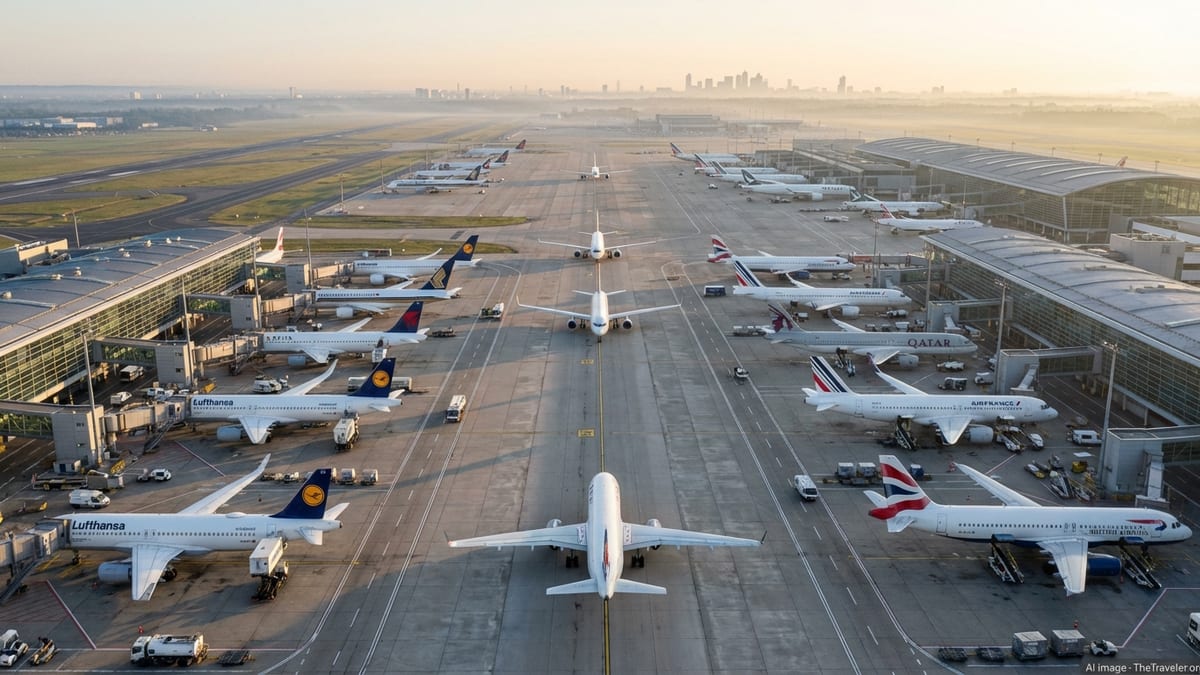
Fuel costs rise, but airlines stick with fleet renewal plans
According to recent coverage of comments by Airbus chief executive Guillaume Faury at an industry gathering on June 9, 2026, higher fuel prices have not yet translated into a visible pullback in demand for new jets. Public reports indicate that airlines have endured several difficult years of volatile costs and travel disruptions, yet are maintaining their order books for next generation, more efficient aircraft.
Fuel has returned as one of the most significant variables in airline balance sheets, with geopolitical tensions and supply constraints pushing prices higher in parts of Europe, the Middle East and Asia. Industry discussions highlight concerns about localised jet fuel shortages and the knock on effects for flight schedules, particularly on long haul routes. However, these short and medium term pressures appear to be reinforcing, rather than undermining, the case for renewing fleets with fuel saving models.
Carriers are increasingly focused on unit cost and emissions performance, steering investment toward single aisle and widebody aircraft that promise double digit percentage gains in fuel efficiency compared with older types. For many airlines, cancelling aircraft now on order would risk locking in higher fuel burn and operating costs for another decade, a trade off that appears difficult to justify even as near term fuel bills rise.
Industry observers note that this pattern fits previous cycles in which airlines delayed deliveries in periods of acute stress but rarely abandoned long term fleet strategies outright. In the current environment, reports suggest that deferrals and schedule fine tuning are more common than outright cancellation of Airbus jets.
Record backlogs give Airbus a cushion against volatility
Airbus enters this latest fuel price squeeze with one of the largest order books in its history, providing a substantial buffer against short term swings in sentiment. Company disclosures for 2025 and early 2026 point to a backlog of well over 8,700 commercial aircraft, with a particularly strong portfolio of single aisle A320neo family jets and a record widebody backlog.
This deep pipeline reflects several years of strong ordering from carriers in Europe, North America, Asia and the Middle East as traffic recovered from the pandemic and airlines raced to secure scarce delivery slots. Analysts describe the orderbook as spanning close to a decade of future production, even at the higher output rates Airbus is targeting in the second half of the decade.
Such a backlog means that any isolated cancellation today is more likely to be backfilled by another customer rather than translate into idle capacity on the final assembly lines. For travel markets, this dynamic indicates that the global fleet of Airbus aircraft is likely to continue expanding, even if a subset of airlines choose to slow their growth.
For destinations that depend heavily on air connectivity, from European city hubs to island tourism economies, this underlying growth trajectory is a critical signal. It suggests that, despite cost pressures, airlines and manufacturers still expect long term demand for air travel to rise, and are planning fleets accordingly.
Supply chain and engine issues, not demand, remain the bottleneck
While demand for Airbus jets continues to look robust, the ability to turn orders into deliveries remains constrained by supply chain and engine availability issues. Publicly available reporting from recent months highlights persistent shortages of Pratt & Whitney geared turbofan engines for the A320neo family, as well as capacity limits in maintenance and overhaul shops.
Airlines and engine makers have used recent industry forums to acknowledge that hundreds of aircraft worldwide are grounded or operating below planned utilisation while engines undergo extended inspections and repairs. For Airbus, this has already led to downward revisions of near term delivery targets for certain models, notably the A220 and some A320neo variants.
In response, coverage indicates that Airbus has launched additional cost containment and efficiency programmes, seeking around 10 percent cuts in certain overheads as it works with suppliers to stabilise production. The company continues to emphasise that these measures are geared toward managing a complex operating environment rather than addressing any shortfall in customer appetite for its jets.
For airlines, the outcome is a paradox: they are eager to receive new, fuel efficient aircraft that could help mitigate fuel price volatility, but are instead forced to stretch the life of older jets or trim capacity while waiting for engines and parts. This mismatch between strong demand and constrained supply is likely to be a defining feature of the commercial aviation landscape over the next few summer travel seasons.
What sustained aircraft demand means for travelers
For travelers following the latest airline and manufacturer developments, the message from Airbus’s leadership and recent industry coverage is that demand for flying remains structurally strong, even in the face of higher fuel prices. Airlines expect passenger volumes to grow, particularly on leisure and visiting friends and relatives routes, and are planning their fleets with that outlook in mind.
In the short term, however, passengers may continue to experience capacity constraints, tight seat availability and elevated fares on some routes. With aircraft deliveries capped by supply chain issues and some jets temporarily unavailable due to engine maintenance, airlines have limited flexibility to add capacity quickly when demand spikes, such as during peak holiday seasons and major events.
In the medium term, as new Airbus aircraft join fleets in greater numbers, travelers could see more route options and potentially more competitive pricing, particularly where fuel efficient jets allow airlines to open thinner long haul markets or add frequencies. Newer aircraft types also tend to bring quieter cabins, modern interiors and lower emissions per passenger, aligning with both passenger comfort expectations and environmental targets.
For tourism boards and destination marketers, the persistence of strong Airbus order books serves as a signal to continue investing in infrastructure, hospitality capacity and marketing campaigns built around long term growth in air connectivity. Even with fuel prices in flux, the global travel industry is still betting on more flights and more seats over the coming decade.
Outlook: balancing cost pressures with sustainability goals
Looking ahead, Airbus’s confidence in its order pipeline intersects with a broader industry shift toward sustainability. Airlines are under increasing regulatory and social pressure to reduce emissions, and modern jets are a core part of their decarbonisation playbook. Rising fuel costs only intensify the economic case for aircraft that burn less fuel and can operate effectively on higher blends of sustainable aviation fuel.
Airbus has positioned its current product line, including the A220, A320neo family and A350, as stepping stones toward a lower carbon future, with incremental efficiency gains that can be delivered at scale this decade. Reports on the company’s long term strategy also point to continued investment in alternative propulsion concepts, including hydrogen, even as near term work focuses on production stability.
For airlines, the challenge will be to finance this fleet renewal while absorbing volatile fuel bills and, in some markets, new climate related taxes or charges. Many have sought to hedge fuel exposure or pass increased costs through to ticket prices, but competitive pressure from low cost rivals and consumer sensitivity to fare hikes can limit that flexibility.
Against this backdrop, the absence of a broad cancellation trend from Airbus’s orderbook suggests that industry leaders still view advanced aircraft as essential assets rather than optional upgrades. For the global travel ecosystem, from airports and ground handlers to hotels and tour operators, that stance is a powerful indicator that aviation’s growth story remains intact, even as it navigates another period of heightened fuel uncertainty.