


More news on this day
United Airlines has become the latest major carrier to lean on higher fees and tight cost control as a spike in jet fuel prices linked to the US–Iran–Israel war deepens financial and labor pressures across the global aviation industry.
Get the latest news straight to your inbox!
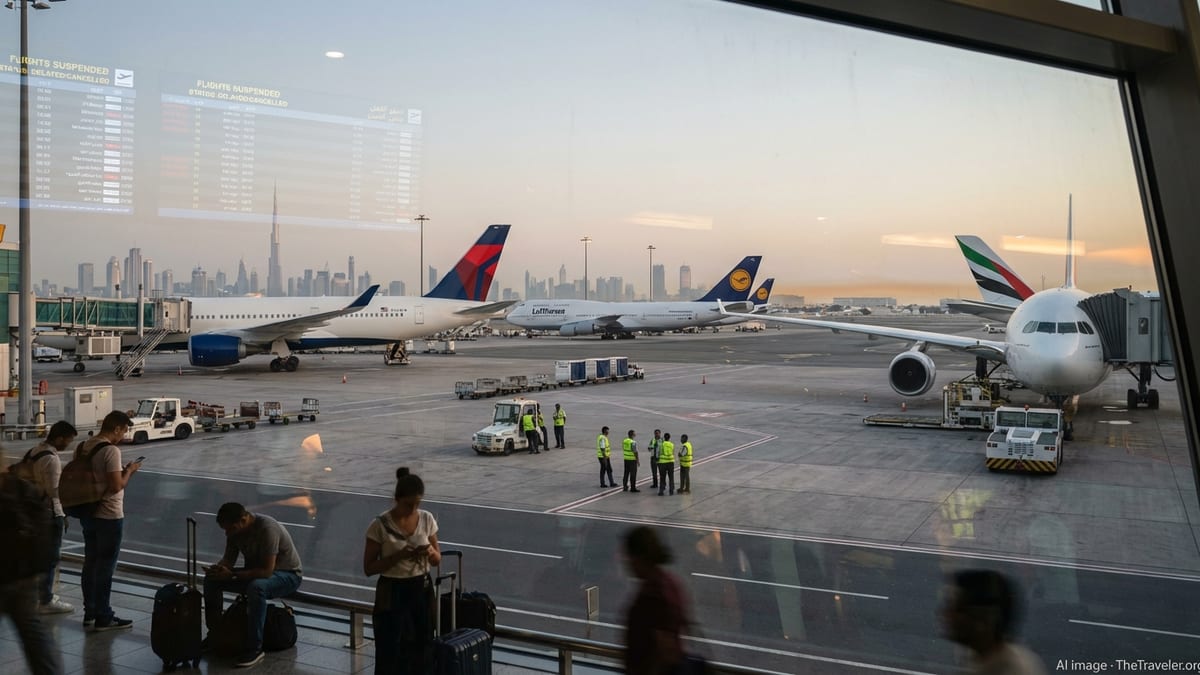
Fuel Shock Ripples Through US Carriers
United Airlines has joined a growing list of US carriers responding to sharply higher operating costs with new charges and tighter budgets. Publicly available information shows that United recently increased checked baggage fees, following similar moves at rivals as jet fuel prices nearly doubled in North America within weeks of the Iran conflict intensifying. Industry data cited by trade groups and financial publications indicate that average US jet fuel prices have jumped from around 2.50 dollars a gallon before the war to well above 4.50 dollars in early April, squeezing margins even during a busy spring travel period.
Reports on airline results suggest that fuel now sits close to or above 40 percent of many carriers’ operating expenses, forcing executives to revisit 2026 profit forecasts that only months ago looked robust. Analysts note that while US airlines have limited direct exposure to Middle East routes, they are highly exposed to global energy markets, which have been disrupted by attacks on Iranian oil infrastructure and shipping tensions around the Strait of Hormuz. That has left US companies scrambling to rebalance capacity, adjust schedules and pass some of the additional cost on to passengers through higher fares and fees.
Market coverage of Wall Street trading shows that airline stocks briefly rallied after news of a short ceasefire between the United States and Iran raised hopes that fuel prices might cool later in the year. Yet commentary from airline management and sector analysts remains cautious, pointing out that even if crude prices stabilize, jet fuel supply may stay tight for months because of refinery bottlenecks and ongoing shipping risks in the Gulf.
European and Gulf Giants Cut Capacity and Add Surcharges
The same war-driven fuel shock is reverberating through European and Gulf hubs, where long-haul carriers are especially sensitive to energy costs. Coverage of Lufthansa’s recent commercial updates indicates that the German group has been trimming capacity growth plans for 2026 and reviewing marginal routes after jet fuel benchmarks in Europe surged alongside global prices. The carrier has already faced a series of strikes and wage disputes over the past year, and rising inflation linked to the Iran conflict is hardening union demands for compensation, further complicating its cost base.
Gulf airlines that rely heavily on connecting traffic across Asia, Europe and Africa are also under pressure. Emirates and Qatar Airways have announced higher fuel surcharges on tickets in recent weeks, according to regional aviation reports, citing a steep rise in aviation turbine fuel following supply disruptions out of Iran and the Gulf. Analysts note that these airlines are additionally affected by extended detours to avoid airspace near conflict zones, which increases flight times and fuel burn and reduces the number of aircraft hours available for profitable rotations.
Financial commentary from the Middle East and Europe highlights that some carriers are grounding older, less efficient widebody aircraft earlier than planned, while prioritizing newer models with lower fuel consumption. However, the pace of these fleet changes is constrained by aircraft delivery backlogs and maintenance capacity, limiting how quickly airlines can offset the jump in fuel prices.
Rising Labor Tension From North America to India
As costs spike, airlines are also contending with renewed labor tension. In North America, unions representing pilots, flight attendants and ground staff at multiple carriers, including United, have sharpened their focus on real wage growth as inflation picks up again amid the Iran war. Public filings and union statements show that several contracts signed in the post‑pandemic recovery phase are being reexamined as workers argue that earlier pay gains are being eroded by higher living costs.
In Europe, Lufthansa continues to grapple with demands for substantial wage increases and better rostering protections after a string of walkouts over the past year disrupted tens of thousands of passengers. Higher fuel bills have left less room for concessions, strengthening the risk of further strikes if negotiations stall. Aviation analysts warn that the combination of rising energy costs and more frequent labor unrest could push some European carriers to accelerate consolidation or alliances.
In India, IndiGo, the country’s largest airline by market share, faces its own version of this squeeze. Local business coverage describes cabin crew and junior staff frustrated by intense schedules, rapid capacity growth and pay that has not kept pace with a spike in domestic fuel prices and general inflation. At the same time, IndiGo is under competitive pressure to keep fares affordable for India’s price‑sensitive market, limiting its ability to fully pass on higher fuel costs through ticket prices.
Route Rethinks and Operational Adjustments Worldwide
Beyond headline fare and fee increases, airlines are quietly overhauling networks and operations in response to the conflict’s fuel shock. Publicly available scheduling data and route announcements show carriers across regions suspending or reducing frequencies on energy‑intensive ultra‑long‑haul routes, particularly those that would require lengthy detours around Iranian airspace and the Strait of Hormuz. Some Asian and European airlines have reoriented connecting flows through alternative hubs to minimize time over or near conflict areas.
Industry briefings suggest that airlines are prioritizing aircraft and crew on routes with the strongest demand and highest yields, while cutting back shoulder‑season flying and marginal leisure destinations. As a result, travelers in certain secondary cities are seeing fewer direct options and more connections, even as ticket prices climb. Cargo operations are also being reshaped, with some widebody aircraft shifted from passenger services into freight‑heavy routes where elevated air cargo rates can better absorb fuel costs.
Operational efficiency drives are accelerating, from more aggressive fuel‑saving procedures on the flight deck to faster retirement of older aircraft. Yet aviation safety regulators and pilot groups are monitoring these changes closely to ensure that fuel‑saving measures do not undermine safety margins or crew rest standards. Any missteps could inflame existing labor disputes and erode passenger confidence at a fragile moment for the industry.
Uncertain Outlook Despite Hopes for Ceasefire Relief
The near‑term outlook for airlines remains highly uncertain, even after reports of a temporary ceasefire between the United States, Israel and Iran. Economic research from major banks and consultancies points out that while crude prices may ease from early‑March peaks, the damage to infrastructure and the prolonged disruption in the Strait of Hormuz are likely to keep jet fuel markets tight for some time. Storage levels will need months to rebuild, and insurers remain wary of fully restoring coverage for tankers in the region.
For airlines, this means continued pressure to balance cost control with the risk of alienating customers through higher fares and additional fees. United, Lufthansa, IndiGo, Emirates, Qatar Airways and FlySafair are among the carriers now emblematic of a broader global challenge: how to fund higher wages, retain staff and invest in more efficient fleets while fuel bills climb and geopolitical risks rise. Their responses over the coming months, from labor negotiations to network reshaping, are likely to set the tone for the wider industry’s recovery trajectory through the rest of 2026.