


More news on this day
UK holidaymakers heading home from European breaks are being urged to arrive at airports at least three hours before departure, as a leading airline executive warns that new biometric border checks and peak‑season crowds are combining to create longer queues at departure gates.
Get the latest news straight to your inbox!
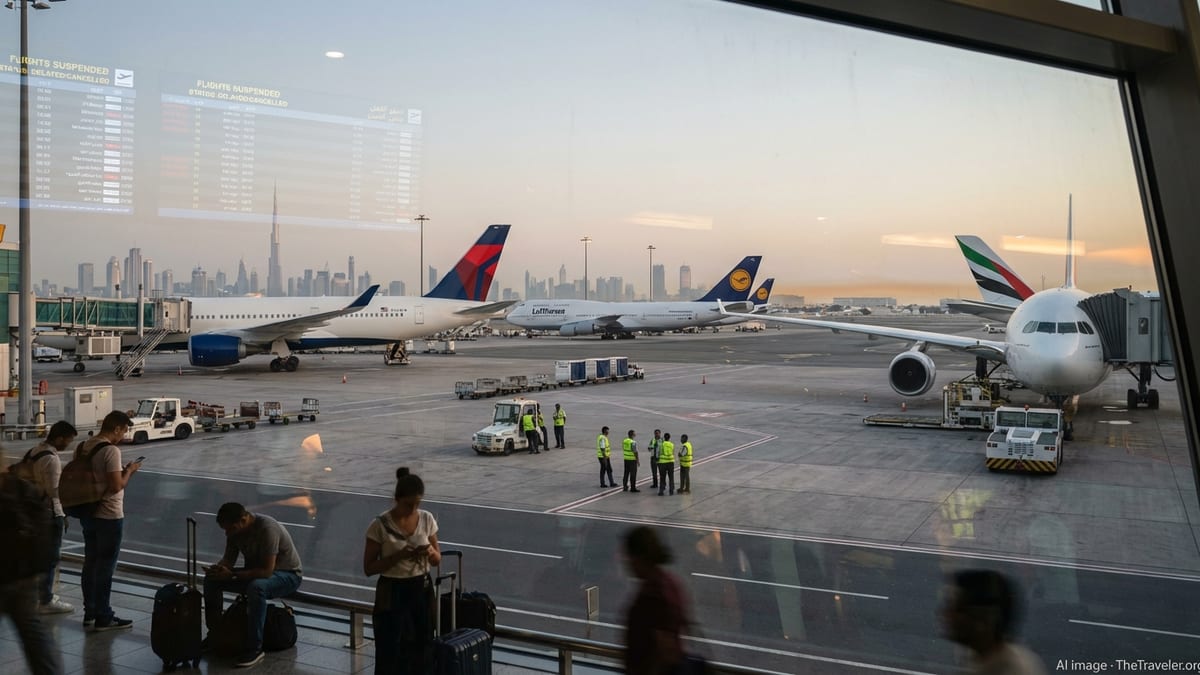
Airline boss warns of longer outbound queues from EU airports
Reports from recent busy travel weekends indicate that queues at some European airports serving British holidaymakers have stretched well beyond pre-pandemic norms, particularly at passport control and security. The head of a major low-cost carrier operating routes between the UK and Mediterranean destinations has publicly advised customers to build in a three-hour buffer before their homebound flights to avoid missing departures.
The warning is focused on return legs from popular hotspots such as Spain, Portugal, Greece and Italy, where a high concentration of UK-bound flights leaves limited flexibility if passengers are delayed at border checks. With many leisure routes operating only once a day, travellers who miss a departure can face the prospect of buying new tickets at peak fares or paying for additional hotel nights.
Airline guidance typically distinguishes between short-haul and long-haul flights, with three hours commonly suggested for long-haul and two hours for short-haul. The latest advice goes further for UK-bound holidaymakers returning from the European Union, where border procedures for British nationals have evolved since the UK left the bloc.
The executive’s message reflects growing concern across the industry that summer peaks, school holidays and weekend surges will test airport capacity at check-in, bag drop and security, especially at resort airports where facilities are already stretched.
EU Entry/Exit System adds new checks for UK passport holders
A key factor behind the call to arrive earlier is the European Union’s new Entry/Exit System, known as EES, which is being phased in across the Schengen area. Publicly available information on the scheme shows that non-EU nationals, including UK citizens, are required to register biometric data such as fingerprints and facial images the first time they cross an external Schengen border once the system is live.
Industry briefings note that this registration process takes longer than a traditional passport stamp, particularly when large numbers of passengers reach border booths at the same time. Early trials and limited rollouts have already generated reports of bottlenecks at land crossings and airports, leading airlines to reassess how much time passengers should allow before departure.
While EU authorities maintain that EES will eventually speed up border processing for repeat travellers, aviation stakeholders are bracing for an initial bedding-in period where unfamiliar procedures and technical glitches could add minutes to each transaction. Multiplied across a full aircraft of UK holidaymakers, even small delays at automated kiosks or manned booths can push queues back into departure halls.
The three-hour recommendation is therefore being framed as a pragmatic response to an evolving regulatory environment rather than a permanent change in standard airport practice. However, with millions of British leisure travellers expected to head to European beaches over the coming months, any early congestion could quickly become a high-profile issue.
What three hours really means for UK holidaymakers
Travel advisers emphasise that “arrive three hours before departure” should be interpreted as reaching the airport terminal door, not joining the queue at check-in at that time. Factoring in transfer times from resorts, unpredictable road traffic and the walk from drop-off points to departure halls, many passengers may need to leave hotels considerably earlier than in previous years.
Families travelling with hold luggage, prams or sports equipment are being encouraged to allow extra time for bag drop, where queues can build rapidly if an earlier flight experiences disruption. Self-service bag-tagging machines can speed up the process, but passengers unfamiliar with the technology may still require assistance, particularly where multiple languages and complex itineraries are involved.
Once bags are checked in, security and passport control are emerging as the main pinch points. Guidance commonly suggests that security screening for hand baggage, liquids and electronics can vary significantly by airport and time of day, with early mornings and late evenings often the busiest periods for leisure flights. Any additional checks at exit border control for UK nationals departing the Schengen area add further unpredictability.
For travellers who routinely relied on online check-in and hand luggage only, the move toward a three-hour arrival window may feel conservative. Yet recent accounts from passengers who arrived two hours before departure and still struggled to reach the gate in time underline how quickly problems can escalate when several flights depart in short succession from neighbouring gates.
Airlines seek to avoid repeat of pandemic-era chaos
The latest call for earlier arrivals is also viewed within the industry as an attempt to avert a repeat of the disruption seen as travel resumed after pandemic restrictions. In those years, a combination of staff shortages, sudden surges in demand and changing health rules led to long queues, missed flights and complaints at several UK and European hubs.
Aviation analysts note that carriers are now keen to shift part of the risk back to passengers, making clear that customers who ignore published check-in and arrival advice may struggle to obtain compensation if they miss flights solely because they underestimated airport queues. Standard conditions of carriage typically state that travellers are responsible for presenting themselves at check-in and at the gate in good time.
Airports themselves have an interest in smoothing passenger flows throughout the day, as overcrowded security lanes and departure lounges can strain facilities and staff. Longer recommended arrival windows can help distribute traffic more evenly, but they may also mean that passengers spend more time airside, where duty-free shops, bars and restaurants compete for their attention.
Some observers argue that this dynamic creates a commercial incentive for airports and airlines to maintain generous arrival recommendations. Others point out that operational realities, especially around border control and security staffing, leave little room for error on peak days, making conservative estimates the safer option.
Balancing peace of mind with practical planning
For UK holidaymakers weighing up how early to leave their hotels, the choice often comes down to peace of mind versus time lost at the airport. Travel commentators suggest that those with checked bags, young children or tight onward connections should follow the three-hour guidance, particularly when flying from busy Mediterranean airports at peak times.
Passengers with only cabin baggage, travelling in quieter shoulder seasons or from smaller regional airports, may judge that a slightly shorter window is sufficient, but are still urged to check the latest advice from both their airline and departure airport before travelling. Local factors, including ongoing construction works, staff disputes or temporary security measures, can significantly affect queuing times.
The move by an airline boss to explicitly recommend a three-hour arrival for flights home to the UK signals a broader shift in expectations about how long modern air travel takes, especially when crossing external borders of the European Union. For many British travellers, building that extra hour into their plans could mean the difference between a stress-free journey home and an unexpected overnight stay abroad.
With summer holiday bookings remaining robust and regulatory changes still bedding in, the message for now is clear: leaving for the airport earlier may feel cautious, but it is increasingly being presented as the safest way to ensure a seat on the flight home.