


More news on this day
Southern African carrier Airlink is set to expand its regional footprint with the launch of twice-weekly non-stop flights between Cape Town and Mauritius from 2 October 2026, a move expected to bolster tourism and trade flows between South Africa and the Indian Ocean archipelago.
Get the latest news straight to your inbox!
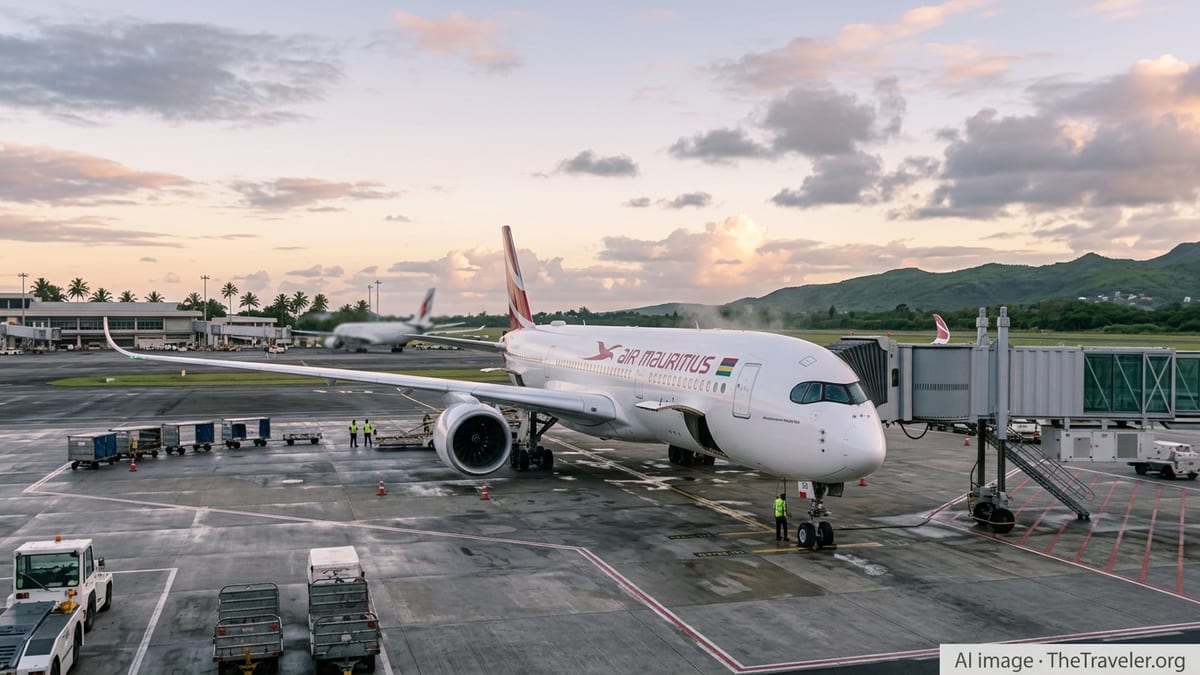
New non-stop connection between Cape Town and Mauritius
According to recent industry coverage, Airlink plans to inaugurate a new Cape Town to Mauritius route operating two times per week from 2 October 2026. The flights will run non-stop between Cape Town International Airport and Sir Seewoosagur Ramgoolam International Airport, reducing overall journey times for leisure and business travellers who currently rely largely on connections via Johannesburg.
The service is expected to complement, rather than replace, existing non-stop options operated by other carriers on the Cape Town–Mauritius corridor. Schedules published by route-tracking platforms already show several weekly direct flights between the two destinations, mainly offered by Air Mauritius and South African Airways. Airlink’s entry will therefore add both capacity and competition on what is viewed as a resilient regional leisure market.
Publicly available information on airline schedules indicates that the new service is being slotted into the northern winter 2026 season, traditionally a period of steady demand for sun-and-sea destinations among South African travellers. Industry observers note that launching at the start of October positions Airlink to capture early-summer bookings out of Cape Town while supporting Mauritius’s strategy of attracting more visitors from the African continent.
Strengthening Southern Africa–Indian Ocean tourism flows
Travel and tourism analysts point out that Cape Town and Mauritius are two of the strongest leisure brands in the wider Southern Africa and Indian Ocean region. Cape Town attracts international visitors seeking city, wine and nature experiences, while Mauritius is marketed globally as a high-quality beach and resort destination. A direct link between the two therefore creates new multi-centre holiday possibilities for both regional and long-haul travellers.
Routing passengers non-stop between Cape Town and Mauritius can facilitate itineraries that combine South Africa’s Western Cape winelands or safari extensions in the region with a beach stay in Mauritius, all without backtracking through Johannesburg. Industry commentary suggests that tour operators and travel agencies are likely to package such combinations more aggressively once additional direct capacity is in place.
The new flights are also expected to support family and diaspora travel between South Africa and Mauritius, as well as meetings, incentives, conferences and exhibitions traffic. Cape Town has been working to grow its role as a conference and events hub, while Mauritius continues to attract corporate retreats and incentive groups. Additional point-to-point air links between the two destinations are viewed as a practical enabler of this strategy.
Competitive landscape on the Cape Town–Mauritius corridor
Route-mapping and timetable data show that the Cape Town–Mauritius market is currently served by a mix of non-stop and one-stop services. Air Mauritius operates several weekly direct flights between the two cities, while South African Airways links Mauritius with South Africa through both Johannesburg and Cape Town. Connecting services via Johannesburg, offered by multiple airlines, add further choice but typically involve longer total travel times.
Airlink’s decision to commit dedicated capacity to the corridor reflects confidence in the underlying demand between the Western Cape and Mauritius. Capacity figures compiled by aviation data providers for 2025 and early 2026 indicate that frequencies on the route have gradually increased compared with pre-pandemic schedules, underlining the destination pair’s resilience and growing popularity among regional and long-haul travellers.
Industry commentary suggests that the addition of Airlink’s twice-weekly service could put downward pressure on average fares over time, particularly in shoulder periods outside school holidays. More competition among carriers often leads to sharper pricing, promotional campaigns and a wider mix of fare options, which may benefit price-sensitive leisure travellers and small businesses.
Strategic move for Airlink’s regional network
Publicly available information on Airlink’s recent network moves shows a pattern of expanding from core hubs such as Johannesburg into more point-to-point regional routes from Cape Town. In addition to increasing domestic connectivity within South Africa, the carrier has progressively added new African and island destinations served directly from Cape Town, positioning itself as an important player in regional travel from the Western Cape.
The planned Cape Town–Mauritius flights align with that strategy by anchoring another high-profile leisure route in the airline’s portfolio. Aviation analysts observe that Airlink’s growing use of efficient regional jets allows it to operate routes with moderate but high-yield demand on a sustainable basis, including island and secondary African city links that might not support larger widebody aircraft.
The Mauritius addition also enhances connectivity options for passengers travelling into Cape Town from Airlink’s wider Southern African network, which includes destinations in countries such as Namibia, Botswana and Mozambique. One-ticket itineraries that link these markets to Mauritius via Cape Town could become more attractive once the new service is launched, potentially redistributing some regional passengers who currently connect through Johannesburg or other hubs.
Implications for travellers and the wider region
For travellers, the main advantages of Airlink’s new flights are expected to be reduced travel time, more schedule choice and potentially greater pricing flexibility. A non-stop service from Cape Town removes the need for additional connections, which can add both cost and complexity to a trip, particularly for families and groups carrying beach and sports equipment.
Regional tourism bodies and airport authorities along the route are likely to view the development as a positive signal for the broader Southern Africa and Indian Ocean aviation market. Additional connectivity between key destinations can support hotel occupancy, cruise pre- and post-stay packages, and ancillary spending in both Cape Town and Mauritius, contributing to job creation across the travel value chain.
Observers will be watching how quickly the new flights are taken up once bookings open and how Airlink chooses to position the product in terms of onboard service and partnerships with local tourism stakeholders. With demand for island and coastal escapes remaining strong in global leisure travel trends, the Cape Town–Mauritius link is expected to become an important corridor in the airline’s regional network from late 2026 onward.