


More news on this day
French rolling stock manufacturer Alstom is emphasizing that deliveries of its hydrogen-powered regional trains are progressing as planned in core pilot markets, even as the company faces wider questions over schedule reliability and technology choices in parts of its portfolio.
Get the latest news straight to your inbox!
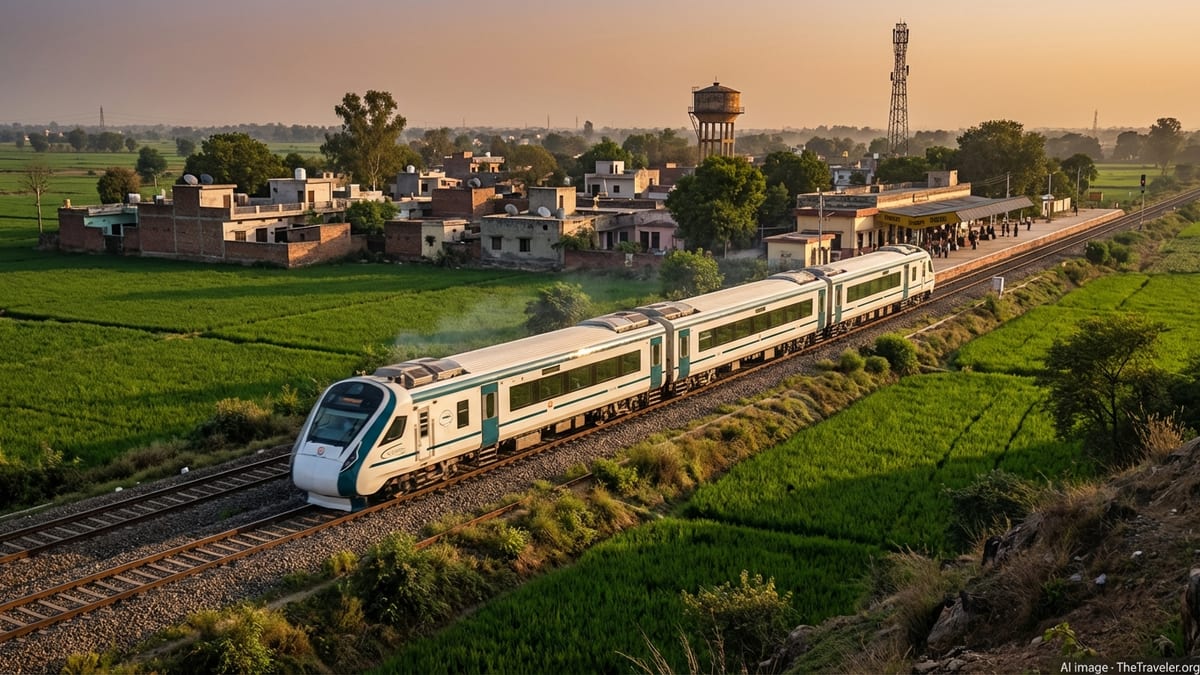
Hydrogen trains under pressure as expectations rise
Alstom has spent the past decade positioning hydrogen traction as a flagship low-emission solution for non-electrified rail lines, with its Coradia iLint multiple unit and related platforms operating test and pilot services in several countries. Publicly available information shows that the trains have entered service or demonstration runs in Germany, France, Italy, the Netherlands, Sweden and Canada, giving the manufacturer a global showcase for the technology.
At the same time, scrutiny of hydrogen in rail has intensified. Industry reports describe mixed operational experiences in Germany, where a fleet of Coradia iLint units supplied to the Rhine-Main region was withdrawn from regular service after technical issues and challenges securing reliable hydrogen supplies. According to specialist railway and energy coverage, these setbacks prompted local authorities to reassess long-term deployment plans and contributed to a broader European debate over whether hydrogen or batteries are better suited to short and medium regional routes.
These developments have raised questions about whether Alstom can continue to scale hydrogen trains while meeting the reliability standards expected by transport authorities. Analysts note that the company is balancing those concerns with a need to defend its early-mover advantage, highlighting projects that are operating as designed and stressing that delivery commitments for contracted hydrogen units remain in place.
Reports from trade media indicate that Alstom has also adjusted parts of its research pipeline, including pausing certain publicly supported hydrogen development activities in France after national funding changes. Even so, existing fleets and pilot services continue to serve as reference projects the company points to when arguing that, at the delivery level, hydrogen trains are being supplied and operated in line with agreed timetables.
Key reference projects show trains in service
Among the most prominent examples Alstom cites when underlining trouble-free delivery is the Coradia iLint operation in Charlevoix, Quebec. According to company press material and Canadian coverage, a hydrogen multiple unit has been running tourist-focused services along the St. Lawrence River, described as the first revenue operation of a hydrogen train in the Americas. Reports indicate that the train completed its initial deployment window as planned, supported by regional energy partners that established the refueling chain in advance.
In Italy, Alstom has presented a hydrogen-powered version of its Coradia Stream train for the Lombardy region. Public documentation from regional operator FNM and the manufacturer describes the unit as part of a broader “Hydrogen Valley” concept in Valcamonica, where hydrogen production, distribution and rolling stock are being developed together. These sources indicate that the first train was built at Alstom’s Italian sites and handed over for testing in 2023, with the delivery milestone met according to the agreed schedule for the prototype and pre-series phase.
Earlier test campaigns across northern Europe also support Alstom’s argument that the delivery of hardware has not been the main bottleneck. In the Netherlands, the Coradia iLint completed certified test runs between Groningen and Leeuwarden, while in Sweden and France the train has undergone trial operations on regional lines and dedicated test tracks. According to published technical notes, these programs were completed within defined windows, suggesting that rolling stock delivery and commissioning proceeded without major disruption.
Rail-sector observers note that these reference projects remain central to how Alstom communicates its hydrogen story: by pointing to trains that have been built, delivered and placed into service, the company seeks to separate questions about the long-term business case or infrastructure readiness from the narrower issue of whether it can supply the trains themselves on time.
Delivery delays elsewhere cloud overall perception
Alstom’s insistence that there are no fundamental problems delivering its hydrogen trains comes against a backdrop of broader challenges across its conventional product range. Recent corporate reporting shows that the group has been grappling with delays and quality concerns on some major contracts, including high-capacity electric multiple units and suburban trains for European customers. In one high-profile case, a French suburban operator temporarily halted acceptance of new Alstom trains following repeated reliability and manufacturing issues with early units.
Financial press coverage in 2026 highlighted that these delays, together with cost inflation and complex project ramp-ups, have weighed on Alstom’s cash flow targets. The company has acknowledged that it will fall short of some medium-term free cash flow objectives and has embarked on a program to simplify its portfolio and focus on contracts with clearer profitability profiles. Market commentators say this context makes it particularly important for Alstom to show that its hydrogen projects are not experiencing similar disruption at the delivery stage.
Industry analysts point out that, while the technical risk profile of hydrogen trains is different from that of high-speed or commuter fleets, the reputational impact of any missed milestones can spill over across product lines. For that reason, they argue, Alstom has been careful to frame the difficulties experienced in parts of its German hydrogen deployment as operational and infrastructure-related rather than delivery failures, emphasizing that trains were handed over and accepted before subsequent problems emerged.
Publicly available commentary from the company also stresses its continuing investment in hydrogen traction components. In early 2026, Alstom announced it was acquiring rail fuel cell activities from an established North American supplier, a move characterized in trade press as an attempt to secure tighter control over a critical part of the value chain and to support existing hydrogen fleets already in service. This step is presented as compatible with ongoing delivery commitments, rather than a sign of retreat.
Debate over hydrogen’s future in rail
The discussion about Alstom’s delivery performance intersects with a wider debate over the role of hydrogen in decarbonizing rail. Some European regions and transport agencies have shifted their focus toward battery-electric multiple units, arguing that overnight or in-motion charging on partial catenary can offer lower lifecycle costs and infrastructure complexity for many non-electrified routes. Policy papers and technical reviews published over the past two years frequently cite the difficulties of building out hydrogen production and refueling networks at scale.
Other stakeholders maintain that hydrogen retains a niche where long, unelectrified lines and heavy axle loads make batteries less practical. In this view, projects such as the Valcamonica Hydrogen Valley and the Charlevoix services demonstrate that, when rolling stock delivery, hydrogen supply and refueling infrastructure are planned together, hydrogen trains can operate reliably and offer a zero direct-emission alternative to diesel. Under this scenario, Alstom’s ability to keep to its contracted delivery schedules becomes a key test case watched by other regions considering similar investments.
Analysts also note that hydrogen developments in rail are increasingly viewed alongside progress in other modes, such as heavy trucks and maritime shipping. If large-scale hydrogen production and distribution hubs emerge for those sectors, rail operators on adjacent corridors may revisit the economics of hydrogen trains, potentially boosting demand for new orders. Market commentary therefore links Alstom’s current message about stable hydrogen train deliveries to a broader strategy of remaining ready should policy and infrastructure trends swing back in hydrogen’s favor.
For now, public information suggests that Alstom’s hydrogen-powered trains remain a small but symbolically important part of its overall order book. While the company continues to navigate delivery challenges across other product families, it is using its on-time hydrogen projects to argue that, where the supply chain and infrastructure are aligned, there are currently no systemic obstacles preventing it from building and handing over hydrogen trains as agreed.