


More news on this day
Rail passengers in Britain are bracing for at least another week of severe disruption after a fatal collision between two trains near Bedford forced the closure of a key stretch of the Midland Main Line, with revised timetables, diversions and rail replacement buses reshaping journeys across the network.
Get the latest news straight to your inbox!
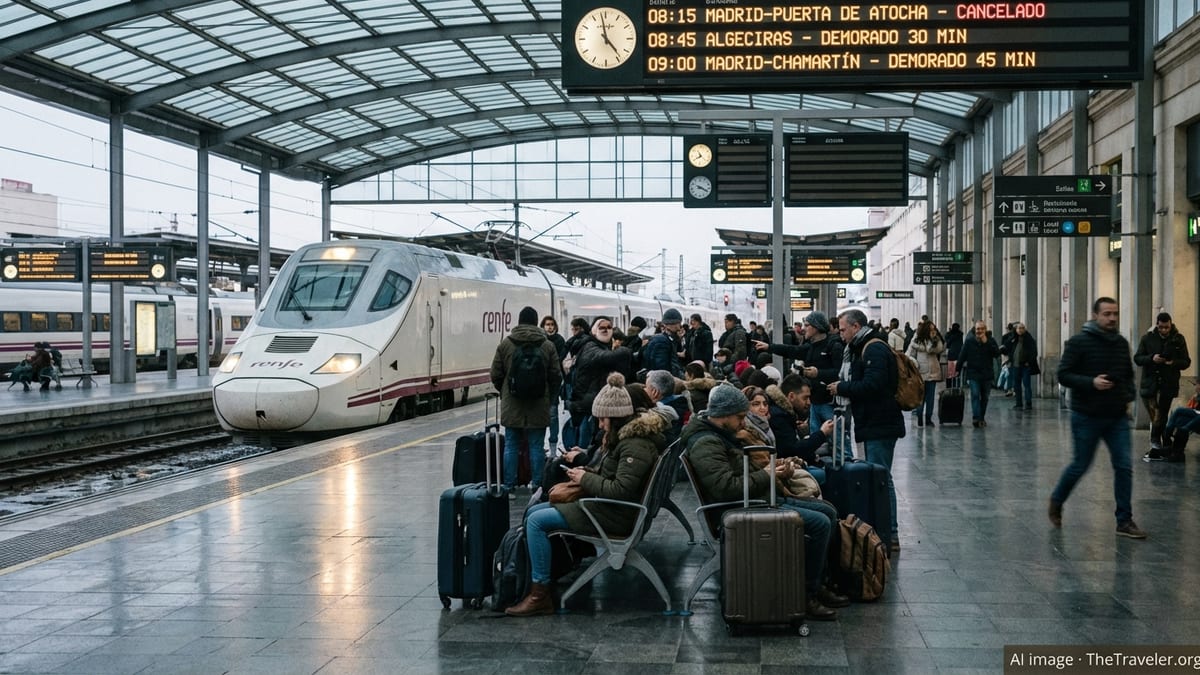
Collision fallout keeps key corridor shut
The collision occurred on Friday 19 June near Bedford, around 60 miles north of London, on one of the busiest intercity and commuter corridors in the country. Published coverage describes two passenger services coming into conflict on the approach to Bedford, leaving at least one person dead and dozens injured, and causing significant damage to trains, track and signalling equipment.
Publicly available information indicates that all lines through the affected section were taken out of service while investigators and specialist recovery teams worked at the scene. Images shared by news outlets show mangled rolling stock and extensive infrastructure damage, underlining why operators are warning that a rapid reopening is unlikely.
Travel updates from regional news and journey-planning sites state that no through services are currently operating between Bedford and London St Pancras. Instead, operators are running a combination of short‑turning trains, diversions over alternative main lines and extensive bus replacement services, severely reducing capacity on a route normally used by tens of thousands of daily commuters.
Reports from passenger forums and social media suggest that disruption has rippled well beyond the immediate crash site, with knock‑on delays affecting services as far afield as the East Midlands and northern England as rolling stock and crews are displaced.
Thameslink and EMR passengers pushed onto rival routes
Thameslink and East Midlands Railway, the two principal operators on the Bedford corridor, are reported to be among the hardest hit. Their usual fast and stopping services into London St Pancras are heavily curtailed, with some trains terminating well short of the capital and others not running at all.
With the Midland Main Line blocked, many long‑distance passengers between the East Midlands, Yorkshire and London are being encouraged to use services on the East Coast Main Line into London King’s Cross instead. According to journey‑planning advice circulated over the weekend, LNER and other operators on that corridor are accepting some tickets, but travellers are being warned to expect much busier trains than normal.
For commuters who rely on Thameslink’s high‑frequency cross‑London services, options are more limited. Guidance from rail information services indicates that passengers from Bedford and intermediate stations are being directed towards rail replacement buses to nearby open lines, or advised to use alternative local rail and bus services to reach other London terminals such as Euston or King’s Cross.
Accounts from travellers describe early‑morning services already standing‑room only, with some passengers choosing to work from home rather than face extended and crowded commutes while the core route remains shut.
Replacement buses and local detours fill the gap
Rail operators and local transport authorities have brought in fleets of replacement buses to bridge the missing section of railway. Public information pages show buses running between Bedford and a range of nearby stations, allowing passengers to reconnect with the rail network, albeit with substantially longer journey times.
These bus links are being supplemented by advice on local detours. In some cases, travellers are being told to travel in the opposite direction to normal to pick up alternative main lines, or to use nearby park‑and‑ride sites and regional coach services. The goal is to spread demand across different modes and avoid overwhelming any single alternative route.
Transport planners note that road congestion is already building on key approaches to Bedford and other interchange points as displaced rail passengers switch to cars, shared taxis and long‑distance coaches. Local news outlets in affected towns are carrying appeals for residents to allow extra time for journeys and to avoid driving through rail replacement hubs where possible.
Despite these measures, journey planners are flagging significantly extended travel times on many flows that would normally use the Bedford corridor. Some long‑distance itineraries now involve multiple changes and combinations of trains and buses where a single through train would previously have sufficed.
Network pressures extend beyond the crash site
The closure of a central artery is placing fresh strain on other parts of Britain’s already busy rail network. According to rail industry updates, diversionary routes on lines such as the West Coast and East Coast main lines are seeing markedly higher demand, particularly on weekend and peak‑time services.
In northern England and Scotland, previous experience with major closures has shown how long‑distance trains can be rerouted via scenic but less heavily used lines to maintain connectivity. Similar patterns are emerging again, with some intercity operators reportedly using cross‑country and secondary main lines to bypass the blocked section south of Bedford.
These diversions, while helping to preserve a skeleton long‑distance service, often mean slower journeys and altered stopping patterns. They also reduce the flexibility available elsewhere on the network, as paths that might have been used for local or freight services are reassigned to additional passenger trains.
Rail commentators point out that the Bedford disruption adds to a year already marked by isolated but high‑impact rail incidents and planned engineering work in several regions, amplifying the challenges for timetable planners and passengers alike.
What passengers should expect in the coming week
Rail information portals and journey‑planning services state that disruption on the Bedford corridor is expected to last at least another week, with some suggestions that services might not fully return to normal until detailed inspections and repairs are completed. The severity of the impact is likely to vary day by day as timetables are adjusted and more precise assessments of infrastructure damage become available.
Passengers with pre‑booked tickets are generally being offered flexibility to travel on alternative services or different days, subject to individual operator policies. Consumer advice sites recommend checking the latest information before setting out, allowing substantial extra time for connections and considering whether journeys can be rescheduled or replaced with remote meetings where possible.
Travellers who must make essential trips are being urged, in public guidance, to familiarise themselves with alternative stations and routes, to expect crowded conditions on diversionary lines and buses, and to carry water and essential medications in case of extended delays.
As investigations continue into the cause of the Bedford collision, the immediate focus for rail users over the coming week will remain on navigating a drastically altered network, making use of every available alternative route while the damaged section of main line stays shut.