


More news on this day
France’s rolling protests and pockets of violent unrest have prompted Hong Kong to issue an Amber outbound travel alert for the country, highlighting rising disruption risks even as major tourism hubs remain largely open to visitors.
Get the latest news straight to your inbox!
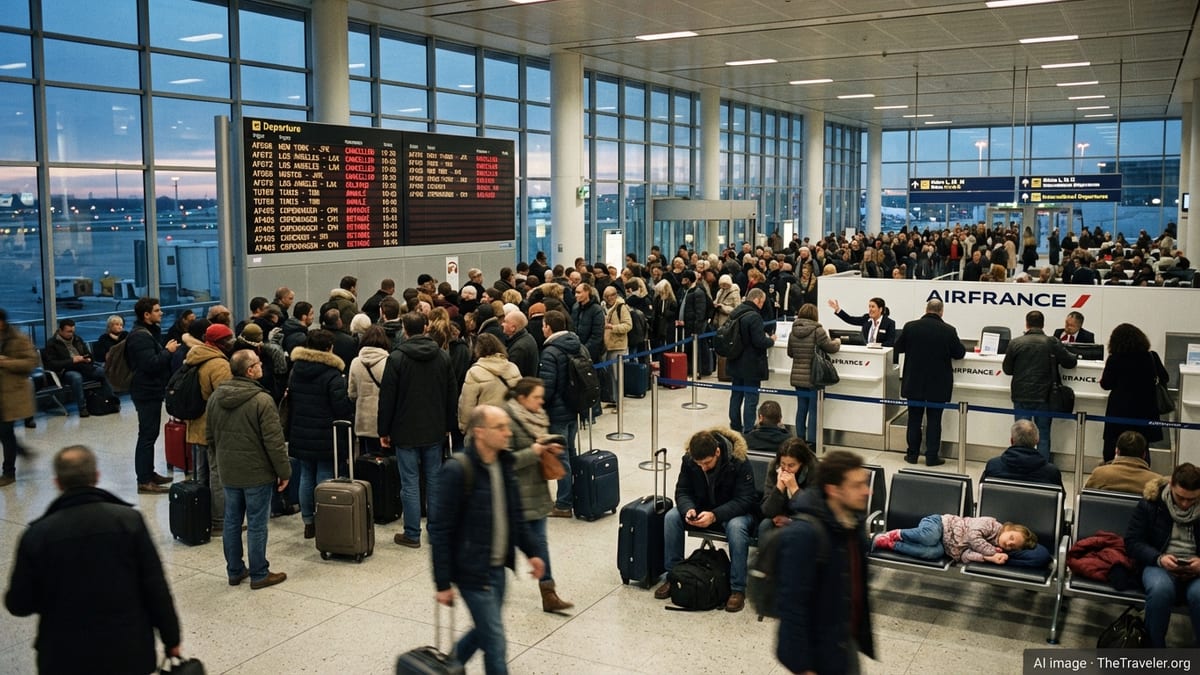
Hong Kong raises alert as unrest intensifies across France
Hong Kong’s government activated an Amber Outbound Travel Alert for France on October 20, 2026, citing the latest nationwide protest situation and the potential impact on visitors. The notice advises residents to monitor developments closely, review their insurance coverage and be prepared for sudden disruption, without calling for a blanket halt to travel.
The alert follows a surge in demonstrations over the cost of living, fuel prices and education policy that began in mid-September and swelled into a broad protest movement by mid-October. Publicly available reporting shows that high school and university students, unions and cost-of-living campaigners have converged in large marches in Paris, Lyon, Marseille and other major cities.
According to recent coverage of the October 17 nationwide mobilisation, hundreds of thousands of people took to the streets across France, with some marches remaining peaceful while others saw clashes, fires and looting. A tourist office in central Lyon was among the properties damaged, underscoring how unrest can occasionally spill into areas frequented by visitors.
International risk assessments continue to characterise France as a destination where travellers should exercise increased caution rather than avoid trips entirely. The new Amber alert from Hong Kong adds another layer of warning by emphasising the elevated chance of running into protests, police operations and short-notice closures in the coming weeks.
Security posture and travel advisories from other governments
While Hong Kong’s Amber alert is one of the clearest formal responses so far to the October unrest, other governments have also updated travel advice for France. Recent advisories from countries such as Canada, Ireland and Australia highlight the combination of protest activity, an elevated terrorism threat level and a greater security presence on streets and around key sites.
The United States maintains a Level 2 advisory for France, urging travellers to exercise increased caution, and American consular messages this month have drawn attention to violent protests in Paris and other cities. One recent alert pointed to confrontations on Paris’ Boulevard Saint-Germain and advised people to avoid demonstration areas, monitor local media and follow instructions from local services.
European governments have issued similar reminders. Germany’s latest safety notice for France refers to violent incidents during the October 17 protests and recommends that visitors keep their distance from large gatherings, particularly in the evenings. Irish and Australian travel advice also notes that France’s national security threat level remains high and that security forces are visibly deployed in transport hubs and around popular attractions.
Despite these cautions, no major Western government has moved to a full “do not travel” warning for mainland France. Publicly available information shows that airlines, high-speed rail operators and most hotels continue to operate normally, albeit with localised delays or detours on days when protests peak.
How protests are affecting transport, cities and key sights
The main impact for visitors so far has been on mobility rather than personal safety. French and international media, along with on-the-ground accounts from travellers, describe rolling street closures, diversions and temporary shutdowns of Metro and tram stations in cities where demonstrations are planned.
In Paris, protest marches have recently passed through or near major central axes such as Boulevard Saint-Germain, Place de la République, Bastille and Nation. On these days, police frequently close adjacent streets to traffic, and in some cases bridges over the Seine are shut for several hours. Travellers arriving or departing by taxi or rideshare have reported being dropped a kilometre or more short of their hotels when vehicles are not allowed into cordoned areas.
Regional and national transport can also be hit. Protest calendars published by French media indicate that unions in sectors including energy and rail have authorised strike action through the end of 2026, which can lead to reduced train frequencies or late timetable changes. Local reports note that an ongoing strike mandate at power-grid operators is in place until December 31, although its day-to-day effect on tourists has been limited so far.
Tourist attractions have largely remained open, but closures do occur at short notice when marches pass nearby or when staff join wider protest movements. Recent coverage has described temporary access restrictions at high-profile sites such as sections of central Paris, with museums and landmarks occasionally closing early for security reasons. Visitors are increasingly advised to check official social media channels for attractions and city transport on the morning of each visit, especially around planned national protest days.
What the Amber alert means for current and future trips
Hong Kong’s Amber alert is part of a tiered system intended to flag elevated but manageable risks in overseas destinations. Under this level, residents are encouraged to review travel plans, stay vigilant and consider whether non-essential journeys should proceed, particularly for travellers who may be uncomfortable with a fluid security environment.
For those who still plan to visit France in late October and into November, the alert underscores the importance of flexibility. Public advice from government travel portals and major tourism organisations recommends booking refundable accommodation where possible, allowing extra time to reach airports and train stations, and avoiding accommodation directly on major protest routes or large public squares known as rallying points.
Insurance is another focus of current guidance. Travellers are advised to check whether their policies cover trip interruption caused by civil unrest, missed connections due to roadblocks, or the need to reroute journeys to avoid affected areas. Some insurers treat protests differently from natural disasters, so policy wording can be crucial.
Tour operators and airlines have not announced large-scale cancellations in response to the Amber alert and current protest wave. However, there have been isolated schedule adjustments and rebooking options offered around the busiest protest dates, reflecting a wider trend toward accommodating last-minute changes as the situation evolves.
Practical safety tips for visitors on the ground
Current public guidance from foreign ministries and travel safety agencies converges on a set of practical measures for those already in France or due to arrive shortly. The first is to avoid protest areas altogether, even if gatherings initially appear peaceful. Demonstrations that begin calmly can change rapidly, and clashes between small groups of protesters and police often lead to the use of tear gas, water cannon or rubber bullets in confined streets.
Travellers are encouraged to follow local news, city transport updates and their home country’s travel advisories on a daily basis. In practice, this often means checking national broadcasters, municipal information channels and official transport operators each morning for notices about marches, station closures or rerouted bus and tram lines.
Authorities have repeatedly stressed the value of keeping identification documents accessible and knowing the locations of one’s embassy or consulate in France. Visitors are also urged to stay away from burning barricades, damaged property and large police deployments where arrests or crowd dispersal may be underway, even if these scenes draw onlookers or photographers.
For most visitors, reports from the past two weeks indicate that life in key tourist districts away from protest routes has remained relatively normal, with cafés, museums and neighbourhood streets operating much as usual. The Amber alert and related advisories do not suggest that travellers must abandon plans to visit France, but they do signal that a more cautious, well-informed approach is essential until the current protest wave subsides.