


More news on this day
Hong Kong has issued an amber outbound travel alert for France following weeks of nationwide protests and sporadic unrest, a move that is prompting travelers worldwide to reassess upcoming trips and pay closer attention to fast-changing conditions on the ground.
Get the latest news straight to your inbox!
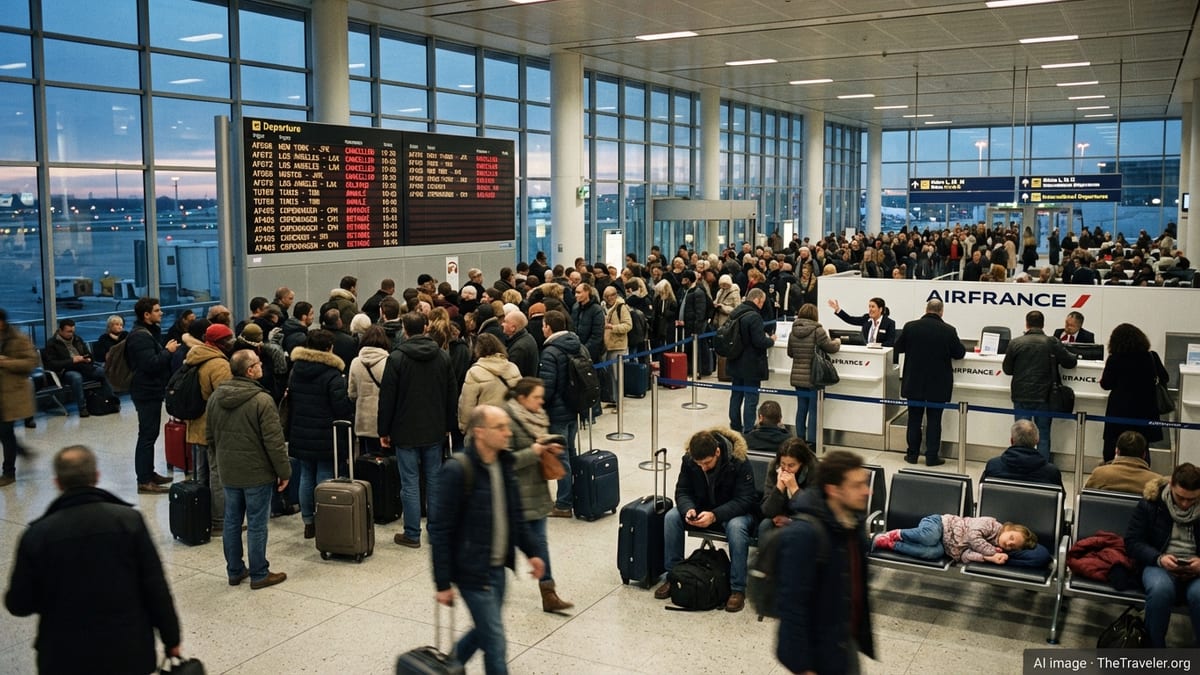
Alert triggered by widening protest movement
The amber alert, announced on October 20, 2026, advises Hong Kong residents to avoid non-essential travel to protest-affected areas of France and to exercise heightened caution if already in the country. According to information released by Hong Kong’s Security Bureau and reported by local media, the decision follows persistent demonstrations that have spread across multiple French cities and led to clashes and property damage.
Coverage from Hong Kong-based outlets indicates that the latest unrest grew out of high school and student protests over conditions in education, which have intersected with wider grievances about living costs and public services. In several urban centers, peaceful marches have reportedly been overshadowed at times by vandalism, looting and confrontations between small groups of protesters and police.
Under Hong Kong’s outbound travel alert system, an amber notice signals signs of threat and calls for extra vigilance but stops short of urging residents to defer all travel. The system has three tiers, with amber considered the lowest level, followed by red and black alerts for more severe risk environments. The current alert applies countrywide but is framed in the context of specific protest hotspots and the potential for unrest to flare at short notice.
Travel industry tracking services show that France remains categorized as a moderate-risk destination by a number of governments, but the Hong Kong move underscores how civil unrest can prompt targeted caution even when broader security assessments do not change.
How France is currently rated by other governments
Publicly available advisories from several major travel markets show that, despite the Hong Kong decision, France continues to sit in a middle band of risk for most international visitors. The United States maintains a Level 2 advisory for France, calling on travelers to exercise increased caution due to terrorism and unrest. The advisory, last updated in 2025, highlights the possibility of attacks on crowded public spaces, as well as the impact of periodic demonstrations and strikes on transport and city life.
Australia’s Smartraveller service also advises travelers to exercise a high degree of caution in France, citing the ongoing threat of terrorism and the potential for large-scale protests. An update published on October 20, 2026, notes that sizeable demonstrations took place across France on October 17 and may continue, with the possibility of localized curfews and other temporary public-safety measures in affected areas.
Canada’s travel advice for France, revised on October 19, 2026, similarly urges travelers to exercise a high degree of caution because of terrorism concerns and draws fresh attention to demonstrations. The advisory warns that security conditions can change quickly and that protest activity may disrupt local transport, public services and visitor plans.
By contrast, the United Kingdom does not currently advise against travel to France. Its guidance, updated in August 2026, focuses on routine safety and security considerations and does not attach a numerical risk level. Travelers are urged to monitor local developments and be aware that protests and strikes can affect public transport, driving conditions and access to some public buildings and attractions.
What the amber alert means for travelers on the ground
For leisure and business travelers, the amber alert does not automatically mean canceling trips to France, but it signals a need for more careful planning and closer monitoring of local conditions, particularly in major cities such as Paris, Lyon, Marseille and Toulouse. Reports indicate that many protests have been announced in advance, but spontaneous gatherings can also occur, especially around government buildings, central squares and university districts.
Travel risk specialists advise that visitors avoid demonstration areas altogether, including out of curiosity, as crowd dynamics can change rapidly and small-scale incidents can lead to a strong police response. Some foreign governments note that filming or photographing confrontations between protesters and security forces may draw unwanted attention and is best avoided.
Demonstrations and strikes can also affect day-to-day logistics. Previous waves of unrest in France have led to short-notice closures of metro and train stations, rerouted bus lines and delays on intercity rail services. Travelers are encouraged to allow extra time for airport and station transfers, check operator notices on the day of travel and confirm tour and attraction bookings shortly before departure times.
Insurance considerations are also coming into sharper focus. Many comprehensive travel insurance policies cover disruptions linked to civil unrest, but travelers are being urged to verify existing coverage, including provisions related to missed connections, accommodation changes and trip curtailment. Insurers may require documentation such as carrier notices or local media reports in order to process claims.
Security posture and protest hot spots in France
France has been operating under an elevated national security posture for several years, with a structured alert system that can be raised in response to terrorism threats or major public safety incidents. Several partner governments, including those of the United States, Ireland, Canada and Australia, continue to highlight the possibility of both planned and opportunistic attacks against crowded places ranging from transport hubs to entertainment venues and major tourist sites.
Public information from European and international travel advisories points out that visible security measures are now a routine part of daily life in France. Visitors can expect bag checks at the entrances to museums, department stores, stadiums and large events, as well as a noticeable police or military presence in central districts, around rail stations and at airports. These measures are described as precautionary and long-standing, rather than direct responses to the latest protests.
The current wave of demonstrations has been particularly prominent in urban areas with dense student populations and in neighborhoods where cost-of-living pressures have hit hardest. In Paris, marches and sit-ins have been reported in parts of the Left Bank, around educational institutions and along major boulevards, occasionally spilling into adjacent commercial streets. Local media coverage from other regions describes similar patterns near town halls and central squares, including weekend gatherings that may overlap with peak sightseeing hours.
While most visits to France continue without major incident, travel advisories emphasize that unrest can develop quickly and sometimes with little warning, even in areas popular with visitors. Travelers are therefore urged to stay alert in crowded settings, keep valuables secure and maintain flexible plans that can be adjusted if streets or transport hubs are temporarily closed.
Practical steps for those planning or continuing trips
For travelers who decide to proceed with visits to France, official guidance from multiple governments stresses preparation and situational awareness. This includes registering trip details, where possible, with consular services, so that travelers can receive updates and be contacted during an emergency. Many national foreign ministries offer online registration platforms and email alert services for this purpose.
Staying informed through reputable news outlets and local information channels is also critical. International advisories recommend checking regional news, city transport feeds and, where available, the social media accounts of municipal authorities for notices about planned protests, route changes, temporary curfews or security cordons that could affect specific neighborhoods.
On a practical level, travelers may wish to book flexible or refundable fares and accommodation where budgets allow, in case itineraries need to change at short notice. Keeping paper and digital copies of passports, identification and key reservations separate from original documents can help if belongings are lost or stolen in crowded environments.
Finally, experts note that basic crowd-safety habits remain important. These include identifying exits in busy venues, carrying only essential valuables, avoiding isolated streets when returning to accommodation late at night and moving calmly away from any gathering that appears to be growing tense. With an amber alert in place for Hong Kong residents and heightened attention from several other governments, the message for international visitors is not to stay away from France entirely, but to travel with increased awareness and a willingness to adjust plans if conditions shift.