


More news on this day
Travelers heading to France are being urged to check official guidance after the UK Foreign, Commonwealth & Development Office updated its travel advice in response to nationwide riots and a patchwork of night-time curfews affecting several major cities.
Get the latest news straight to your inbox!
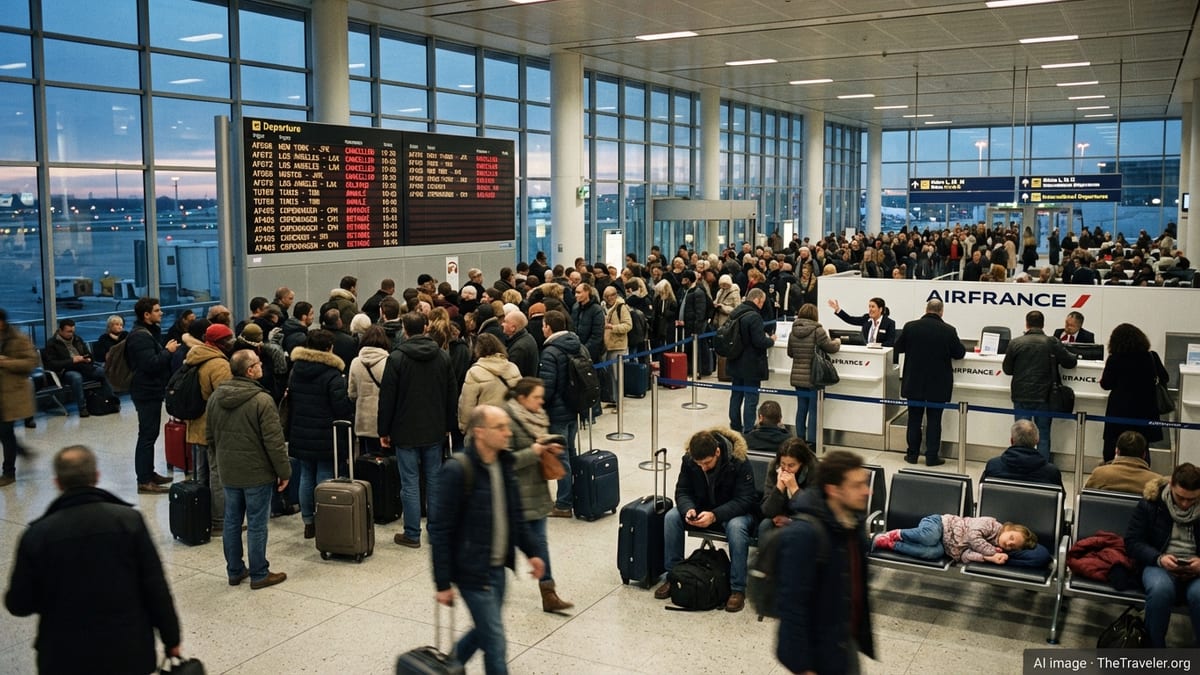
Foreign Office updates guidance as unrest spreads
Publicly available information on the UK government’s France travel advice page shows that guidance was updated on 21 October 2026, highlighting the risk of further demonstrations and warning that local curfews may be introduced or extended at short notice in response to unrest. The Foreign, Commonwealth & Development Office (FCDO) has not advised against travel to France, but it is drawing renewed attention to the possibility of sudden security measures that could disrupt trips.
The current advisory notes that protests linked to the rising cost of living and broader social grievances have led to episodes of serious violence, with rioters targeting public buildings, shops and city-centre infrastructure over the weekend of 17 to 18 October. The guidance explains that further gatherings may occur with little warning and that travelers should avoid protest areas, monitor local media and follow the instructions published by local prefectures.
The updated wording underlines that, while most visits to France remain trouble free, travelers should be prepared for short-notice restrictions on movement, particularly during evening and night hours in city centres. The advisory also reiterates longer-standing concerns about the risk of opportunistic crime in crowded areas and the ongoing elevated threat of terrorism.
Riots, arson and curfews in multiple French cities
Over recent days, widespread rioting has been reported across France after initially peaceful demonstrations escalated in several cities on 17 October. Coverage from international news agencies describes cars set alight, shops looted and public buildings attacked, including a historic city hall in Limoges that was engulfed in flames after protesters forced their way inside. The disturbances have been described as the most destructive unrest seen in the country in several years.
In response, local authorities have put in place a patchwork of curfews targeting the most affected districts. According to published reports, the Paris police prefecture imposed an overnight curfew from 23:00 to 06:00 on 19 October in specific central areas around Place de la République and the Les Halles shopping district, following looting and clashes there. Similar measures have been announced in parts of Lyon’s city centre, where an overnight curfew from 21:00 to 06:00 has been renewed after a night of relative calm.
Regional media and travel-industry coverage indicate that other cities, including Lille, Bordeaux, Nice and several smaller municipalities, have also adopted localised night-time restrictions. In Lille, curfews have focused in part on minors, while Nice has introduced a 21:00 to 06:00 curfew for under-18s in areas such as the old town and streets around the Gare du Sud. The details vary by location, but travelers can generally expect limits on movement in affected districts during the hours specified by each prefecture.
Impact on tourists: closures, disruption and restricted areas
The unrest has had a tangible impact on visitors in key destinations. Tourism and travel trade outlets report that the Louvre Museum closed temporarily at the start of the week after protesters blocked access, while some metro stations near the Champs Élysées and other protest hotspots in Paris were closed at the request of police. In Lyon, the central tourist office near Place Bellecour suffered significant fire damage, raising concerns about longer-term disruption to visitor services in that area.
Travel advisories from several governments, including Canada and Australia, state that demonstrations and associated violence have taken place in multiple cities, that further protests are expected, and that localized curfews are already in effect in certain municipalities. These advisories highlight the potential for sudden transport disruption, with tram and bus routes diverted, roads closed and occasional station shutdowns along protest routes, particularly in Paris, Marseille, Lyon and other major urban centres.
Reports aimed at travelers note that, despite the images of burned-out vehicles and smashed shopfronts, day-to-day sightseeing in many areas has continued, especially away from specific protest zones. However, visitors have been advised to factor in extra time for journeys, check public transport apps for live updates on station closures and diversions, and be prepared for a visible security presence in busy districts and around major landmarks.
What the latest advice means for upcoming trips
The FCDO’s decision to update its France page without changing the overall level of advice means that UK travelers can generally proceed with holidays, but should pay closer attention to safety and logistics. Consumer travel coverage in the UK notes that tour operators and airlines are continuing to run services, and that standard booking terms apply unless a formal warning against all but essential travel is issued. Travelers who cancel proactively because of the unrest are not automatically entitled to full refunds under current guidance.
The updated advice encourages travelers to register for alerts from their government, keep passports and valuables secure, and stay clear of any demonstrations, even if they appear peaceful. It also underlines that gatherings can shift location quickly, so relying solely on printed itineraries or static maps may not be sufficient; using real-time navigation and checking local news before heading out in the evening are strongly recommended.
Other national advisories, including those from North America, reiterate existing cautions about pickpocketing and theft in crowded places such as railway stations, metro systems and tourist attractions. These notices now also reference the recent riots and note that violence has, in some cases, occurred close to key transport hubs, reinforcing the need for travelers to remain aware of their surroundings, especially after dark.
Practical tips for staying informed on the ground
For those due to arrive in the coming days, the most consistent recommendation across multiple official advisories is to monitor updates regularly. The French government and city prefectures publish notices on security measures, including any new or extended curfews, on their official channels. Publicly available travel guidance suggests checking these updates each day, particularly if staying in city-centre districts of Paris, Lyon, Lille, Bordeaux, Marseille or Nice.
Travel news outlets advise booking flexible accommodation and transport where possible, so that arrival times or sightseeing plans can be adjusted if specific areas are affected by overnight violence or morning clean-up operations. Travelers with fixed tickets for museums, shows or sporting events are encouraged to verify directly with the venue on the day of visit, as some attractions and cultural institutions have temporarily closed or reduced hours in response to security concerns or staff shortages.
On the ground, visitors are being urged to keep a copy of their identification, carry only essential valuables when out, and avoid lingering near marches, police cordons or large crowds. If curfews are in force in a particular district, travelers are expected to stay indoors during the specified hours and to plan evening meals and returns to their accommodation accordingly. By combining up-to-date official advice with cautious route planning, most trips can still go ahead, albeit with a higher level of situational awareness than usual for an autumn visit to France.