


More news on this day
British travellers considering late-season getaways to the eastern Mediterranean are being urged to reassess their plans after the UK Foreign Office reinforced a firm “do not travel” warning for parts of Lebanon, a destination that has long appealed for its blend of historic cities, mountain landscapes and Mediterranean beaches.
Get the latest news straight to your inbox!
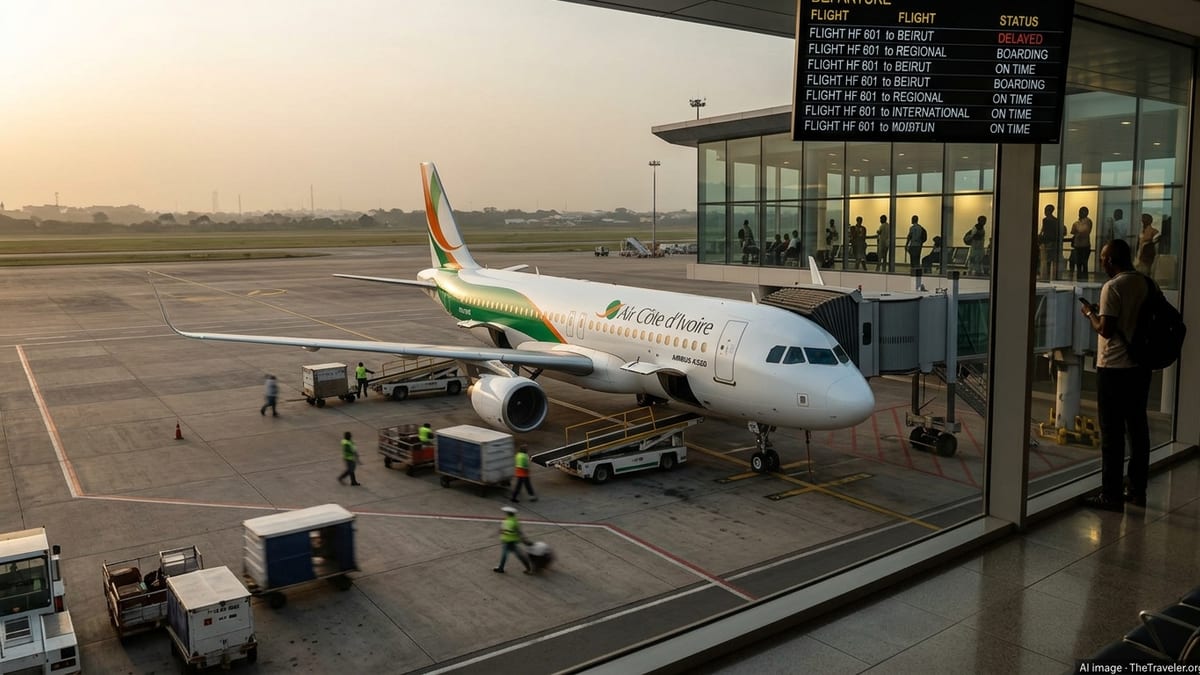
Fresh warning highlights security risks in Lebanon
According to publicly available information on the UK government’s travel advice service, the Foreign, Commonwealth and Development Office currently advises against all travel to several areas of Lebanon, including regions along the Syrian border and parts of the south near the Israeli frontier. The guidance also advises against all but essential travel to other parts of the country, effectively placing significant restrictions on leisure trips.
Recent coverage in UK media indicates that this advice has been reiterated in late summer 2026, with officials drawing attention to the volatile security environment, the risk of armed clashes and the potential for travel routes to be cut off at short notice. While the detailed wording varies by region, the overall message for tourists is that conditions remain unpredictable and that security incidents can occur with little or no warning.
Lebanon, once widely promoted as a short-break destination from the UK thanks to direct flights and a well-established hotel scene in Beirut and coastal resorts, has seen international visitor numbers heavily affected in recent years by political instability, economic crisis and regional conflict. The renewed emphasis on “do not travel” warnings underscores how far the situation still is from the carefree city-break image many holidaymakers remember.
What the ‘do not travel’ warning means for holidaymakers
FCDO advice is not legally binding for UK citizens, but a “do not travel” designation is one of the strongest signals the government issues on overseas destinations. Travel industry booking conditions and insurance policies often refer directly to this scale, treating trips to areas where the warning applies as higher risk. As a result, holidays may be difficult to insure, and travellers who proceed against advice can find that standard policies do not cover cancellations, medical costs or evacuation linked to security incidents.
Package tour operators typically review itineraries when a country or region moves into a “do not travel” category. Publicly available booking terms from major providers indicate that organised holidays to areas covered by such warnings are normally rearranged, rerouted or cancelled, with customers offered alternatives or refunds. Independent travellers, however, have to make their own decisions, balancing the cost of abandoning plans against the risks highlighted in official guidance.
For those considering transit through Beirut as part of wider itineraries in the Middle East, the advisory can also have knock-on effects. Airlines may continue flying, but schedules and routes are subject to change if demand falls or security concerns escalate. Travellers with non-refundable tickets involving Lebanon are being encouraged, through open travel-industry commentary, to check fare rules and discuss options with carriers or agents well before departure dates.
Impact on a once-popular Mediterranean escape
Lebanon’s tourism appeal has long rested on the contrast between cosmopolitan Beirut, Roman ruins such as Baalbek, and cooler mountain resorts that offer respite from summer heat. Before the country’s economic downturn and the Beirut port explosion in 2020, weekend city breaks, food-focused tours and coastal holidays were regularly marketed to UK travellers as an alternative to more crowded Mediterranean hotspots.
Since then, a succession of crises has reshaped the travel landscape. Reports from international organisations and local tourism bodies describe a sharp fall in international arrivals, closures or repurposing of high-end hotels, and pressure on essential services such as electricity, healthcare and banking. For prospective visitors, this means that even in areas not directly affected by security incidents, day-to-day logistics can be far more challenging than they were a decade ago.
For the wider region, the ongoing restrictions on travel to Lebanon contribute to a patchwork of advisories that already affects nearby destinations. Some neighbouring countries remain open to tourism with standard precautions, while others are subject to varying levels of warning. This fragmentation can complicate multi-country itineraries that were once marketed as seamless cultural circuits combining several Levantine capitals and archaeological sites.
Checking current advice before booking
Travel advice for Lebanon is being updated as conditions change, and the latest notices stress that security risks can evolve quickly. Prospective visitors are therefore urged in public guidance to review the official travel advice page for Lebanon on the UK government site shortly before booking and again just before departure. This is particularly important for travellers planning to visit friends and relatives, who may be more inclined to prioritise personal commitments over risk assessments.
Industry bodies and consumer groups also encourage travellers to consider the financial implications of booking into a destination under heightened warning. Some comprehensive travel insurance policies make distinctions between areas where the Foreign Office advises “against all travel” and areas where it recommends “against all but essential travel,” while others take a more blanket approach. Reading policy wording carefully and, if needed, speaking to an insurer before committing funds can reduce the chance of unpleasant surprises if plans have to be abandoned.
For those who already hold bookings involving Lebanon, experts featured in recent travel coverage suggest monitoring airline and tour operator updates alongside official advisories. Where a provider cancels or significantly alters a holiday because of changing safety assessments, UK consumer regulations can entitle customers to a refund or alternative arrangements, but the precise options vary by company and by the timing of any schedule changes.
Alternative late-season options for UK travellers
The reinforcement of “do not travel” warnings for parts of Lebanon comes at a time when many British holidaymakers are looking for warm-weather escapes beyond the peak summer months. While some eastern Mediterranean routes are affected by regional instability, large parts of southern Europe and North Africa remain open to tourism, with destinations such as mainland Spain, Portugal, the Canary Islands, Greece and parts of Morocco continuing to attract strong demand according to recent booking trends reported in the travel trade press.
Travel analysts note that when a country moves into a higher-risk category, demand often shifts to other destinations that offer similar climates or experiences without the same level of advisory. For Lebanon, that can mean travellers pivoting to alternative city-break locations on the Mediterranean, or opting for cultural trips in countries where the Foreign Office currently lists only standard safety precautions.
Even in these popular alternatives, however, public guidance emphasises the importance of checking local regulations, monitoring news for events such as wildfires or severe weather, and ensuring that passports, visas and health documentation comply with entry rules. By combining this preparation with careful attention to the latest Foreign Office updates, travellers planning autumn and winter getaways can make more informed choices about where, and whether, to go.