


More news on this day
Passengers on an American Airlines flight from Charlotte to Chicago endured a 7.5 hour delay followed by a diversion to Minneapolis instead of their intended destination, turning a routine domestic trip at the height of the U.S. summer rush into an exhausting overnight ordeal.
Get the latest news straight to your inbox!
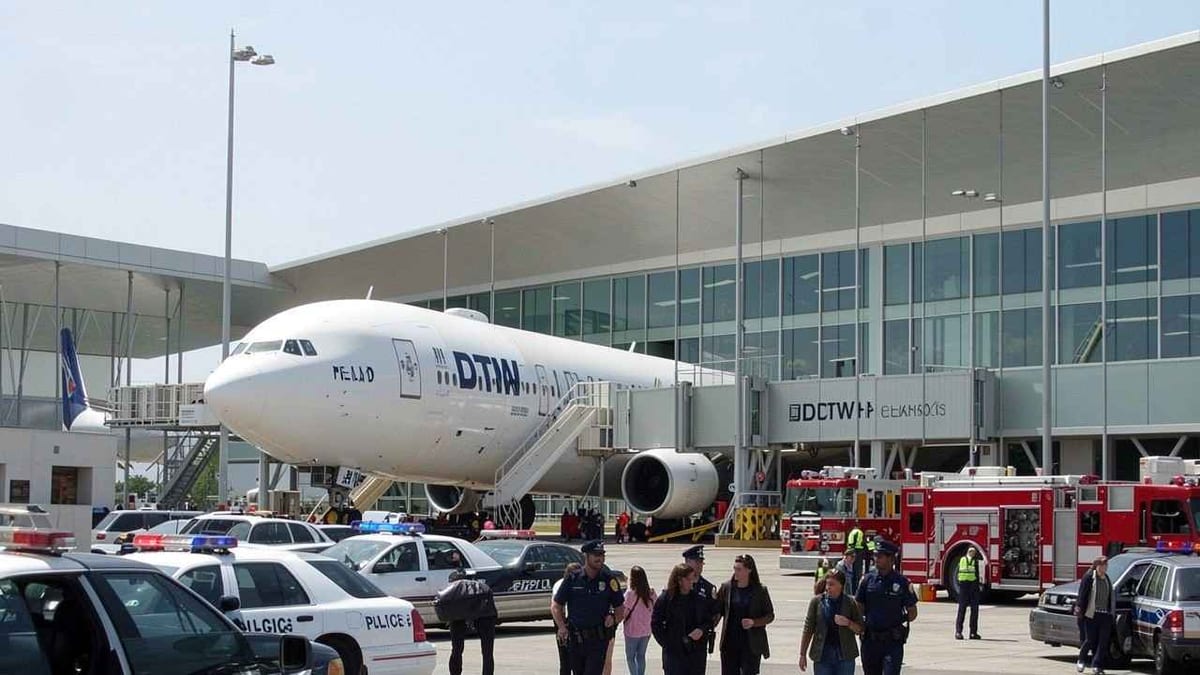
Holiday-Weekend Flight Goes Off Course
According to aviation industry coverage and publicly available flight data, the incident involved an American Airlines service operating between Charlotte Douglas International Airport and Chicago O’Hare during the busy Fourth of July travel period. Reports indicate that the flight’s original departure was pushed back repeatedly, ultimately leaving more than seven hours behind schedule before finally taking off from North Carolina.
The delay occurred against a backdrop of heavy holiday traffic and widespread operational strain across several major U.S. hubs. Airlines were managing storms, congestion and tight crew rotations, all of which can contribute to rolling delays as aircraft and staff fall out of position. In this case, the extended ground hold meant the flight departed well outside its initial schedule, narrowing options for handling any further disruption en route.
Once airborne, the situation deteriorated further when the aircraft was rerouted away from Chicago and toward Minneapolis. Aviation reports describe the move as a diversion driven by operational factors, with the jet landing safely in Minnesota but leaving passengers hundreds of miles from the city printed on their boarding passes.
For many travelers onboard, the combination of a 7.5 hour delay and a diversion to the wrong city turned what should have been a short domestic hop into a daylong saga of missed plans, rearranged ground transport and uncertain onward connections.
From Rolling Delay To Unplanned Diversion
Publicly available tracking information and airline operations summaries suggest the disruption followed a now familiar pattern. The flight’s departure time was adjusted in increments, with rolling estimates indicating that boarding and takeoff would occur later in the evening but still within the same operating window. Such incremental pushes can keep passengers at the gate rather than in hotels, even as the total delay quietly grows to several hours.
As the delay extended, the ripple effects widened. Aircraft and crew rotations, already tight during the peak holiday rush, had less margin for further shocks such as air traffic control restrictions or weather around Chicago. Industry analysts note that when airports like O’Hare are saturated, arrival slots can become scarce, triggering last minute reroutes to secondary cities where capacity is easier to absorb.
Reports indicate that by the time the American Airlines flight neared the Chicago area, a combination of congestion and operational constraints led to a decision to divert to Minneapolis. While diversions for weather or traffic management are not unusual, they typically still place passengers in the general region of their destination. In this case, the landing city was not a planned stop on the itinerary, emphasizing how quickly a routine delay can evolve into what travelers experience as a misdirected journey.
Once on the ground in Minneapolis, passengers faced the additional challenge of securing hotels, rebooking onward flights or arranging overland transport at the end of a long travel day. Accounts shared across consumer travel outlets highlight frustration over limited late night options and uncertainty about when, or even how, they would finally reach Chicago.
Passenger Experience Highlights System Strain
The ordeal has drawn attention in aviation and consumer travel circles as a vivid example of how multiple, individually manageable problems can converge into a highly disruptive outcome. Analysts point to severe weather near key hubs, dense summer schedules and tight staffing as underlying factors that can leave airlines with few good choices once delays start to cascade.
Recent weeks have seen a series of American Airlines disruptions documented by flight trackers and travel media, including precautionary returns to origin airports, diversions to secondary fields in Florida and the Midwest, and lengthy rolling delays at busy hubs. Together, these events paint a picture of a system operating close to capacity, where relatively small schedule shocks can escalate quickly.
For travelers on the Charlotte to Chicago flight, the practical impact went beyond inconvenience. An evening arrival turned into an unplanned overnight stay in an unfamiliar city, with missed family gatherings, business meetings and holiday events. Some passengers reportedly had to wait until the following day to secure confirmed seats into Chicago or alternative nearby airports, extending the disruption well past the original 7.5 hour delay.
Consumer advocates observing similar cases across the industry argue that clearer communication, earlier acknowledgement of likely missed connections and more proactive hotel or rerouting arrangements could soften the blow when diversions and major delays become unavoidable.
Operational Pressures At Major U.S. Hubs
The incident also underscores the operational complexity of running dense schedules through airports such as Charlotte and Chicago during peak seasons. Both facilities function as major connecting points in the American Airlines network, concentrating large volumes of arrivals and departures into tight windows that are particularly vulnerable to storms and air traffic control initiatives.
Analyses of recent flight data show that even modest weather systems can trigger ground stops, spacing requirements and miles-in-trail restrictions, reducing the number of aircraft allowed to land or depart in a given period. When this happens, airlines may be forced to hold departures at origin, stack aircraft in holding patterns or divert flights already in the air to alternate airports that have available capacity.
Travel commentators note that diversions to cities such as Minneapolis, Cincinnati or West Palm Beach have become more visible as passengers share real time experiences and tracking screenshots online. While such reroutes are often framed as safety or congestion responses, they can significantly complicate passenger itineraries when the alternate city lies far from any planned connection point.
In the Charlotte to Chicago case, the choice of Minneapolis as a diversion airport placed travelers in a different region of the country entirely, requiring substantial reworking of onward plans and underscoring how far an operational workaround can deviate from a customer’s original routing.
What Travelers Can Learn From The Incident
Frequent flyers and travel analysts suggest several practical lessons from episodes like this one. Monitoring both an airline’s app and independent flight tracking tools can provide early hints that a delay may be more severe than initial estimates indicate, especially if the inbound aircraft or scheduled crew are themselves caught up in earlier disruptions elsewhere in the network.
When a delay stretches into multiple hours and involves a major connecting hub known for congestion, some travelers may find it worthwhile to explore same day rebooking options through alternative airports or routings before seats on later flights fill up. In certain cases, requesting a change to a nearby airport within driving distance of the original destination can be less disruptive than risking a diversion to a more distant city.
Travel publications also highlight the importance of understanding airline policies on hotel vouchers, meal credits and rebooking when a delay and diversion compound into an overnight stranding. While specific compensation rules vary by carrier and circumstance, documenting expenses and retaining boarding passes, receipts and app notifications can make it easier to pursue reimbursement or goodwill credits after the trip.
For the passengers whose delayed American Airlines flight ended up in Minneapolis instead of Chicago, the experience will likely stand out as an extreme example of summer travel gone wrong. For the wider flying public, the episode serves as a reminder that during peak seasons, even a single delayed departure can be the first link in a chain that ultimately leads to waking up in the wrong city.