


More news on this day
Malaysia Airlines’ MH89 flight from Tokyo Narita to Kuala Lumpur was cancelled after a suspected engine problem during its take-off roll on 20 August, leading to an abrupt rejected departure and triggering safety checks and passenger reaccommodation efforts.
Get the latest news straight to your inbox!
Engine anomaly prompts rejected take-off at Narita
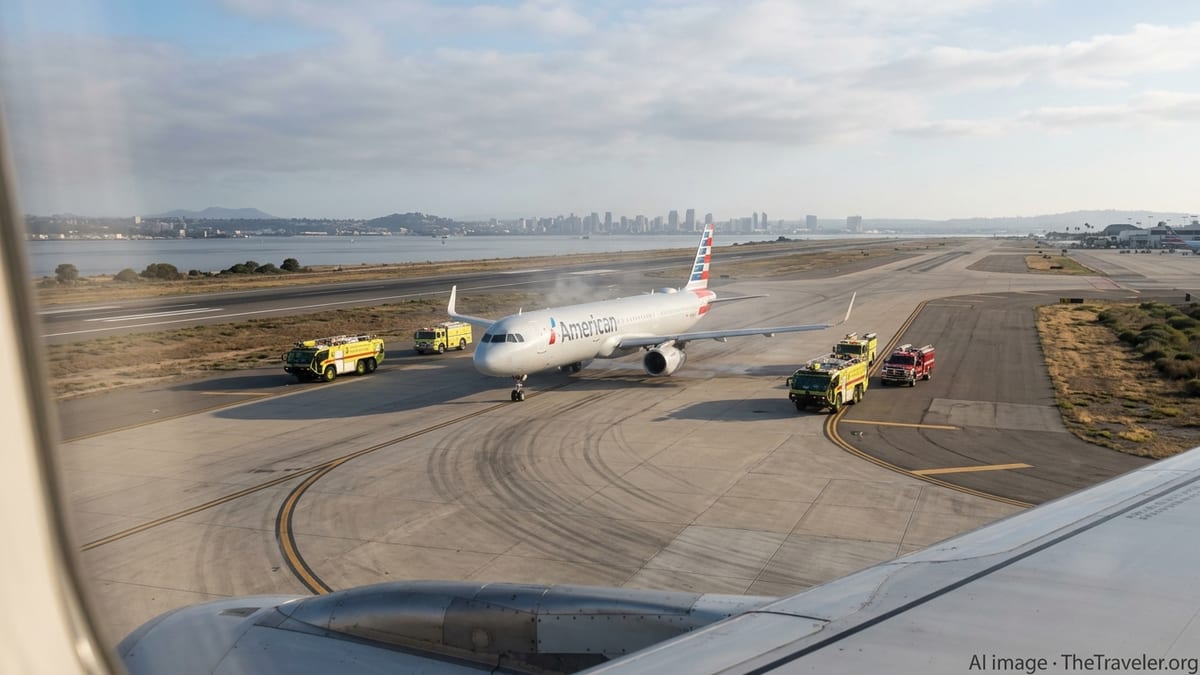
Publicly available information from Japanese media and aviation monitoring platforms indicates that MH89, operated by an Airbus A350 on the Narita to Kuala Lumpur route, was accelerating for departure at Narita Airport when crew members detected an abnormality on one of the aircraft’s engines. Reports from the airport area describe a loud bang followed by visible black smoke from the left engine, prompting the flight crew to abort take-off.
Data shared by flight-tracking communities suggests the aircraft remained on the runway for a period as emergency protocols were enacted, before being able to vacate the runway under its own power. Airport fire and rescue services were dispatched in line with standard operating procedures for a suspected engine malfunction during take-off, although no subsequent fire was reported.
Runway operations at Narita were temporarily constrained as inspections were carried out, causing delays for other departures and arrivals. Timely clearance of the runway limited the broader operational impact, but some knock-on delays on mid-morning traffic were reported by local travel and aviation outlets.
There were no injuries reported among the approximately 160 passengers and crew on board. The incident remained contained to the aircraft and runway area, and the airport continued operating once safety checks were completed.
Malaysia Airlines confirms cancellation and technical issue
According to information released through Malaysia Airlines’ public channels and echoed across regional news coverage, the airline confirmed that flight MH89 from Tokyo Narita to Kuala Lumpur on 20 August was cancelled due to a technical issue. The description of the occurrence is consistent with a significant engine-related problem discovered during the high-speed phase of the take-off run.
The airline categorised the matter as a technical event and did not indicate any security or weather-related cause. The aircraft involved is part of Malaysia Airlines’ A350-900 fleet that routinely serves long-haul and key regional routes, including the high-demand Tokyo–Kuala Lumpur sector frequented by both business and leisure travellers.
Public statements emphasised that safety remained the primary consideration in the decision to cancel the sector. The technical nature of the problem, particularly during take-off when aircraft systems are under maximum stress, meant that continuing the flight was not considered permissible under operational and regulatory standards.
The cancelled service adds to a pattern of operational challenges that have periodically affected the carrier’s Japan routes in recent years, although such high-profile technical incidents during the take-off phase remain relatively rare compared with routine weather or flow-control delays.
Runway disruption and impact on Narita operations
Reports from Narita Airport’s information channels and Japanese news outlets indicate that the rejected take-off prompted a temporary runway closure. This is standard practice when an aircraft experiences an engine anomaly at high speed, as debris, fluid leaks or tyre damage must be ruled out before normal traffic can resume.
Several flights scheduled to depart in the mid-morning window from Narita experienced minor to moderate delays while inspections were carried out. Arrival flows were also adjusted, with air traffic controllers sequencing inbound aircraft onto alternative runways where possible. The prompt removal of MH89’s aircraft from the active runway helped to contain the disruption.
Operational updates shared by local aviation observers suggest that normal runway capacity was largely restored within a relatively short time frame, preventing a full cascade of delays across the day’s schedule. However, some passengers on connecting itineraries through Narita reported extended journey times as airlines re-timed departures to absorb the disruption.
Narita Airport has procedures designed for such events, particularly on widebody international departures. The incident serves as another reminder of how a single technical issue on a long-haul aircraft can briefly constrain a major hub’s capacity despite no injuries or structural damage being reported.
Passenger reaccommodation and traveller options
With MH89 unable to continue to Kuala Lumpur, Malaysia Airlines initiated reaccommodation for affected passengers using a combination of later departures, rebookings on partner airlines and hotel arrangements where necessary. Information posted on social media by travellers and aviation enthusiasts points to passengers being moved to subsequent Malaysia Airlines services or alternative routings via regional hubs.
Some travellers reported longer-than-expected waits at Narita as new itineraries were arranged, reflecting the relatively high load factors commonly seen on the Tokyo–Kuala Lumpur route. Same-day options were limited by seat availability during the busy late-summer travel period, leading to overnight stays for a portion of the passenger group.
Consumer-rights guidance in both Japan and Malaysia typically recommends that passengers experiencing a cancellation due to technical problems document all out-of-pocket expenses and keep records of boarding passes and booking confirmations. While specific compensation entitlements vary by jurisdiction and ticket type, many carriers provide meal vouchers, hotel accommodation and rebooking at no additional fare in such circumstances.
Travel advisers also encourage passengers to review their travel insurance policies, as some plans offer additional coverage for delays and cancellations arising from mechanical issues, including reimbursement for missed connections or prepaid activities at the destination.
Spotlight on safety, maintenance and reliability
Published commentary around the incident has renewed focus on Malaysia Airlines’ recent operational reliability and its approach to fleet maintenance. The airline, part of Malaysia Aviation Group, has been working to balance rising travel demand with aircraft availability and scheduled heavy maintenance, particularly on its widebody fleet.
Aviation analysts note that modern jet engines are designed with multiple layers of redundancy, and that rejected take-offs in response to unusual indications, noises or smoke are a key part of maintaining safety margins. In that context, the decision to halt MH89’s departure and cancel the flight is viewed in industry discussions as an example of the system functioning as intended, despite the inconvenience to passengers.
Regulators and airlines typically require detailed technical inspections after any suspected engine malfunction at high power settings. Such reviews can keep an aircraft grounded for an extended period while components are examined, data logs are scrutinised and replacement parts are ordered, which in turn can lead to short-term schedule adjustments on affected routes.
For travellers, the MH89 cancellation underscores the importance of allowing sufficient buffer time for critical connections and of monitoring flight-status updates on the day of travel. While serious technical interruptions remain uncommon compared to the overall number of daily flights between Japan and Southeast Asia, the incident at Narita highlights how quickly routine departures can be disrupted when safety systems detect even a single anomaly.