


More news on this day
Passengers travelling through London Gatwick on Saturday, July 4 are being advised to check their flight status frequently, as a combination of recent thunderstorms, residual air traffic control constraints and wider European disruption continues to generate delays and scattered cancellations across the airport’s busy summer schedule.
Get the latest news straight to your inbox!
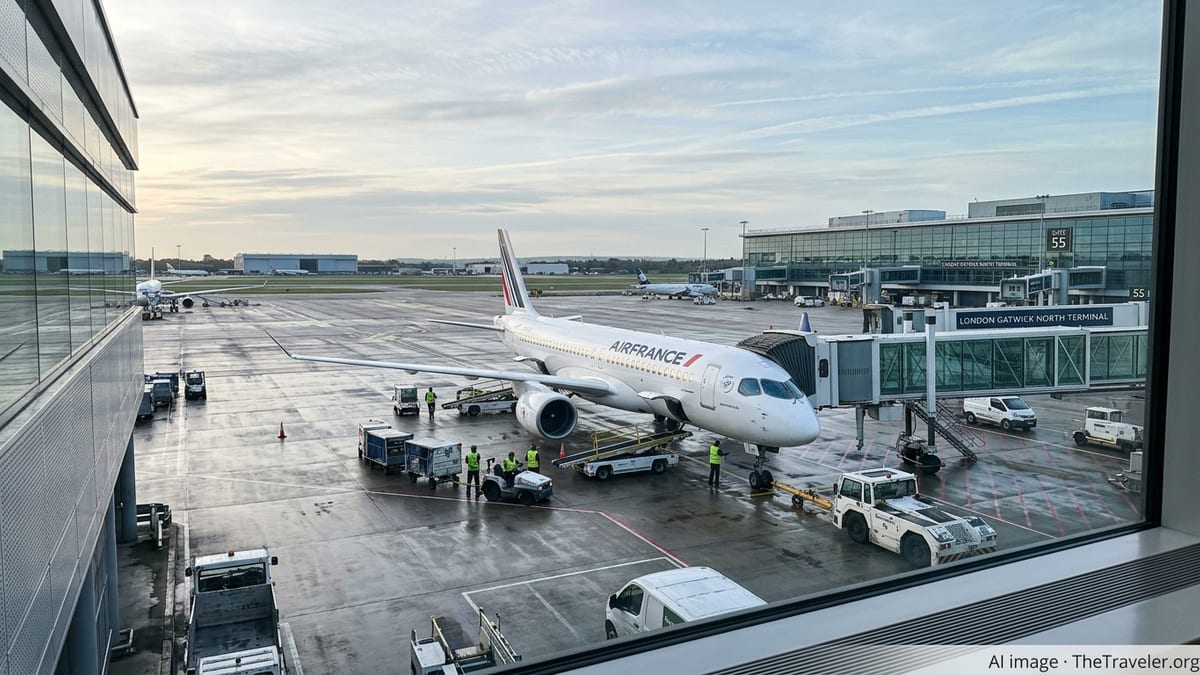
Storm fallout and busy summer traffic weigh on operations
Published coverage of the past week’s weather across south east England indicates that intense thunderstorms recently disrupted flight programs at Heathrow and Gatwick, with some services reportedly delayed by several hours and a number of rotations cancelled. Although conditions over London and the South East on July 4 are described in official forecasts as more settled and seasonally warm, airports are still working through aircraft and crew imbalances created by earlier storms and air traffic control restrictions in surrounding European airspace.
Gatwick enters the first weekend of July at or near full summer capacity, a period traditionally marked by very high passenger volumes on leisure routes to Spain, Greece and Turkey. Historical traffic information and expert commentary about the airport’s operations show that peak congestion typically occurs during the morning and late afternoon, making any residual disruption more visible to travellers. Even modest schedule changes can cascade during these peak periods, pushing departure times back and compressing turnaround margins for inbound aircraft.
In addition to local constraints, European aviation data and travel-industry analysis for Saturday, July 4 point to more than two thousand flight delays and close to one hundred cancellations across major hubs on the continent. This broader pattern matters for Gatwick because many of its aircraft and crews are operating multi-sector diagrams that rely on punctual arrivals from other European airports. When those earlier legs are affected by storms, congestion or capacity limits, later departures from Gatwick can be held or retimed.
Delays across short haul leisure routes
Short haul departures from London Gatwick to Mediterranean destinations are bearing much of the strain on July 4. Publicly available schedules for services to popular holiday points such as Tenerife and Antalya show largely intact timetables, but with a growing number of flights operating off-slot or subject to minor holding before take off. Aviation tracking platforms describe many of these services as departing later than their published times, even when they remain technically classed as operating.
Travel-industry reports suggest that airlines at Gatwick are focusing on preserving core holiday departures, sometimes at the expense of trimming frequency or consolidating capacity where load factors allow. This strategy helps to avoid leaving large numbers of passengers stranded at the start of peak vacation weeks, but it can also increase the likelihood of late-running rotations as aircraft are kept in service for longer days. When one flight departs Gatwick behind schedule, the knock-on effect can reach several subsequent sectors.
Passengers on affected routes are reporting longer queues at check in and security during the busiest times of day, as well as crowded gate areas while they wait for updated boarding information. Although the majority of flights are still getting away, many are doing so later than originally planned, increasing the risk of missed connections at downline airports and shortening available time at resorts for those on short breaks.
Scattered cancellations and aircraft reassignments
Alongside delays, scattered cancellations are appearing in Saturday’s Gatwick movements, often linked to aircraft positioning or operational recovery plans that stretch across several days. Airline operations manuals and airport conditions of use documents show that carriers are expected to prioritise safety and regulatory crew limits, which can result in last-minute withdrawal of services where rosters have already been stretched by earlier disruption.
Some cancellations relate to flights operating to or from countries experiencing their own strike action or capacity constraints, particularly where local air traffic control staffing or industrial disputes are affecting specific sectors of airspace. While Gatwick itself is not currently the focus of strike activity, aircraft scheduled to arrive from affected regions can be heavily delayed or cancelled outright, leaving gaps in the outbound schedule that may only become apparent close to departure time.
Where services are removed from the schedule, airlines are generally rebooking passengers onto later departures from Gatwick or rerouting via alternative London airports where spare seats are available. However, at the height of the summer season, spare capacity is often limited, increasing the likelihood that some travellers will be re-accommodated by chartering additional aircraft or by shifting travel to the following day.
Knock-on impacts for rail links and onward travel
The impact of airside disruption at Gatwick is being compounded for some passengers by variable conditions on surface transport links across the wider South East. Rail operators serving Gatwick have previously warned of the risk of cancellations and delays during periods of infrastructure stress or multiple incidents on key corridors, and travellers on July 4 are being reminded that longer journey times to and from the airport remain possible, particularly during busy hours.
When flights depart or arrive significantly late, passengers can miss onward rail connections from Gatwick Airport station or from central London termini, forcing them to wait for later trains or switch to taxis and private hire vehicles. This can be especially challenging late in the evening, when service frequencies on some routes fall and demand for road transport rises. As with the airside situation, small timetable changes can combine to create noticeable disruption for those trying to complete multi-stage journeys.
Travel planners note that the concentration of delays in the late afternoon and evening periods can lead to crowding on the platforms serving Gatwick-bound and London-bound services. Even when timetables are holding, any earlier gaps in the pattern can push more passengers onto the following trains, increasing the time required to board and disembark and contributing to minor knock-on delays.
Advice for passengers using Gatwick on July 4
Consumer guidance published by airlines, airports and travel agencies in recent months has consistently stressed the importance of checking real-time flight status on the day of travel, particularly during the peak summer period. For Saturday, July 4, passengers using Gatwick are being encouraged to monitor their airline’s app or notification channels from several hours before departure, and to pay close attention to any gate or boarding-time changes posted within the terminal.
Given the current combination of residual storm impacts, broader European congestion and high holiday demand, many carriers advise arriving at the airport earlier than the minimum recommended check in time, especially for those with checked baggage or travelling with young children. Extra time can provide a buffer against unexpected queues at security or passport control and reduce the stress associated with last-minute gate changes.
Travel experts also note that passengers whose flights are significantly delayed or cancelled should retain boarding passes, booking confirmations and any receipts for meals or accommodation obtained during the disruption. These documents are often required when seeking refunds, compensation or reimbursement of reasonable expenses under applicable air passenger rights frameworks, even when the root causes of delay lie with weather or air traffic control conditions beyond the control of individual airlines.