


More news on this day
American Airlines experienced a widespread computer outage on July 28 that triggered a brief nationwide ground stop, disrupting hundreds of flights across the United States and stranding passengers at major hubs including San Francisco International Airport.
Get the latest news straight to your inbox!
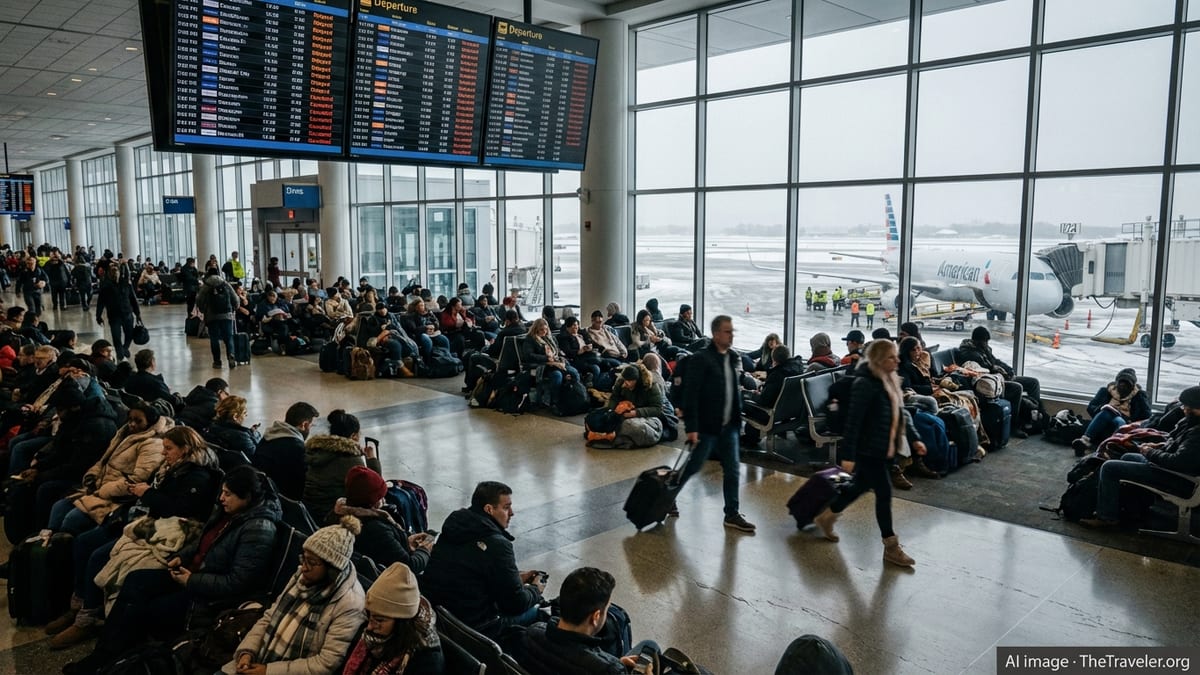
Nationwide IT failure triggers brief FAA ground stop
Publicly available aviation advisories and published coverage indicate that a technical failure in American Airlines’ information systems on Tuesday, July 28, led to a temporary halt in departures for the carrier across the United States. The Federal Aviation Administration issued a brief ground stop affecting American and its regional affiliates, limiting takeoffs to flights already in the air until systems could be brought back online.
According to multiple news reports, the disruption began in the late afternoon Central Time and quickly cascaded through American’s network, which operates thousands of daily flights and relies heavily on centralized scheduling and check-in platforms. The outage affected airport departure control, gate and boarding systems, and access to booking tools used by both customers and staff.
By the evening, the airline reported that the core technical issue had been resolved, but residual delays continued across the network as aircraft and crews remained out of position. Industry data and traveler accounts suggest that while most flights eventually resumed operations, many faced multi-hour delays or missed connections, and some evening services were cancelled outright.
Travelers at San Francisco face long lines and extended waits
San Francisco International Airport, one of American’s key West Coast stations, experienced significant knock-on effects as the outage unfolded. Passenger accounts shared on public forums described flight information displays for American going blank or freezing, boarding being paused, and long queues at ticket counters as staff switched to manual procedures.
Some travelers reported waiting on parked aircraft at San Francisco for extended periods while crews awaited clearance to depart, reflecting national restrictions tied to the system disruption. Others described being asked to leave aircraft after initial boarding or being rebooked onto later flights as the carrier worked through operational backlogs.
Tracking data from flight information services showed a pattern of delayed departures and arrivals for American’s routes into and out of San Francisco throughout the evening period. While some transcontinental services ultimately departed with significant delays, regional and connecting flights were more likely to be canceled as the airline prioritized longer-haul operations once systems were restored.
Ripple effects across hubs and regional partners
The outage’s impact was amplified at major American Airlines hubs such as Dallas Fort Worth, Charlotte, Miami, and Chicago, where a high volume of connecting traffic depends on tightly sequenced flight banks. Reports from passengers and airport workers in those cities depicted crowded gate areas, departure boards filled with delays, and congested customer service lines as travelers sought rebooking options.
Regional affiliates operating under the American Eagle brand were also affected, since they rely on the same core IT infrastructure for dispatch, passenger check-in, and flight releases. As a result, disruption extended to smaller airports that may see only a handful of American-operated flights each day, leaving some travelers with limited same-day alternatives.
Operational data suggests that even after the immediate technical fault was corrected, the mismatch between available crews, aircraft locations, and scheduled services led to further cancellations and rolling delays into the late evening. Aviation analysts note that such disruptions can take a full operating day or more to fully unwind, particularly when they occur late in the afternoon or evening peak.
Context of growing concern over airline tech reliability
The American Airlines outage comes amid heightened scrutiny of the aviation industry’s dependence on complex digital systems. In recent years, other large carriers and technology providers have experienced high-profile IT incidents that temporarily grounded flights or caused widespread cancellations, prompting questions about redundancy and resilience in critical infrastructure.
Published analyses of previous airline disruptions have highlighted how a single point of failure in reservation, crew scheduling, or departure control systems can cascade quickly through a carrier’s network. With hub-and-spoke operations designed around precise timing, even a short outage can leave aircraft and crews scattered across the system, complicating recovery efforts and increasing costs.
Industry observers point out that while airlines have invested heavily in new digital tools for customers and operations, integrating these platforms with older legacy systems remains a challenge. Events such as the latest American outage are likely to reinforce calls from regulators, policymakers, and consumer advocates for stronger safeguards and clearer contingency planning when core systems fail.
Advice for affected and upcoming travelers
Travel experts and consumer advocates typically recommend that passengers caught in large-scale disruptions stay closely informed through multiple channels, including official airline status tools and airport departure boards. During the American Airlines outage, travelers who monitored rebooking options early and who were flexible about routing appeared more likely to secure alternative flights.
For travelers with upcoming trips on American in the days following the outage, publicly available guidance suggests checking flight status frequently, especially on routes involving tightly timed connections or late-evening departures. Even after systems are restored, residual delays may persist as airlines reposition aircraft and crews.
Passengers whose trips were significantly disrupted can review the airline’s published policies regarding rebooking, refunds, and meal or hotel assistance, which vary based on the cause of irregular operations and local regulations. Consumer organizations advise documenting expenses and keeping records of communications with carriers, as this can be important if travelers seek compensation or reimbursement at a later date.