


More news on this day
An American Airlines flight operating between Miami and New York LaGuardia diverted to Philadelphia International Airport mid-route, drawing attention to how quickly routine domestic trips can change and what that means for passengers caught in the disruption.
Get the latest news straight to your inbox!
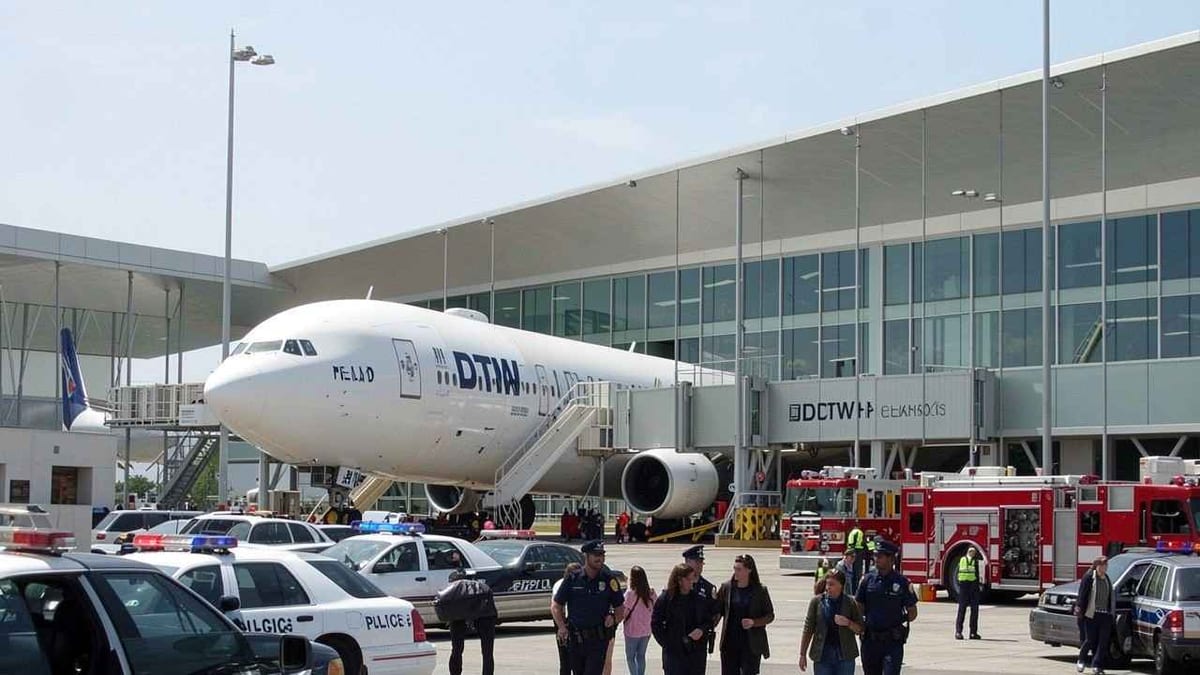
What Is Known About Flight AAL3256’s Diversion
Publicly available flight-tracking and schedule data show that American Airlines flight AAL3256 is a regularly scheduled domestic service between Miami International Airport and New York’s LaGuardia Airport, typically operated by a Boeing 737-800 series aircraft. On the affected date, the aircraft departed Miami as planned but did not continue on to LaGuardia, instead diverting en route to Philadelphia International Airport.
Data from flight-information services indicate that the aircraft descended and landed safely in Philadelphia after the diversion was initiated. As is common in such events, real-time feeds reflect the change in destination, updated arrival time, and subsequent ground status, but do not always list a detailed reason for the operational change.
Early indications suggest that the diversion was categorized as an operational disruption rather than a severe in-flight emergency. In similar cases, contributing factors can include developing weather systems along the route or near the destination, congestion and air-traffic management constraints in the New York area, crew duty-time limits, or aircraft-related checks that are more easily managed at an alternate hub.
American Airlines has not published a detailed incident-specific summary beyond standard flight-status updates, which typically describe diversions and delays in broad terms. As a result, passengers and observers are relying on flight trackers, airline travel alerts, and general policy documents to understand the context of the diversion and its implications.
How Airlines Decide to Divert a Domestic Flight
Operational disruptions that lead to diversions are typically shaped by a combination of safety and regulatory requirements. Airline operations centers monitor weather radar, air traffic control programs, airport conditions, and crew duty-time limitations and can instruct pilots to divert if continuing to the planned destination could create safety concerns or regulatory non-compliance.
Weather remains one of the most common drivers of route changes in the busy Miami to New York corridor. Thunderstorms along the Eastern Seaboard, low visibility, or ground stops in the New York airspace can significantly reduce the flow of arrivals into LaGuardia. In such situations, airlines sometimes opt to divert to airports like Philadelphia that have available gates, maintenance support, and onward connection options.
Crew duty-time limits can also play a role. Federal regulations cap how long flight crews can be on duty before they must take rest. If delays departing Miami or holding patterns near New York make it likely that a crew will exceed those limits, a diversion to a nearby hub can help avoid a situation where the crew times out in the air or at a highly congested airport with limited resources.
Onboard technical issues, even relatively minor ones, may prompt a diversion to an airport where the airline has stronger maintenance capabilities. While flight-tracking records often list these events under broad categories, the underlying decision-making is structured around safety and regulatory compliance rather than schedule convenience.
What Passengers on Affected Flights Can Expect
For passengers on AAL3256 and similar diverted flights, the immediate experience often begins with an in-flight announcement that the destination is changing. Once on the ground at the diversion airport, travelers typically remain on board during an initial assessment, then either deplane into the terminal or continue on the same aircraft if conditions quickly improve and the flight can be re-dispatched.
When a diversion results in a prolonged ground stop or outright termination of the original flight, rebooking becomes the priority. Airline agents at the diversion airport and customer service teams accessible via mobile apps and call centers generally work in parallel to secure onward options, whether that means continuing to LaGuardia later that day, rerouting to another New York–area airport, or arranging flights the following day.
Accommodation and meal support depend on the cause of the disruption and the airline’s policies. In many cases where weather or broader air-traffic constraints are cited, U.S. carriers classify the event as outside their control, which can limit the scope of hotel or voucher assistance. When the disruption is tied to an issue within airline control, such as some types of maintenance or crew scheduling challenges, carriers may offer more tangible support, though specific arrangements vary by case and by airline.
Passengers with checked baggage on a diverted flight may see their luggage routed either to the original destination or to the diversion point, depending on how the operation unfolds. Airport information screens and the airline’s baggage-tracking tools are often the fastest way to determine where bags are headed and whether retrieval at the diversion airport is possible.
Rights and Protections for U.S. Airline Passengers
Under U.S. regulations, passenger rights in diversion scenarios differ from those in some international regimes. The Department of Transportation’s rules focus on safety, tarmac delays, and transparency, but they do not require automatic financial compensation for delays or diversions, even on domestic routes like Miami to LaGuardia that experience significant disruption.
Airlines publish their own customer service plans and contracts of carriage, which spell out what travelers can expect in various irregular operations. These documents generally affirm that the carrier will attempt to transport passengers to their ticketed destination at the earliest opportunity, often on the next available flight with open seats, and sometimes via another airport in the same metropolitan area.
For diversions that trigger extended tarmac waits, U.S. rules limit how long passengers can be kept on an aircraft without an opportunity to deplane, barring safety or security constraints. Carriers must also provide access to water, snacks, and functioning lavatories after a certain amount of time. These protections apply regardless of whether the aircraft ultimately continues to the original destination or passengers are re-accommodated on new services.
Travel insurance and premium credit card protections may provide additional recourse beyond what airlines commit to in their own policies. Coverage terms vary, but some products reimburse reasonable expenses for hotels, meals, and ground transportation when delays or diversions exceed specified thresholds, even when the airline frames the disruption as outside its control.
Practical Steps for Travelers Facing Mid-Route Diversions
For passengers on flights like AAL3256, preparation and rapid use of digital tools can make an unexpected diversion more manageable. Keeping the airline’s mobile app installed and logged in allows travelers to receive push notifications about gate changes, rebooking options, and updated boarding passes, often before long lines form at service desks.
Once a diversion is announced or suspected, checking flight-status pages and airport information displays can clarify whether the aircraft is expected to continue to the original destination or if a new itinerary will be necessary. If rebooking is required, using multiple channels simultaneously, such as in-app self-service combined with contact-center support, can improve the odds of securing earlier connections, particularly on busy routes into New York.
Passengers with tight onward connections, time-sensitive commitments, or accessibility needs should document their circumstances and keep receipts for any out-of-pocket expenses related to the disruption. After travel is complete, submitting a concise, factual account through the airline’s customer-relations form, referencing the specific flight number and date, can support requests for goodwill gestures like travel credits or fee waivers.
While diversions such as the AAL3256 Miami to LaGuardia flight into Philadelphia can be frustrating and disorienting, they also illustrate how complex domestic air travel has become in crowded corridors. Understanding how these operational decisions are made, what policies apply, and which tools are available can help travelers navigate an unexpected landing with greater confidence.