


More news on this day
Britons heading overseas for summer holidays are being urged to review up to date travel advice, health alerts and insurance terms, as fresh warnings highlight a mix of security risks, extreme weather and tighter conditions that could affect trips abroad in the coming weeks.
Get the latest news straight to your inbox!
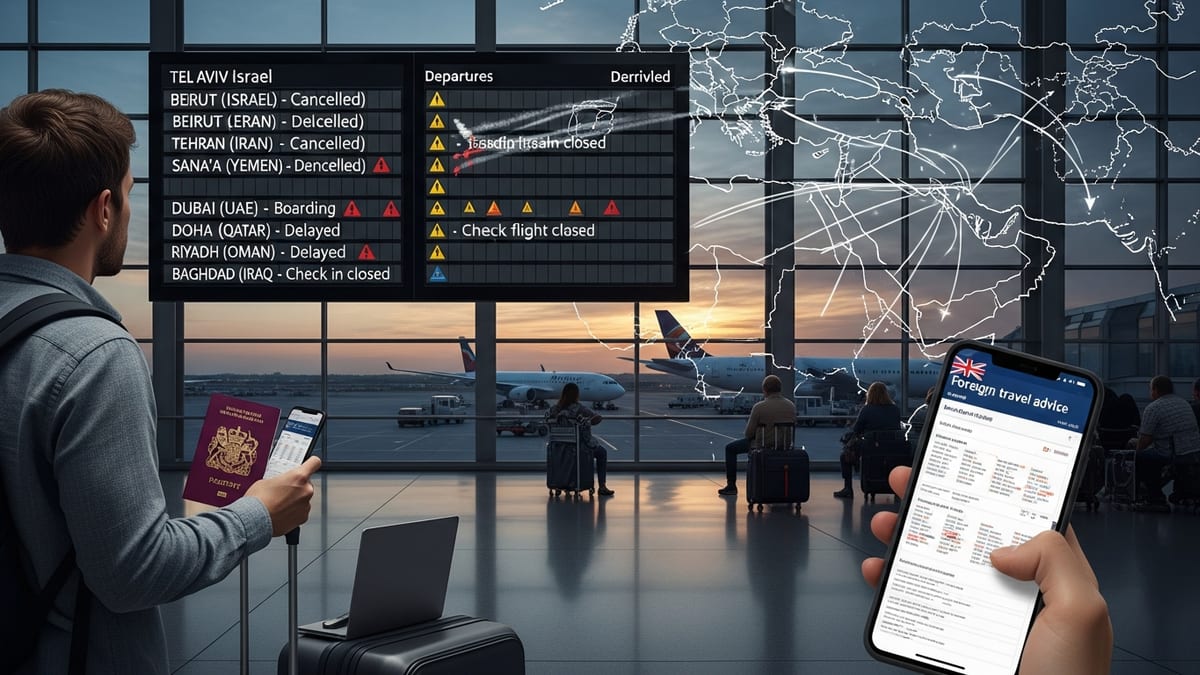
Updated Foreign Office advice tightens focus on risk
Recent updates to Foreign, Commonwealth and Development Office (FCDO) country pages underline that travel conditions remain volatile in several destinations popular with UK holidaymakers, even as international tourism continues to rebound. Publicly available information shows that the FCDO currently advises against all travel or all but essential travel to a number of countries and regions because of conflict, terrorism and civil unrest.
The latest changes, highlighted in recent coverage of FCDO updates, include renewed warnings around parts of the Middle East and Eastern Europe, with some areas designated no go for leisure travel. Separate government travel-security assessments and national risk registers reiterate that ignoring such advisories can have practical consequences for travellers, including reduced access to consular help in the most dangerous locations.
Industry commentary also notes that some countries have seen their risk profiles shift quickly, with advice altered at short notice in response to security incidents or political tension. Holidaymakers are being reminded that a destination that looked straightforward to visit when a trip was booked earlier in the year may now carry different safety considerations.
For families planning summer breaks, the core message is to check the official FCDO country page before booking and again immediately before departure, rather than relying on outdated assumptions or word of mouth.
Insurance cover at risk if warnings are ignored
Alongside the latest travel advisories, consumer bodies and travel-law specialists are drawing attention to the fine print of many standard travel insurance policies. Reports indicate that travelling to a destination, or specific region within a country, where the FCDO advises against all or all but essential travel can invalidate key sections of cover.
In practice, this can mean that medical expenses, emergency evacuation, personal liability and in some cases cancellation or curtailment may not be paid if a traveller has chosen to visit an area that is subject to a strong government warning. Several recent case studies highlighted in UK media coverage describe holidaymakers discovering only after an incident that their claims were rejected because of the advisory level in place when they travelled.
Travel companies are being encouraged through industry guidance to signpost official FCDO advice more clearly at the point of sale, but responsibility ultimately rests with travellers to make sure their plans align with both government guidance and insurance terms. Experts in the insurance sector recommend obtaining written confirmation from insurers if there is any doubt about whether a planned itinerary is covered.
For those who still choose to proceed with higher risk trips, specialist policies may be available, but these typically come with higher premiums and more restrictive conditions. The broader warning for summer 2026 is that failing to check advisory levels could turn a relatively minor incident abroad into a major financial shock.
Heatwaves and health alerts reshape summer travel
This summer’s warnings for British travellers are not limited to security issues. A series of recent heat health alerts issued across parts of Europe and beyond has drawn attention to the growing impact of extreme temperatures on holiday plans. Meteorological agencies and health authorities are signalling that prolonged periods of very hot weather are increasingly likely across the Mediterranean and other popular beach destinations during the peak season.
Reports indicate that some countries have already activated multi day heat alerts, with public health bodies advising residents and visitors to reduce outdoor activity during the hottest hours, stay hydrated and pay particular attention to vulnerable groups such as young children, older people and those with existing medical conditions. In previous heatwaves, hospitals in several tourist regions reported spikes in admissions linked to heat stress and dehydration.
Travel health specialists emphasise that high temperatures can also disrupt transport systems, from flight delays and airport congestion to wildfires affecting road and rail links. Recent seasons have seen evacuation operations from resorts affected by fires, underlining the need for travellers to monitor local information channels once in destination.
For UK holidaymakers, the emerging pattern means considering heat resilience when choosing where and when to travel, checking whether accommodation has adequate cooling and being prepared to adjust daily plans if local authorities escalate heat alerts while they are abroad.
Passport rules, strikes and disruption add further complications
In addition to safety and climate related concerns, logistical issues are forming a significant part of this summer’s warning picture. Guidance published by consumer organisations and travel associations stresses that travellers should carefully check passport validity rules for their chosen destination, particularly within Europe’s border free Schengen area, where specific requirements on issue and expiry dates can apply.
In recent years, thousands of British travellers have faced denied boarding or entry because their passports did not meet minimum validity rules, despite not having technically expired. Coverage of these incidents has prompted renewed calls for clearer communication at the time of booking, but official advice continues to recommend allowing ample validity beyond the intended date of return.
Labour disputes and capacity issues across parts of the aviation and rail sectors also remain a concern. While the pattern of strike action and staffing shortages varies by country, published reports ahead of the main holiday period point to the possibility of short notice disruption at airports, on some ferry routes and within local public transport networks serving major tourist cities.
Travellers are therefore being encouraged to build in extra time for airport procedures, keep contact details for their airline or tour operator readily available and consider flexible booking options where possible. Travel experts note that purchasing cover for missed departure and travel disruption, and paying close attention to what circumstances are included, can provide an additional layer of protection.
Practical steps for Brits preparing to travel this summer
Publicly available guidance from government agencies, insurers and travel bodies converges on a series of practical actions for anyone planning an overseas holiday in the coming months. First, travellers are advised to review FCDO country advice and any destination specific health notices before committing to a booking, and to sign up for email updates where available so that significant changes are flagged automatically.
Second, holidaymakers are encouraged to take out comprehensive travel insurance at the time of booking rather than waiting until just before departure. Policies should be checked for medical cover limits, exclusions linked to official travel advisories, and provisions for cancellations or delays caused by strikes, natural disasters or civil unrest.
Third, with extreme heat and other climate related events now featuring more prominently in official risk assessments, travellers may wish to factor seasonality and local infrastructure into their destination choices. Simple measures such as ensuring access to shade and air conditioning, planning activities around cooler parts of the day and having contingency plans if outdoor attractions close can make trips safer and more enjoyable.
The overarching summer message to British holidaymakers is that international travel remains possible and popular, but requires more preparation than in the past. By combining up to date official advice with realistic expectations about disruption and a careful reading of insurance terms, travellers can reduce the chance that fresh warnings translate into unwanted surprises once they are already abroad.