


More news on this day
A Delta Connection service operated by Endeavor Air between Greensboro and New York made an unscheduled landing at Harrisburg International Airport, drawing attention to how regional flights across the Northeast handle mid-route operational disruptions and what passengers can expect when their aircraft diverts away from its intended destination.
Get the latest news straight to your inbox!
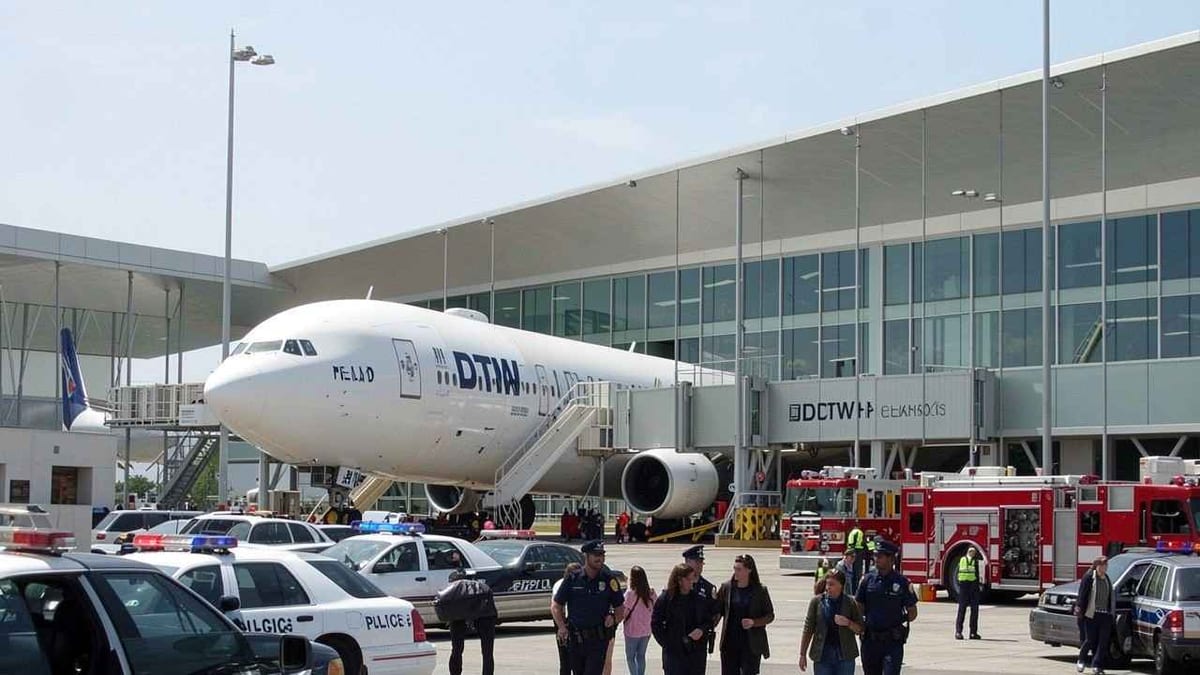
What Is Known About Delta Flight EDV5125’s Diversion
Publicly available flight tracking data indicates that Endeavor Air flight EDV5125, operating for Delta Air Lines with a Mitsubishi CRJ 900LR regional jet, departed from Piedmont Triad International Airport in Greensboro on a scheduled service bound for the New York area. Instead of continuing to its planned destination, the regional jet altered course and landed at Harrisburg International Airport in central Pennsylvania.
Reports from flight tracking platforms typically show such diversions in real time as route traces that bend away from the original flight plan, with the aircraft listing an unexpected arrival airport code. In this case, the aircraft appears to have been routed to Harrisburg, where it completed its landing after leaving North Carolina airspace and entering the mid-Atlantic corridor.
As of early July 2026, there have been no widely circulated official bulletins explaining the detailed cause of this particular diversion. Available data instead points to the broader pattern of summertime operational challenges in the Northeast, including congestion around New York airspace, thunderstorms, and tight turnaround schedules for regional jets.
For travelers on board, a diversion like this often means a longer travel day and revised ground or air connections, even when the flight lands safely and the aircraft itself remains in serviceable condition.
Why Regional Flights Divert Mid Route
Industry data and recent media coverage suggest that diversions involving regional jets such as the CRJ 900LR frequently stem from a mix of weather, traffic flow initiatives around major hubs, and internal operational constraints. The New York region is particularly prone to air traffic management programs during peak periods, which can include holding patterns, reroutes, and, in some cases, diversions to airports with available landing slots and gate space.
Thunderstorms along the Eastern Seaboard in summer are another major factor. Convective weather cells can form along common flight paths between the Carolinas and New York, prompting crews and dispatchers to adjust routing, change altitude, or, when conditions or fuel planning make continued holding impractical, select a suitable alternate airport.
Operational needs on board can also trigger a diversion. These range from minor technical issues that are easier to assess on the ground to crew duty-time limits that make it impractical to continue to the original destination under existing delays. In such scenarios, a mid-sized regional airport like Harrisburg can serve as a convenient alternate, with sufficient runway length, air traffic control support, and basic passenger handling facilities for a 76 to 79 seat regional jet.
While passengers may perceive any diversion as a sign of major problems, airline safety management frameworks generally encourage conservative decisions. Landing early at an alternate field is often a precautionary choice that prioritizes fuel reserves, crew alertness, and weather avoidance rather than an indication of severe mechanical trouble.
Why Harrisburg International Airport Was a Logical Alternate
Harrisburg International Airport, designated MDT, sits along key east coast flight corridors between the Southeast and the New York metropolitan area. The airport is large enough to accommodate narrowbody and regional jet operations, but smaller and often less congested than the major coastal hubs that dominate Northeast air traffic.
Publicly available airport performance statistics indicate that Harrisburg typically records a solid on time performance rating, with the majority of flights departing and arriving close to schedule. For an airline facing a potential holding pattern or extended delay near New York, diverting to an inland airport with reasonably predictable throughput can be an appealing option for both operational and passenger comfort reasons.
The airport’s layout and runway infrastructure are well suited to handle aircraft like the CRJ 900LR. Harrisburg functions as a regional node served by several major U.S. carriers, which means that ground handling, fuel services, and basic maintenance support are generally available to accommodate an unexpected arrival and subsequent departure.
From a passenger perspective, Harrisburg also offers access to interstate highways and regional rail and bus networks, providing alternative travel options if onward flights are significantly delayed or if rebooking opportunities are limited late in the travel day.
What Passengers Typically Experience During a Diversion
When a regional jet diverts, cabin crews typically work within standard operating procedures designed for irregular operations. Pilots and flight attendants receive updates from airline operations centers and relay general information to passengers once the diversion decision is confirmed, though they may not always share granular technical details.
Upon landing at an alternate airport such as Harrisburg, the aircraft is usually parked at a gate or a remote stand where ground handlers can assist. Passengers may remain onboard briefly while the airline confirms whether the flight can continue to its original destination with the same aircraft and crew, or whether a full deplaning and rebooking process will be required.
If the diversion is driven mainly by weather or airspace congestion, airlines sometimes wait at the alternate field until conditions improve, then depart again for the intended destination when a new slot becomes available. In other situations, the carrier may cancel the remaining leg and instead move passengers to later flights, buses, or, for nearby cities, prearranged ground transport options.
Under U.S. Department of Transportation rules and airline customer commitments, factors such as the length of delay, whether the disruption is within the airline’s control, and whether passengers are away from their home airport can influence eligibility for meal vouchers, hotel accommodations, or partial reimbursements. Travelers affected by a diversion are generally advised to check each carrier’s specific policies and to review their booking details closely.
What This Event Means for Travelers on Regional Routes
The diversion of Endeavor operated Delta flight EDV5125 into Harrisburg highlights a reality of modern air travel along the densely used Northeast corridor. Even short regional hops can be affected by complex operational dynamics spanning multiple states, from weather systems and air traffic saturation to staffing and aircraft positioning needs.
For travelers flying between smaller regional airports and large metropolitan hubs, diversions like this underline the value of allowing extra time for connections, especially during peak summer and holiday periods. Building flexibility into itineraries and monitoring airline notifications through apps and text alerts can help passengers respond more quickly if their aircraft is rerouted mid flight.
The event also underscores the important role that mid-sized airports such as Harrisburg play in the broader U.S. aviation system. These facilities often act as pressure valves in times of congestion, absorbing diverted flights and helping carriers maintain overall network fluidity even when major hubs are under strain.
While diversions can be disruptive for those on board, they are also a reminder of the layered safety and operational frameworks governing commercial aviation. Decisions to land early at an alternate airport typically reflect a cautious approach that prioritizes controllable conditions on the ground over uncertain variables in crowded or weather affected airspace.