


More news on this day
Travelers departing Santa Fe for Chicago on American Eagle Flight AA6209 faced hours of disruption after the regional jet aborted its climb and returned to Santa Fe Municipal Airport, triggering a cascade of delays and missed connections for American Airlines passengers across the network.
Get the latest news straight to your inbox!
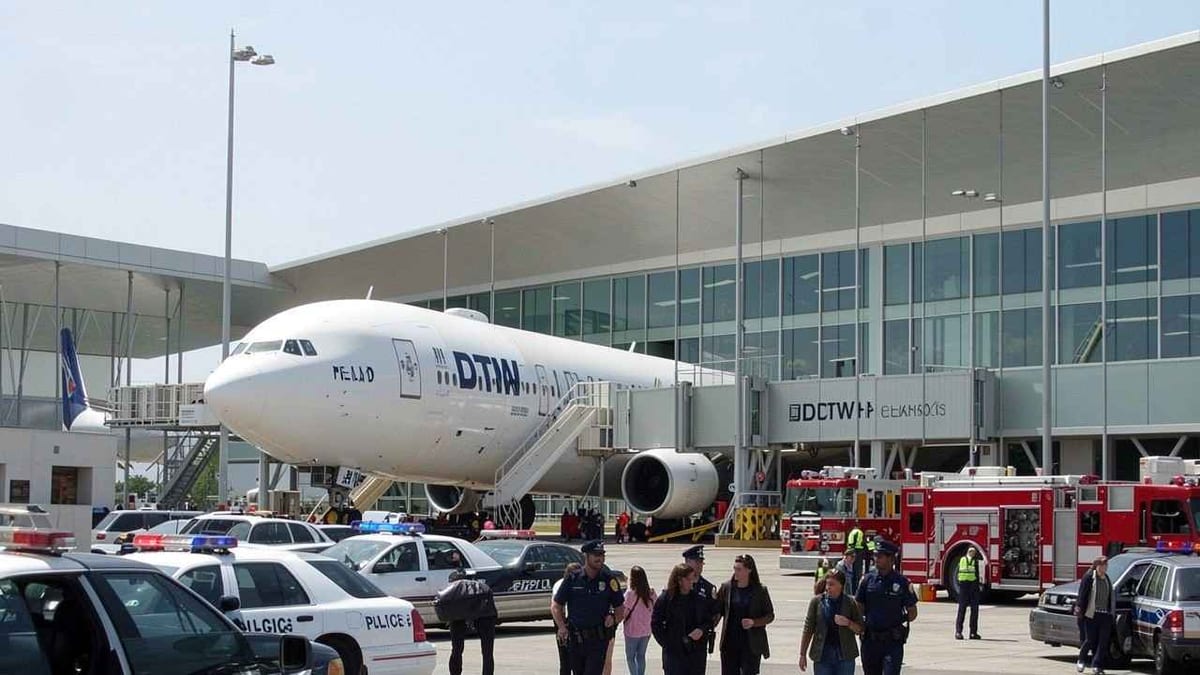
Regional Jet Turns Back Shortly After Departure
Publicly available flight-tracking data indicates that AA6209, operated by SkyWest Airlines under the American Eagle brand using a Bombardier CRJ-700ER, departed Santa Fe on schedule before halting its climb and turning back toward the airport. The aircraft leveled off at a relatively low cruising altitude compared with the planned profile for the route to Chicago and began a gradual descent back into northern New Mexico.
Reports from aviation-tracking platforms show the turnaround occurred within a short distance of Santa Fe, suggesting the crew detected an issue early in the flight. The jet subsequently landed back at Santa Fe without further incident, with no injuries reported among passengers or crew.
While specific technical details have not been formally disclosed, the CRJ-700ER is a long-serving workhorse of the U.S. regional fleet and is frequently used by SkyWest on medium-haul routes under code-share agreements for major carriers. American Airlines materials list the CRJ-700 as part of its American Eagle regional network via operating partners such as SkyWest, Envoy, PSA and others, underscoring how integral the type is on thinner routes linking smaller cities to big hubs.
Available operational data show that the aircraft was removed from service for further checks after the return, a standard practice when a crew requests an early diversion or emergency return and the issue cannot be resolved immediately at the gate.
Santa Fe Passengers Face Tight Capacity and Limited Options
The emergency return quickly exposed how vulnerable smaller markets can be when a single regional jet experiences an operational problem. Santa Fe’s commercial schedule is comparatively thin, and many long-haul connections for northern New Mexico travelers route either through Dallas Fort Worth or Chicago O’Hare on regional aircraft. When AA6209 failed to continue to Chicago, rebooking options were limited by seat availability on later departures and alternative airports.
Passenger accounts circulating on social channels describe long lines at the check-in counters as travelers sought new itineraries, with some opting to drive to Albuquerque’s larger international airport in search of same-day alternatives. With only a handful of daily departures linking Santa Fe to major hubs, even one cancelled or significantly delayed flight can ripple across an entire day’s schedule.
Recent schedule data for Santa Fe show a heavy reliance on regional jets, including CRJ variants, to connect the city with national hubs. Aviation industry analysis has repeatedly highlighted that smaller airports with limited frequencies face disproportionate disruption when a flight returns to origin, because there is often no spare aircraft or crew positioned locally to take over the route at short notice.
As a result, some Santa Fe travelers attempting to reach the Midwest and East Coast on the affected day reportedly encountered overnight delays or were rebooked on itineraries with multiple extra stops, including connections through Dallas, Phoenix or Denver, depending on alliance availability.
Knock-On Effects Across American’s Chicago Network
Because AA6209 was scheduled to feed American’s Chicago O’Hare hub, the disruption extended well beyond New Mexico. Passengers on the Santa Fe departure held onward tickets to destinations across the eastern United States and international points, meaning missed connections quickly cascaded through O’Hare’s afternoon and evening bank of flights.
Publicly visible booking and operations tools showed connection times being blown apart for itineraries that relied on a tight transfer in Chicago. With the incoming aircraft from Santa Fe unavailable, American’s network planners had to rely on remaining capacity from other feeder flights to fill outbound services, while also finding new routings for Santa Fe-originating passengers.
Industry observers note that hubs such as Chicago O’Hare are finely balanced systems, where a regional inbound cancellation can displace dozens of travelers across multiple onward flights. Network resilience has improved in recent years, but disruptions involving smaller spoke cities still create a surge in same-day rebooking demand for limited premium and main-cabin seats.
Travel data providers tracking real-time delays showed moderate knock-on congestion in certain parts of American’s Chicago schedule, particularly on domestic routes where aircraft were already operating near full capacity because of summer travel demand and constrained regional fleets.
Spotlight on SkyWest’s CRJ-700ER Fleet and Safety Record
The return of AA6209 has again drawn attention to the aging but still heavily used CRJ-700 and CRJ-900 families that form the backbone of many U.S. regional operations. Corporate filings from both American Airlines Group and SkyWest describe a regional strategy built around dual-class regional jets such as the CRJ-700 and CRJ-900, along with Embraer E175 aircraft, to connect secondary markets into major hubs.
Aviation safety databases and historical records show that events involving emergency returns or diversions are a known, though relatively rare, feature of commercial flying, particularly on regional aircraft that operate multiple short sectors per day. In the majority of cases, the incidents result in precautionary landings rather than serious outcomes, as flight crews are trained to err on the side of caution whenever an irregular indication appears in the cockpit.
SkyWest, which operates for American as well as Delta, United and Alaska, is among the largest regional carriers in North America by fleet size and daily departures. Publicly reported safety statistics for U.S. commercial aviation continue to show a very low rate of serious accidents, with regional affiliates generally matching the robust safety performance of their mainline partners.
While the precise cause behind AA6209’s return remains under review, aviation analysts emphasize that precautionary returns are evidence of safety protocols working as intended rather than a sign of systemic risk, particularly when crews respond quickly and the aircraft lands without injury or structural damage.
Advice for Travelers Navigating Regional Flight Disruptions
The disruption around AA6209 highlights several practical lessons for travelers using smaller airports and regional jets. Travel experts often recommend booking slightly longer connection windows when flying from secondary markets such as Santa Fe into major hubs, especially for itineraries with international long-haul segments that are harder to rebook on short notice.
Passengers are also encouraged to monitor flights using airline apps and independent tracking tools, which can provide near real-time updates on departure times, aircraft changes and gate assignments. In cases where an aircraft returns to origin or a flight is cancelled outright, those who receive early alerts may have an advantage in securing remaining seats on alternative routes.
Consumer advocates frequently advise travelers to understand their carrier’s disruption policies, including options for hotel accommodation, meal vouchers and rebooking on partner airlines when available. For complex trips that connect through busy hubs like Chicago, some travelers opt for travel insurance products that explicitly cover missed connections and extended delays resulting from operational issues.
For Santa Fe and similar markets that rely heavily on regional jet service, the AA6209 incident serves as a reminder that even routine precautionary decisions in the cockpit can reshape an entire day of travel. As airlines continue to balance fleet modernization, pilot availability and demand in smaller cities, the resilience of regional networks remains a key factor in how quickly passengers recover from unexpected disruptions.