


More news on this day
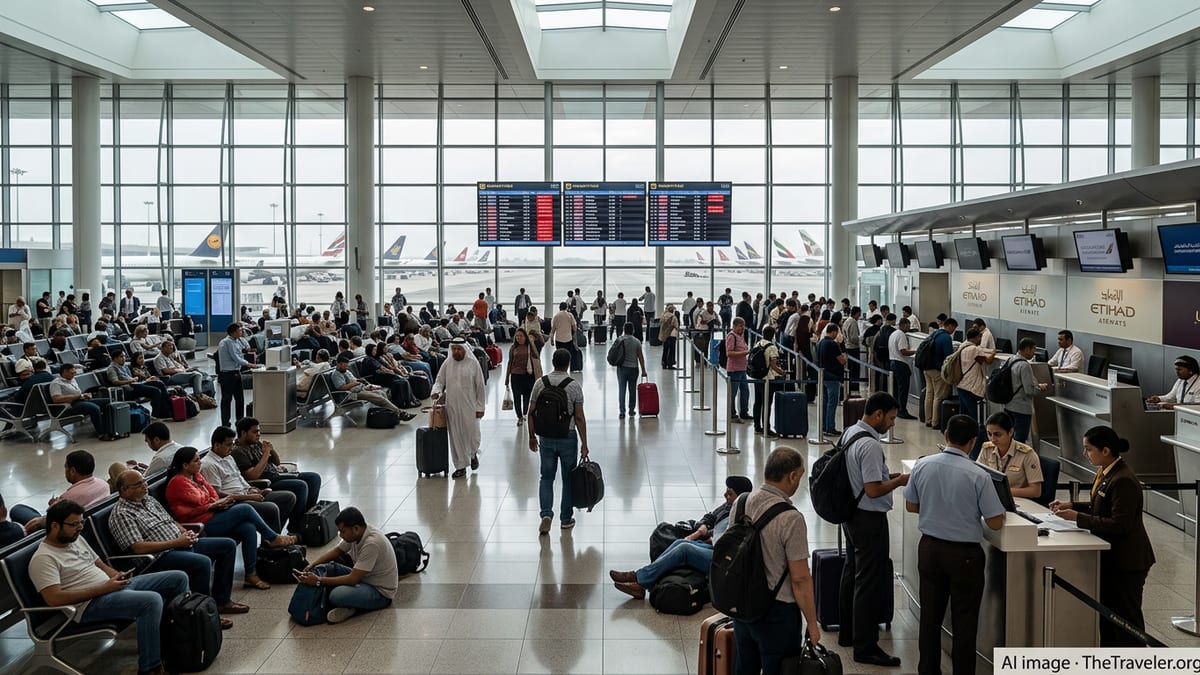
Passengers flying from the United Arab Emirates today are facing continued uncertainty, with major carriers Emirates, Etihad Airways, flydubai and Air Arabia operating reduced schedules, cancelling selected services and updating advisories in response to ongoing regional airspace restrictions and security concerns.
Get the latest news straight to your inbox!
Emirates operates limited schedule with rolling cancellations
Emirates is continuing to run a reduced network out of Dubai International Airport, with publicly available information indicating that services are being prioritised on core trunk routes while a number of regional and long haul flights remain cancelled or heavily retimed. Recent advisories highlight that operations are constrained by airspace closures on key corridors, forcing the airline to reroute or suspend flights on short notice.
Reports from aviation industry briefings and travel trade circulars state that the carrier has been periodically suspending all departures for defined windows when regional risk escalates, before restarting a limited schedule once authorities reopen specific airways. During these intervals, only a fraction of the usual daily departures from Dubai has been operating, leaving many travellers needing to rebook or seek refunds.
Customer notices reproduced in media coverage emphasise that passengers should not travel to the airport without a confirmed, operating booking, and that those with cancelled flights are being re-accommodated according to booking date priority. Emirates is also promoting flexible rebooking and refund options for tickets issued before recent escalation dates, though processing times may be longer than normal because of volume.
Travel analysts note that, while the airline has restored more flights compared with the peak of the disruption earlier this year, schedules remain fluid. Same day cancellations and last minute aircraft swaps are being reported, particularly on services transiting conflict-affected airspace between the Gulf, Europe and parts of Asia.
Etihad rebuilding network but warns of short notice changes
From its Abu Dhabi hub, Etihad Airways has been gradually rebuilding its commercial schedule after earlier periods in which most flights were suspended. According to published timetables and recent corporate updates, the airline is now operating a larger share of its planned network, yet retains a prominent warning that services may be cancelled or delayed at short notice if airspace restrictions tighten again.
Travel advisories circulated through global distribution systems and corporate travel bulletins indicate that Etihad has maintained a waiver policy for passengers ticketed during the height of the disruption, allowing free date changes within a defined travel window. These notices also encourage all customers to verify their flight status on the day of departure, underscoring the continued fragility of operations.
Accounts from recent travellers shared on public forums describe a mixed experience: while some flights have departed close to schedule, others have seen rolling delays of many hours followed by overnight hotel arrangements when onward connections were missed. This variability reflects the airline’s need to react to evolving flight path availability and slot constraints at congested hubs.
Industry commentators suggest that Abu Dhabi’s recovery as a transfer hub will depend on the stability of surrounding airspace over the coming weeks. For now, those departing the UAE on Etihad are being advised to allow extra time for check in and security, carry essentials in hand luggage in case of unexpected layovers, and keep contact details updated in their bookings.
flydubai and Air Arabia adjust low cost operations
Low cost carriers flydubai and Air Arabia, which play a significant role in connecting the UAE to regional and secondary destinations, are also adjusting their schedules in response to the same constraints. Publicly available airport departure boards and airline statements show pockets of cancellations, particularly on short haul routes that cross or approach higher risk areas.
For flydubai, which operates a large narrow body fleet from Dubai, schedule changes have included consolidated frequencies on certain Gulf and South Asian routes and the temporary suspension of some services where detour times make operations uneconomical. Passenger notices carried in regional media advise customers to monitor bookings closely and to expect gate or timing changes even after check in.
Air Arabia, with hubs in Sharjah and other regional airports, is reported to be using its integrated operations control centre to manage disruption, rerouting aircraft and crews as weather and security conditions change. Corporate sustainability and risk reports released by the airline in recent months have already highlighted how acute regional events can trigger last minute schedule revisions, and the current environment is testing those contingency plans in real time.
Travel consultants in the Gulf region note that the low cost segment is particularly exposed to volatility because many routes operate with tight turnarounds and thinner margins. When one leg is cancelled or significantly delayed, aircraft and crew rotations can be affected across the day, leading to knock on disruption for passengers departing later from the UAE.
What passengers flying from the UAE today should expect
For travellers scheduled to depart the UAE today, the practical impact is a higher risk of disruption across all four major UAE based airlines. While a substantial number of flights are operating, the pattern of recent days suggests that some services may still be cancelled on the day of travel and others may divert, incur extended delays or operate on altered routings that lengthen journey times.
Airport information screens, live flight trackers and airline status tools show a patchwork of outcomes: certain long haul departures to Europe, North America and East Asia have been prioritised and are largely departing, albeit sometimes behind schedule, while some regional services have been removed from schedules altogether. Travellers starting journeys today are therefore being encouraged by travel industry advisories to treat all timings as provisional until boarding.
Passenger experience reports indicate that check in and security queues can fluctuate sharply depending on the time of day and the latest schedule adjustments. In several cases, travellers have arrived to find that their flight has been retimed or cancelled after they left home, reinforcing the importance of checking status repeatedly in the hours before leaving for the airport and enabling notifications in airline apps where available.
Those with tight onward connections or essential time sensitive commitments are being advised by corporate travel managers and insurance providers to consider building in longer buffers or, where feasible, to rebook to dates and routings that appear less affected. However, given the dynamic nature of the situation, no routing through the region can currently be considered completely risk free of disruption.
Key planning tips and policy options for affected travellers
In response to the extended disruption, Emirates, Etihad, flydubai and Air Arabia have each published variations of flexible policies covering rebooking, vouchers or refunds for passengers whose flights are cancelled or significantly delayed. Travel trade summaries show that many of these waivers apply to tickets issued before specified cut off dates and require new travel to be completed by a defined deadline, so checking the exact fare conditions remains essential.
Travel insurers and corporate travel departments are drawing attention to the need for documentation when flights are disrupted, recommending that passengers retain boarding passes, delay notifications and receipts for any essential expenses such as meals or accommodation. Such records can be important when submitting claims, particularly where airlines provide partial support but do not cover all incidental costs.
Given the evolving security backdrop, general aviation safety guidance continues to emphasise cooperation with airline instructions, awareness of revised carry on rules that may be introduced at short notice and patience with longer than usual processing times at check in and security. Observers point out that frontline staff at UAE airports are managing a heavy operational burden while working within constraints set by airspace managers and regulators.
For now, the clear message from publicly available advisories across the aviation and travel sectors is that anyone flying from the UAE today should plan conservatively, stay informed across multiple channels and be prepared for last minute changes. As regional conditions evolve, airlines based in the UAE are expected to continue adjusting their schedules day by day in an effort to balance safety, operational viability and passenger demand.