


More news on this day
Renewed missile activity near the Arabian Peninsula is prompting another round of U.S. caution for Americans planning trips to a region known for ancient forts, bustling souks, and UNESCO-listed landscapes, as travel advisories and security alerts emphasize the risk of sudden disruptions.
Get the latest news straight to your inbox!
Why the latest warning is resurfacing now
Recent coverage across major outlets has tied the newest wave of concern to an uptick in missile and drone launches linked to the conflict dynamics surrounding Yemen and the wider Iran-linked tensions in the Gulf. Reports indicate Saudi Arabia faced a ballistic-missile threat toward Riyadh over the weekend, part of an escalating pattern of cross-border attacks that can affect nearby air routes, airport operations, and traveler movement even in countries not directly targeted.
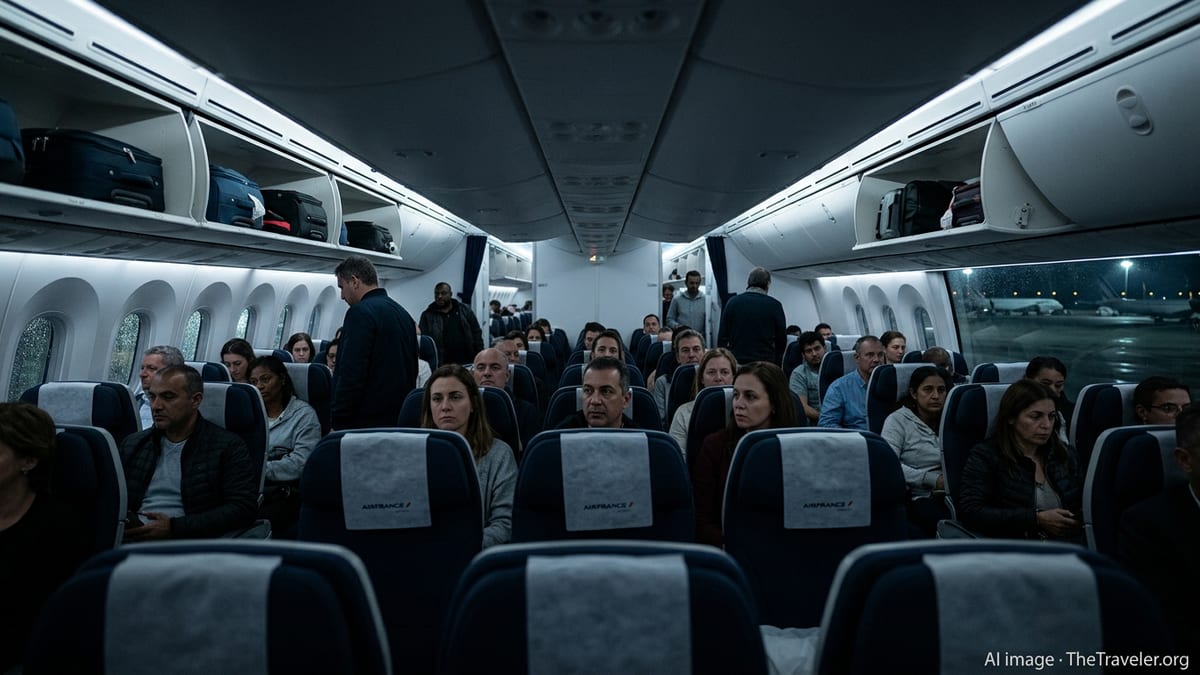
For American travelers, the immediate practical issue is not only personal safety but also the possibility of rapid operational changes such as flight cancellations, reroutes, and short-notice airspace restrictions. The U.S. Department of State has repeatedly flagged that conditions in the Middle East can shift quickly, and that travelers should be prepared for travel disruptions that may ripple across the region.
The warning tone has sharpened again because the affected area is also a major tourism corridor: Gulf capitals serve as hubs for long-haul connections between North America, Europe, Asia, and Africa, while destinations such as Oman and Saudi Arabia have invested heavily in heritage tourism.
What current U.S. travel advisories say about Oman and Saudi Arabia
Publicly available U.S. Department of State travel advisory pages show that Oman is currently designated “Level 3: Reconsider Travel,” with the advisory updated on August 30, 2026. The advisory points to an ongoing threat of drone and missile attacks from Iran following the onset of hostilities between the United States and Iran on February 28, 2026.
Saudi Arabia is also listed at “Level 3: Reconsider Travel,” with the advisory page showing a September 15, 2026 issuance date. The risk language on the advisory includes the potential for Iranian drone and missile targeting of American interests, along with armed conflict and terrorism considerations.
Separately from country pages, the State Department’s “Worldwide Caution” messaging has emphasized that Americans in the Middle East should maintain heightened vigilance and be prepared for flight cancellations, periodic airspace closures, and other disruptions that can complicate itineraries even for travelers staying far from border areas.
How missile and drone incidents can impact travelers beyond the strike zone
Even when an attack is intercepted or occurs outside tourist districts, aviation impacts can be widespread. Airlines may reroute flights to avoid specific corridors, which can lengthen travel times, trigger missed connections, or change arrival and departure schedules at major hubs. Travelers booking multi-leg itineraries through the Gulf may feel the effects first, especially if onward connections rely on tight transfer windows.
Another concern is the knock-on effect on insurance and cancellations. Many policies hinge on official advisories, and a “Reconsider Travel” designation can influence what is covered, what documentation is needed, and whether a trip interruption claim is accepted. Travelers often discover these limitations only when attempting to change plans.
On the ground, elevated regional alert levels can also mean stricter security screening at airports, additional identity checks near key sites, and changing guidance around public gatherings. Those changes are typically implemented unevenly and can escalate quickly in response to developments.
Practical steps for Americans with imminent trips
Travelers with near-term departures should start by reading the full U.S. Travel Advisory for the specific country, then checking any recent security alerts that may be posted separately from the advisory page. Because advisories can be updated when conditions change, a check made at booking time may no longer reflect current risk language by the week of departure.
It is also important to monitor airline notices directly for schedule changes and reroutes, and to confirm hotel and tour cancellation terms in writing. For travelers routing through Gulf hubs, checking connection requirements and considering longer layovers can reduce disruption risk if flights are retimed or terminals change.
Finally, travelers should make a plan for contingencies that do not depend on last-minute availability, including how they would reach an alternate airport, how they would access funds if cards fail, and how they would communicate if mobile networks are overloaded. The State Department’s broader guidance has repeatedly stressed readiness for sudden changes such as periodic airspace closures and flight cancellations.
What this means for tourism in a historic, fast-growing destination region
The renewed warnings come as Gulf tourism has increasingly marketed heritage alongside modern attractions, from restored old towns and desert forts to cultural districts and archaeological landscapes. Oman has promoted its forts and coastal scenery, while Saudi Arabia has been expanding visitor access to heritage sites as part of a wider tourism push.
That makes the latest advisories particularly consequential: they do not close the region to travel, but they raise the planning threshold. For many Americans, “Reconsider Travel” functions as a trigger to delay discretionary trips, choose alternate routing, or shift to destinations with fewer operational uncertainties.
For travelers who proceed, the clearest message from current U.S. guidance is to treat the risk as dynamic rather than destination-specific, factoring in how quickly regional events can influence flight operations, border procedures, and the availability of routine services.