


More news on this day
The Islamic Emirate of Afghanistan is rejecting a new round of foreign travel warnings that urge citizens to avoid the country, insisting that security has improved nationwide even as Western and regional governments maintain maximum-risk advisories and, in some cases, outright bans on visiting Afghanistan.
Get the latest news straight to your inbox!
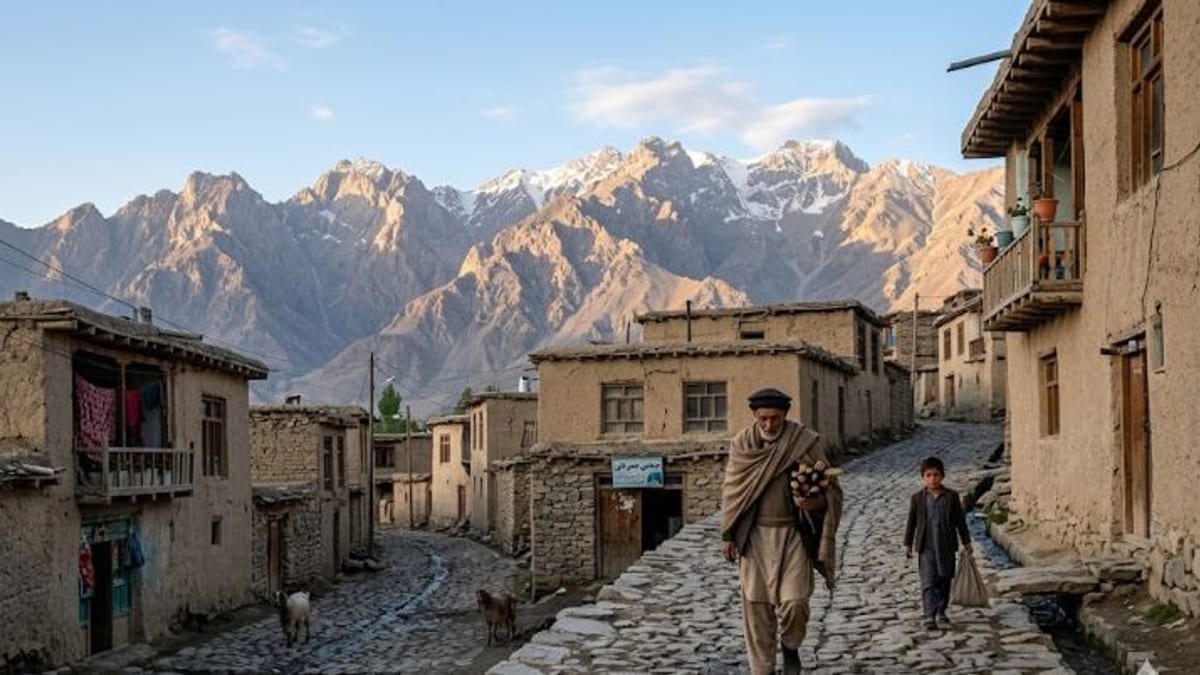
Taliban Administration Asserts Security for Foreign Visitors
Recent statements highlighted in regional media indicate that the Taliban administration, which refers to itself as the Islamic Emirate of Afghanistan, is pushing back strongly against foreign advisories that label the country as unsafe for travel. A spokesperson has argued that foreign nationals face no serious security threats in Afghanistan and has described Western travel guidance as out of touch with conditions on the ground.
Coverage of the remarks suggests that the authorities in Kabul view the warnings as part of a broader effort to isolate Afghanistan diplomatically. Public messaging from the Islamic Emirate continues to emphasize that the conflict that brought the Taliban back to power in August 2021 has largely subsided, and that armed opposition and extremist activity are under control.
This narrative is presented at a time when the Taliban administration is seeking greater engagement with foreign governments on issues ranging from deportation of Afghan nationals from Europe and the United States to participation in multilateral events such as United Nations climate meetings. Publicly available information shows that officials in Kabul are using these platforms to argue that Afghanistan is stable enough to receive returnees and visitors.
The government’s travel-related messaging also aligns with its wider diplomatic campaign for recognition or, at minimum, practical working relationships. While most states have not formally recognized the Islamic Emirate, several maintain embassies or technical contacts and are negotiating matters such as consular services, deportations and humanitarian access.
Foreign Governments Maintain ‘Do Not Travel’ Advisories
Despite Kabul’s assurances, many governments continue to list Afghanistan in their highest risk category for travel. An aggregated advisory tracker updated in early November 2026 indicates that countries including the United States, United Kingdom, Canada, Australia and several European states currently advise against all travel to Afghanistan, citing terrorism, kidnapping, arbitrary detention and the absence of consular support as key concerns.
The most recent United States travel advisory for Afghanistan maintains a level four rating, the strictest possible, and urges citizens not to travel. Public information from that advisory notes that the United States Embassy in Kabul suspended operations in 2021 and that the government cannot provide routine or emergency consular services inside the country. It also highlights risks such as surveillance of visitors, restrictions on movement, and the possibility of violence linked to insurgent or extremist groups.
European governments have issued similar messages. Germany’s foreign ministry guidance, updated in 2026, warns of an unpredictable security environment, continuing activity by groups such as Islamic State Khorasan Province and heightened risk for Western nationals. Other European and Asian advisories emphasize threats from terrorism and crime, the possibility of sudden border closures and the impact of regional tensions, including cross-border strikes between Afghanistan and Pakistan earlier this year.
These advisories directly contradict the narrative promoted by the Islamic Emirate. They portray a country where foreigners, particularly those from Western nations, may be targeted or arbitrarily detained, and where local authorities are not subject to the same international oversight or accountability as recognized governments.
Regional Restrictions and Travel Bans Tighten
Concerns about Afghanistan’s security and political direction are not limited to Western governments. Public guidance issued by the United Arab Emirates’ foreign ministry in 2026 states that Emirati citizens are not permitted to travel to Afghanistan except in narrowly defined cases such as diplomatic missions, emergency medical situations or pre-approved official and economic delegations.
Other regional actors have also taken restrictive positions. Data compiled by travel-risk analysts in November 2026 shows that a number of Asian governments continue to advise their nationals to avoid all travel, citing the lack of recognized diplomatic channels and the risk that sudden policy shifts by the Taliban authorities could affect foreign visitors. In some cases, insurers have aligned with those assessments by limiting or excluding coverage for trips to Afghanistan.
These regional restrictions come as Afghanistan’s neighbors grapple with their own security and migration challenges. Pakistan has carried out large-scale returns of Afghan nationals lacking valid documentation, while Iran, Central Asian states and Turkey are also managing substantial Afghan refugee and migrant populations. Public reporting suggests that these migration dynamics feed directly into how governments frame risk for any non-essential travel into Afghanistan.
The Islamic Emirate has publicly criticized foreign travel bans and strict advisories, arguing that they harm Afghanistan’s economy by deterring investment and tourism and by discouraging former refugees from visiting family or assessing conditions for possible return. Nevertheless, there is little sign so far that regional governments are easing their restrictions on travel.
Practical Realities for the Few Travelers Still Entering
In practice, only a small number of foreign travelers currently enter Afghanistan for non-official reasons. Publicly available accounts from travel forums and social media show that most are specialist tour clients, journalists with specific permissions, humanitarian workers or individuals with Afghan family ties returning for visits.
Those reports describe extensive security checks, frequent roadside inspections and a requirement to register with authorities on arrival, particularly at Kabul International Airport. According to United States government information, foreign arrivals are expected to register with a Foreigners’ Registration Office representative at the airport, and visitors may face questions about their itinerary, contacts and purpose of travel.
Travelers also report that movement between provinces typically requires local escorts or coordination with recognized operators. There are indications that, in some cases, Taliban security personnel accompany organized groups along certain routes. However, such arrangements depend entirely on local understandings and are not supported by any formal international framework or guarantee.
Basic travel logistics remain complicated. Commercial flight options into Kabul and a handful of regional airports are limited and subject to change. Visa practices have evolved since the former Afghan Republic era, with some consulates aligned with the Islamic Emirate issuing documentation while others linked to the previous government continue to operate in a more restricted capacity. Public guidance from Western states notes that visas issued by pre-2021 authorities may not be accepted at Afghan border points.
Human Rights Climate Shapes Risk Assessments
Beyond physical security, the human rights situation under the Taliban administration is central to many foreign travel warnings. International monitoring bodies and United Nations officials have repeatedly described Afghan women and girls as facing what some reports term a system of gender-based apartheid, citing bans on secondary and higher education for females, severe restrictions on employment and limitations on movement without a male guardian.
These conditions directly affect travel. Advisories from multiple governments stress that women may not be allowed to move freely within Afghanistan, particularly without a close male relative, and that enforcement can vary from one province to another. Restrictions on dress, public behavior and interaction between unrelated men and women are also highlighted as potential sources of legal or social risk for visitors.
Published reporting further points to a pattern of arbitrary detention, corporal punishment and public executions under the Taliban justice system. For foreign travelers, especially journalists, activists or individuals belonging to religious or sexual minorities, these factors significantly increase perceived risk. Some states warn explicitly that citizens traveling to Afghanistan may face detention without due process.
Against this backdrop, the Islamic Emirate promotes an image of restored security, emphasizing reduced street crime and an end to large-scale military operations. However, human rights assessments and the lack of recognized legal safeguards continue to shape foreign governments’ calculations, resulting in a persistent gap between Kabul’s assurances and international travel advice.