


More news on this day
A dense fog warning in force across parts of England on Sunday 8 November is raising concerns over travel disruption for people heading to Remembrance Sunday services and parades.
Get the latest news straight to your inbox!
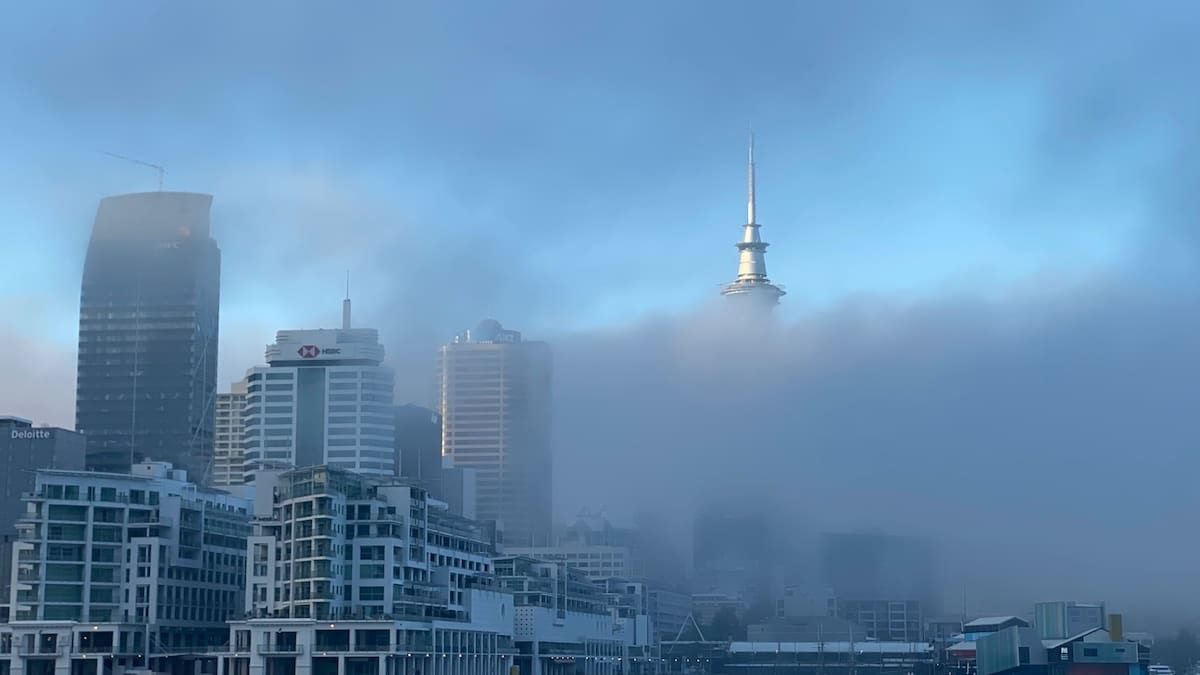
Yellow fog warning in place through Sunday morning
Publicly available information from the Met Office shows a yellow weather warning for fog in force from midnight until late Sunday morning, covering a broad band of central and southern England and parts of northeast Wales. The alert highlights the potential for visibility to fall below 50 metres in some areas, creating hazardous conditions for drivers and impacting public transport.
The latest national forecast indicates that fog and pockets of frost are expected to form overnight into the early hours of Sunday before slowly lifting later in the morning. While conditions are forecast to improve by midday in many locations, the timing coincides with the peak period for people travelling to 11am Remembrance services across the country.
The Met Office’s published guidance on severe weather underlines that dense fog can affect all transport networks, with a heightened risk of slower journey times, delays to bus and train services, and possible flight disruption at affected airports. Travellers are being urged via public channels to allow extra time, check live updates and be prepared for local delays, even where no formal disruption has yet been reported.
Key Remembrance events expected to draw large crowds
Remembrance Sunday falls on 8 November in 2026, the second Sunday of the month and the closest to Armistice Day on 11 November. The National Service of Remembrance is scheduled for 11am at the Cenotaph on Whitehall in central London, bringing together senior representatives from government, the armed forces and veterans’ organisations, alongside large numbers of spectators lining Whitehall and Parliament Street.
Government information on this year’s commemorations confirms that the service will follow the traditional pattern, with a national two-minute silence at 11am, wreath-laying at the Cenotaph and a march past of veterans. No tickets or passes are required for members of the public wishing to watch from the pavements, although access can be restricted once viewing areas reach capacity.
Beyond the capital, local authorities and veterans’ groups are staging services and parades at war memorials across the UK, many of them also beginning at 11am. Guidance collated by civic bodies and tourism boards indicates that city-centre events in locations such as Manchester, Birmingham and Cardiff are expected to attract substantial crowds, with associated road closures and diversions in place.
Road, rail and air travellers advised to plan ahead
The combination of dense fog and Remembrance Sunday road closures means that those travelling to services in major cities are being advised through publicly available channels to plan journeys carefully. In London, official event information highlights closures on and around Whitehall and adjacent streets for much of the morning, while separate notices show restrictions at key ceremonial routes including The Mall and surrounding roads.
Local event pages for Remembrance Sunday in Manchester outline road closures in the city centre and a temporary suspension of tram services through St Peter’s Square between 10.15am and 12.30pm to accommodate the main civic service and parade. Similar measures are in place in other large urban centres, where traffic management plans are expected to interact with any weather-related delays.
Rail operators and National Rail Enquiries are directing passengers to live journey planners and mobile apps for the latest information on potential delays linked to low visibility or speed restrictions. While no widespread cancellations had been reported during the early hours of Sunday, industry guidance notes that heavy fog can lead to knock-on disruption, particularly on busy main lines into major cities where Remembrance crowds are likely to be concentrated.
Airports within the warning area, including hubs in southern and central England, have previously experienced delays and diversions during periods of dense fog. Aviation guidance available to passengers on operator and airport websites recommends checking flight status before leaving home and allowing extra time for security and boarding in case of altered schedules.
Safety considerations for those travelling by car
Motorists setting out for morning services are being encouraged through public safety campaigns to adapt their driving to the conditions, particularly on rural routes and untreated minor roads. Visibility below 50 metres significantly reduces reaction times, and official road safety advice highlights the importance of reducing speed, increasing stopping distances and using dipped headlights and front and rear fog lights where appropriate.
Community resilience material published in partnership with the Met Office notes that even patchy fog can catch drivers off guard, especially when emerging from clearer stretches into dense banks of mist. The guidance stresses that harsh braking and sudden lane changes increase the risk of collisions when visibility is limited, and that drivers should be prepared for slow-moving traffic near built-up areas and junctions.
Travellers heading to large city-centre events are also being advised by local authorities to consider public transport where feasible, both to reduce congestion and to avoid the stress of navigating diversions and restricted parking. Where driving is unavoidable, event organisers recommend checking council maps for designated road closures and allowing additional time both before and after services, particularly when leaving multi-storey car parks close to the main memorials.
Tips for attendees heading to ceremonies
Organisers of Remembrance events and public information outlets are urging attendees to factor possible fog-related delays into their plans, especially for services that begin promptly at 11am. Advice circulated ahead of the weekend suggests setting out earlier than usual, checking weather and transport updates shortly before departure and being prepared for slower walking times around busy stations and closed roads.
Those travelling to the National Service of Remembrance in London are being encouraged through official guidance to use public transport where possible and to plan routes via central stations such as Westminster, Embankment and Charing Cross, while noting that these hubs may be extremely busy both before and after the ceremony. Organisers also remind attendees that security measures and crowd management barriers can lengthen walking routes from stations to viewing points along Whitehall and Parliament Street.
For people unable or unwilling to travel in poor visibility, broadcasters including the BBC, ITV and Sky News are providing live television coverage of the Cenotaph ceremony, alongside extensive reporting from regional events. Public information notices highlight this as an alternative way to participate in the national act of remembrance for those facing significant disruption or safety concerns due to fog or other local conditions.