


More news on this day
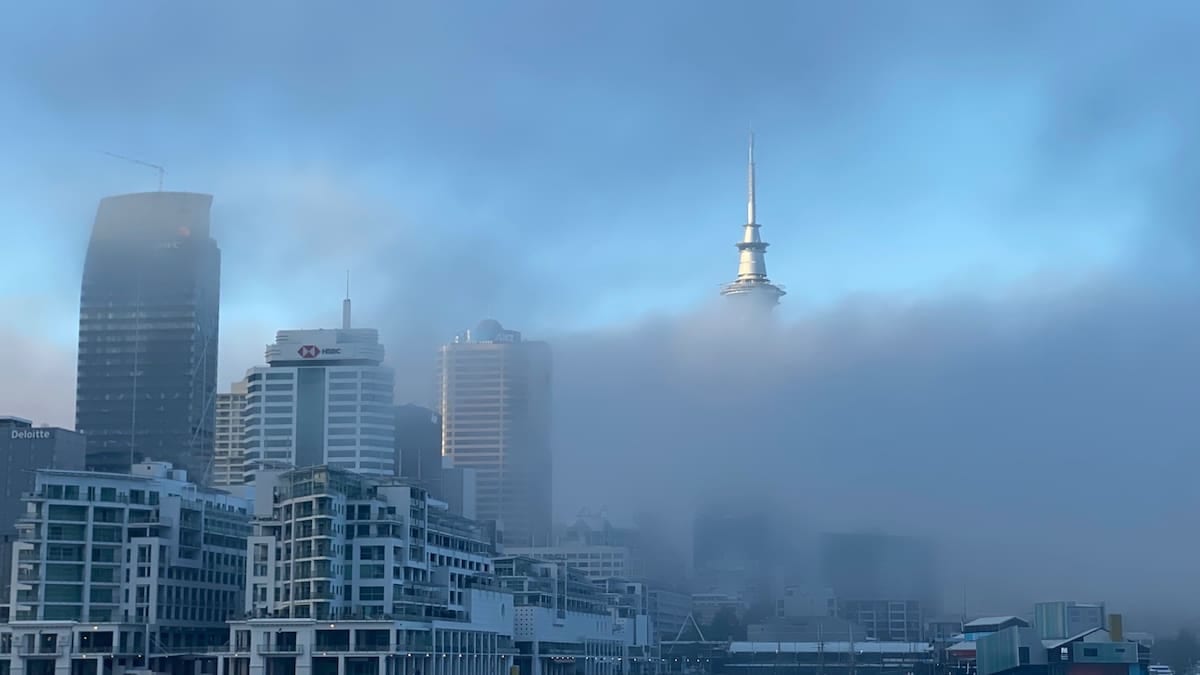
A fresh yellow fog warning is in force for parts of Yorkshire, with forecasters highlighting a heightened risk of slower road journeys, disrupted public transport and possible flight delays through Sunday night into Monday morning.
Get the latest news straight to your inbox!
Where the fog warning applies in Yorkshire
The latest national severe weather guidance places much of the Yorkshire and Humber region inside a yellow fog warning, alongside large areas of central and southern England and parts of Wales. Publicly available information from the Met Office shows that the alert covers South Yorkshire and sections of North and North East Lincolnshire, while regional coverage indicates that key urban centres such as Sheffield, Doncaster, Wakefield and York sit within the warning area.
The affected zone takes in several of Yorkshire’s busiest road and rail corridors, including stretches of the M1, A1(M) and M62, as well as the trans-Pennine and east coast mainline links that serve the region’s main cities. Local reporting highlights particular concern around low-lying river valleys and semi-rural approaches into urban areas, where fog tends to pool and visibility can fall away quickly.
Neighbouring regions, including the East Midlands and parts of north-west England, are also under the same yellow warning. For travellers heading into or out of Yorkshire by road or rail, this means that difficult conditions may extend well beyond the immediate area, especially on cross-country routes linking the region with the Midlands, the North West and London.
Travellers already in Yorkshire are being advised via published guidance to check localised forecasts for their exact location, as visibility can vary sharply over short distances. While some higher or more exposed routes may see fog thinning earlier, sheltered sections of motorway, A-roads and suburban approaches could remain affected for longer.
When the worst of the fog is expected
According to the current national warning matrix, the yellow fog alert for Yorkshire and Humber is rated as having a high likelihood and a moderate impact. The main warning period runs from 18:00 on Sunday 8 November until 11:00 on Monday 9 November, with forecasters indicating that fog patches are expected to redevelop rapidly after dusk and become more widespread overnight.
Earlier on Sunday, a separate yellow warning for fog was in place from midnight until 10:00, covering a broad swathe of England and Wales, including parts of Yorkshire. Reports from regional outlets describe dense patches with visibility in some locations reduced to less than 50 metres, particularly during the early morning hours when traffic volumes begin to build.
Forecast guidance suggests that overnight fog will be slow to clear on Monday morning, especially in sheltered inland areas. Commuters are being urged in public information campaigns to expect lingering poor visibility around the morning peak, and to allow extra time for journeys that cross river valleys, cuttings and low-lying stretches of motorway where fog tends to persist.
While the warning is not currently expected to extend beyond late Monday morning, Met Office material notes that weather warnings can change at short notice. Travellers planning early departures on Monday, including rail commuters and those with morning flights from regional airports serving Yorkshire, are advised to recheck the forecast and status of the warning before setting out.
Road travel: visibility, routes and practical steps
The main travel concern highlighted in official and regional summaries is significantly reduced visibility on the road network. Dense fog can cut sightlines to well under 100 metres, with some reports indicating visibility of 50 metres or less in the thickest patches. This can be particularly challenging on higher-speed sections of the M1, M62 and A1(M), where traffic may be moving from clear air into sudden banks of fog.
Publicly available safety advice stresses the importance of using dipped headlights and fog lights where visibility is seriously reduced, and of switching fog lights off again once conditions improve to avoid dazzling other drivers. Drivers are also urged to reduce speed well before reaching visible fog, increase following distances substantially and avoid sudden braking, which can trigger multi-vehicle collisions when visibility is poor.
Those collecting rental cars or using unfamiliar vehicles in Yorkshire are encouraged by motoring organisations to familiarise themselves with light controls before joining fast-moving roads. Simple checks such as cleaning windscreens inside and out, ensuring screenwash is topped up and making sure wiper blades are effective can make a noticeable difference once driving into thick mist.
Local resilience documents from councils in North Yorkshire underline that fog can quickly affect access to smaller communities, especially where routes cross open farmland or moorland fringes. Visitors heading to rural accommodation, countryside attractions or evening events are therefore being advised to plan their arrival for earlier in the day where possible, and to avoid relying solely on satellite navigation if visibility deteriorates sharply.
Rail, bus and air disruption risks
The yellow warning states that slower journey times with delays to bus and train services are possible. On the rail network, heavy fog can reduce line speeds in certain areas and make it harder for drivers and signalling staff to operate at normal capacity, particularly around complex junctions and approaches to major stations in Leeds, Sheffield, York and Doncaster.
Bus and coach operators serving inter-urban routes across Yorkshire may also experience longer running times where fog is thickest, especially on rural sections. This can affect early-morning school services, commuter routes into city centres and late-evening journeys returning to outlying towns and villages.
For air travellers, both the Met Office guidance and published coverage from national and regional outlets note a chance of delays or cancellations to flights when dense fog coincides with peak schedules. Regional airports that serve Yorkshire-bound passengers, including those near Leeds and Doncaster as well as larger hubs elsewhere in England, can be affected if runway visibility falls below operational thresholds.
Airlines typically prioritise safety, which can mean temporarily suspending take-offs and landings until visibility improves. Travellers are therefore being urged in open statements and travel updates to check the status of flights before leaving for the airport and to register for airline notifications, particularly for early-morning departures on Monday when fog may still be in place.
Practical advice for visitors and residents
Travel and resilience guidance from local authorities across Yorkshire emphasises preparation ahead of any journey during a fog warning. Drivers are encouraged to allow substantial extra time, avoid last-minute departures and consider whether non-essential trips can be rescheduled until after the warning period.
For visitors relying on public transport, checking live departure boards and operator alerts is recommended, as minor delays can build up across bus and rail networks when conditions are poor. Those with connections, such as a bus link to a long-distance train, may wish to plan for earlier departures to maintain flexibility if services are running behind schedule.
Pedestrians and cyclists in urban areas are also advised to take additional care. Reduced visibility can make it harder for drivers to see people crossing side streets or navigating poorly lit junctions, particularly during the evening and early morning. Wearing brighter clothing, using lights and allowing more time to cross busy roads can all help manage the risk.
Public information from local resilience forums highlights that the National Severe Weather Warning Service operates throughout the winter season. Travellers in Yorkshire over the coming weeks are encouraged to monitor updates as conditions evolve, especially if further episodes of dense fog or other disruptive weather patterns coincide with peak travel periods and key events.