


More news on this day
Anantara Hotels, Resorts & Spas is tightening its focus on high end European travelers with the rollout of a new Suite Time Privilege concept, aiming to combine flexible stay times with elevated in suite experiences across some of the brand’s flagship city and resort properties.
Get the latest news straight to your inbox!
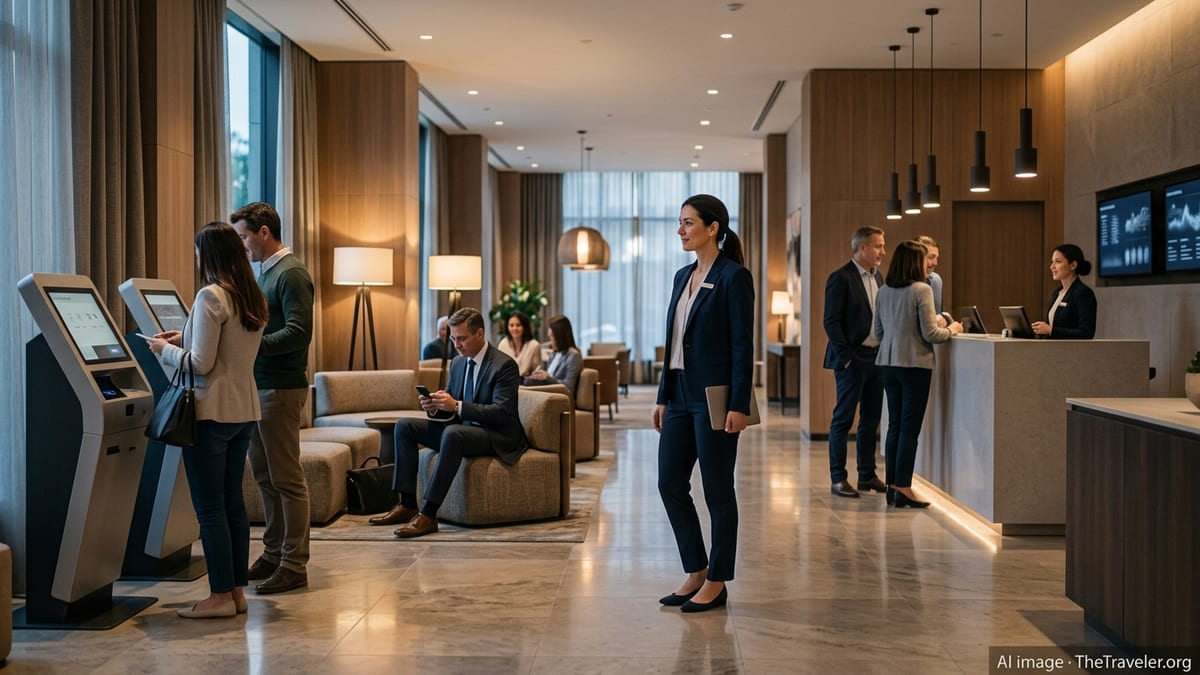
Flexibility Becomes the New Luxury in European Suites
The Suite Time Privilege initiative reflects a broader shift in luxury hospitality, where time and personalization are becoming as important as traditional markers such as room size and décor. Rather than treating suites simply as larger rooms with better views, Anantara is positioning them as flexible, experience led spaces that allow guests to shape their own schedules.
According to publicly available information from the group, the program is being designed to give suite guests more control over arrival and departure windows, easing typical midday check in and check out pressures that can be challenging on multi leg European itineraries. The concept is intended to appeal in particular to long haul travelers crossing time zones, as well as regional guests combining several cities in one trip.
Hospitality analysts note that flexible time based benefits are increasingly used by premium brands to differentiate their top categories. By formalizing these in a structured suite privilege offering, Anantara is signaling that it sees time, rest and privacy as core components of the luxury value proposition in its European portfolio.
While detailed terms will vary by property and season, travel trade coverage suggests the focus is on giving suite guests greater freedom to arrive early, depart later or stretch their stay around flight and rail connections, subject to availability. That approach aligns with evolving expectations in the upscale market, where rigid timetables are increasingly seen as outdated.
Flagship City Hotels Lead the European Rollout
Anantara’s European collection has grown in recent years to include landmark properties in major capitals and heritage destinations, including Budapest, Vienna and key Mediterranean resorts. These hotels, many housed in historic buildings, are expected to anchor the Suite Time Privilege positioning by pairing architectural character with contemporary suite benefits.
In cities such as Budapest and Vienna, Anantara has converted storied properties into full service luxury hotels, highlighting expansive suites designed for both business and leisure stays. Publicly available materials emphasize features such as separate living areas, generous bathrooms and bespoke concierge support, creating a natural platform for time based privileges to add further value.
Resort style properties on the Mediterranean and along other European coastlines are also poised to leverage the concept, particularly for guests booking longer stays in premium room types. For travelers embarking on extended European journeys, the ability to adjust check in and check out times at suite level can simplify logistics and reduce transit fatigue between destinations.
Industry observers indicate that Anantara’s move comes as competition intensifies among global luxury brands vying for high spending travelers in Europe’s gateway cities. By elevating suites with additional privileges, the group is seeking to draw attention to its top tier inventory and encourage guests to trade up from standard rooms.
Reframing Suite Stays Around Experience and Privacy
The Suite Time Privilege concept sits alongside a broader effort within Anantara to emphasize experiential stays rather than simple overnight accommodation. Across the portfolio, suites are increasingly marketed as self contained sanctuaries with added privacy, bespoke amenities and curated in room services tailored to local culture.
Reports on Anantara’s suite positioning highlight elements such as in suite dining experiences, locally inspired welcome amenities and access to dedicated guest relations teams at selected properties. By layering flexible time benefits over these features, the brand is aiming to create an experience where guests can linger in their suites without the pressure of fixed departure times.
Travel commentators point out that for families, small groups and remote working travelers, such privileges can materially change the feel of a stay. Additional hours in the suite may allow guests to schedule meetings around jet lag, enjoy slower mornings with in room breakfast or simply extend leisure time before evening departures from European rail hubs and airports.
At the same time, positioning suites as extended living spaces supports wider trends in hospitality, where guests increasingly seek residential style layouts, separate zones for work and relaxation, and the option to entertain privately. Suite Time Privilege reinforces that narrative by underlining the idea that high end travelers are not just renting a room but carving out a flexible time window in a premium environment.
Targeting High Value Travelers in a Competitive Market
Europe remains one of the most contested regions in global luxury hospitality, with established chains and newer lifestyle brands competing for a relatively finite pool of high value travelers. Anantara’s emphasis on suite specific privileges is being interpreted as a targeted strategy aimed at a segment willing to pay for additional space, discretion and control.
Publicly available industry data shows that suites, while representing a smaller portion of room inventory, disproportionately contribute to revenue and profit at upper upscale and luxury hotels. Enhancing these categories with flexible time benefits is likely intended to increase occupancy, encourage longer stays and support premium pricing without solely relying on discounts.
Travel advisors active in the European market note that suite focused offers are particularly effective for milestone trips, multi generational family holidays and business itineraries that require more spacious accommodation. Anantara’s new positioning provides an additional talking point for agents seeking to distinguish properties with more generous arrival and departure policies from their competitors.
The initiative also fits into a wider pattern of brands tailoring benefits to specific regions. By aligning Suite Time Privilege with its European portfolio, Anantara is able to respond to local travel habits, including dense rail networks, frequent short haul flights and a strong culture of city hopping, where flexible check in and check out options can be especially valuable.
Signals for the Future of Luxury Hospitality
Beyond its immediate commercial objectives, Suite Time Privilege offers a glimpse into how luxury hospitality may evolve over the coming years. Time, once treated as a fixed framework around which stays were organized, is increasingly being used as a variable that can be adjusted for comfort and convenience at the upper end of the market.
Analysts suggest that similar concepts may spread as other hotel groups explore ways to repackage flexibility, privacy and personalization into discrete, bookable benefits. For now, Anantara’s European rollout illustrates how suites can serve as a testing ground for new privilege structures before they potentially extend to additional regions or room categories.
For travelers, the emergence of time based suite privileges underscores a gradual shift in what “luxury” means on the road. Space, service and design remain central, but the ability to align a hotel stay more closely with an individual’s own timetable is likely to become an increasingly important differentiator, particularly for frequent visitors to Europe who prize both comfort and efficiency.
As the region’s tourism sector continues to adapt to changing traveler behavior, initiatives that recast suites as flexible, experience rich environments may help hotels capture demand from guests looking for more than a standard overnight stay. Anantara’s Suite Time Privilege concept is one of the clearest signs yet that the premium end of the market is prepared to compete on time as carefully as it competes on location and style.