


More news on this day
Summer air travel across Europe faced fresh disruption as more than 120 flights were cancelled and over 2,300 delayed in a single day, with Rome and several major hubs among the hardest hit, according to live operational data and published aviation briefings.
Get the latest news straight to your inbox!
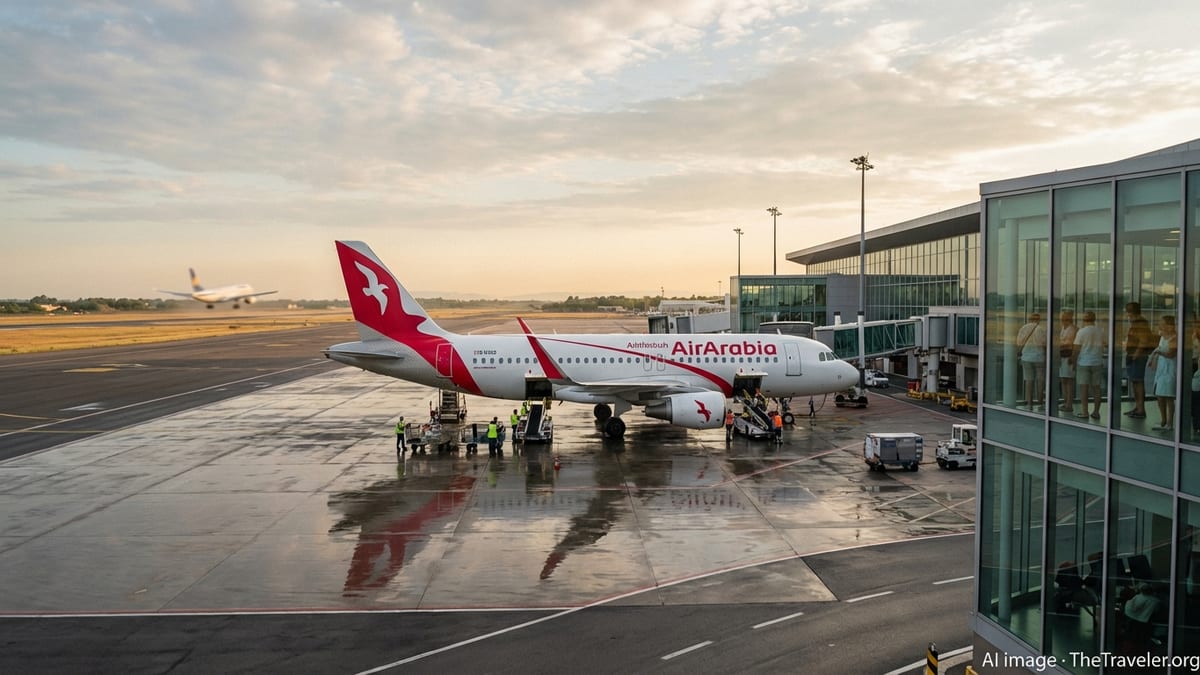
Rome’s Busy Hubs Struggle With Weather And Capacity Strains
Rome’s Fiumicino and Ciampino airports, which together handle tens of millions of passengers a year, experienced an outsized share of the disruption as thunderstorms, tight turnaround schedules and air traffic flow restrictions converged at the height of the August holiday season. Publicly available operational dashboards tracking European flights showed 122 cancellations and 2,369 delays across the continent, with Rome repeatedly flagged among the top trouble spots.
Fiumicino, a major long haul gateway and one of Europe’s best connected airports by route network, has seen passenger volumes climb sharply in recent summer seasons. Integrated reporting by the airport’s operator shows that in previous peak months it has handled more than five million passengers, a record level that leaves little slack when weather or staffing problems emerge. When even a small number of early departures fall behind schedule, later flights can struggle to access stands, gates and takeoff slots.
Ciampino, the secondary airport favored by several low cost carriers, has also been operating close to capacity during peak travel weekends. With shorter turnaround times and dense scheduling, any inbound delay can quickly ripple into outbound cancellations or missed connections. Travellers reported on social platforms that queues built rapidly at security and check in as airlines attempted to rebook affected passengers onto remaining services.
Industry summaries suggest that the day’s pattern of disruption in Rome was not tied to a single structural failure, but to the combination of seasonal storms, heavy demand and tightly packed flight programs that left little room to recover once delays began to accumulate.
Knock On Effects Across Major European Gateways
The problems in Rome fed into a wider pattern of disruption at other major European hubs, including airports in Germany, France, Spain and the United Kingdom. When a large gateway falls behind schedule, flights can miss their allocated air traffic flow management slots, forcing later departures to wait for new clearances and contributing to bottlenecks across shared air corridors.
Operational briefings used by airlines and travel companies for risk planning have highlighted how quickly such congestion can spread during peak summer periods. Once dozens of aircraft are out of position, crews may exceed duty time limits and aircraft may not reach the bases where they are scheduled to begin the next rotation. This creates rolling effects that can be felt for one or more days, even after local weather conditions improve.
Data from previous summers in Europe shows that high traffic volumes and complex airspace management can already generate significant delays, even without major strikes or technical failures. As more carriers have rebuilt capacity to, and in some cases beyond, pre pandemic levels, the margin for absorbing sudden weather or staffing shocks at busy hubs has narrowed further.
Passengers traveling through other major gateways reported missed connections, last minute gate changes and extended waits on arrival for rebooked flights. Although not every hub saw the same intensity of disruption as Rome, the overall picture was of a tightly stretched European network responding to localized problems with limited backup.
What Travelers Experienced On The Ground
Travelers passing through Rome and other affected airports described long lines, repeatedly revised departure times and a scramble to secure seats on alternative flights. Social media posts and travel forums carried accounts of passengers receiving cancellation notices hours before departure, followed by difficulty reaching airline call centers or accessing rebooking tools.
Some travelers reported being advised to shift journeys to earlier or later days in order to avoid the most congested periods, particularly on popular leisure routes around the Mediterranean. Others described overnight stays in airport hotels or nearby cities when replacement flights were not available until the following morning. For those on tight itineraries involving cruises, tours or onward long haul connections, the knock on costs and complications were significant.
Publicly available guidance from European consumer agencies and passenger rights organizations emphasizes that, under European Union rules, airlines operating from EU airports are generally required to offer care, assistance and, in certain circumstances, financial compensation when flights are severely delayed or cancelled. However, travelers frequently note that accessing this support can involve extensive paperwork and long processing times, especially when many passengers are affected at once.
Reports from recent weeks also suggest that some travelers are turning to specialist claim services or insurance policies to navigate the compensation process. While this can ease the administrative burden, it can also reduce the final payout once fees are taken into account, leaving many passengers weighing the value of external help against pursuing claims directly with airlines.
Underlying Pressures: Staffing, Strikes And Airspace Constraints
Aviation analysts point to several structural issues that continue to make Europe’s summer travel season vulnerable to sudden spikes in disruption. Airline and ground handling staffing levels, while higher than in the immediate post pandemic period, remain finely balanced at many airports. Sickness, localized industrial action or security queue surges can rapidly undermine carefully planned schedules.
In Italy, published strike calendars have already flagged multiple days of industrial action this year involving air traffic control, airport security and airline crews. Briefings circulated within the travel industry describe some of these as likely to create so called black days for air travel, when even flights that are legally protected from cancellation may suffer significant delays due to wider operational knock on effects.
Beyond Italy, ongoing military activity, restricted zones and environmental concerns have constrained available airspace on several major corridors, forcing more flights through narrower bands of controlled sky. When traffic is high, air navigation authorities use flow management tools to meter departures and arrivals, which can protect safety but lengthen flight times and waiting periods on the ground.
Analysts observing the latest wave of disruption argue that, taken together, these factors mean that Europe’s air transport system remains highly sensitive to localized shocks. Even when weather or staffing problems are forecast, the commercial pressure to operate dense schedules during the peak holiday season leaves limited room to thin out traffic in advance.
How Passengers Can Reduce Risk In The Coming Weeks
With the peak August travel period still in full swing, consumer advocates and experienced travelers are sharing practical steps to reduce exposure to major disruption. One commonly cited strategy is to book the earliest feasible departure of the day, as morning flights are less likely to be affected by accumulated delays from earlier rotations. Direct flights, even at slightly higher fares, can also reduce the complexity of rebooking if schedules go awry.
Travel planning advisories recommend allowing longer connection times at large hubs, particularly when journeys involve a mix of low cost and full service carriers or separate tickets. Passengers are also encouraged to monitor their flights through airline apps or independent tracking tools, which can sometimes flag schedule changes before airport display systems are updated.
For those departing from or connecting through Rome, current guidance suggests building additional buffer time into itineraries, especially on days with forecast storms or known industrial action. Having a backup plan, such as awareness of alternative routes by rail or via secondary airports in Italy and neighboring countries, can provide more options if flights are cancelled at short notice.
While no amount of preparation can fully eliminate the risk of disruption when Europe’s air traffic network is under strain, informed planning and realistic expectations can help travelers navigate a challenging season with fewer surprises and a better chance of reaching their destinations close to schedule.