


More news on this day
An 11-night Caribbean sailing on MSC Poesia from PortMiami has been abruptly canceled after the United States Coast Guard detained the ship for an expanded inspection, leaving hundreds of guests scrambling for last-minute accommodation and flights home instead of embarking on their planned cruise vacation.
Get the latest news straight to your inbox!
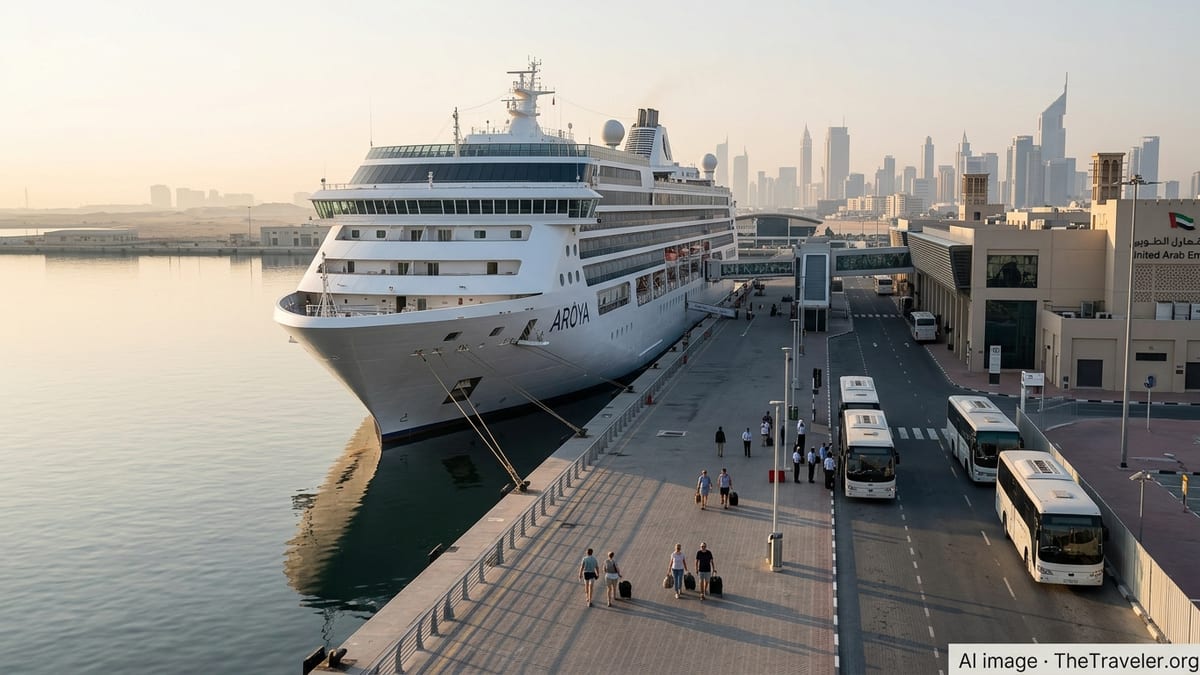
Detained in PortMiami and a Voyage Canceled
Publicly available reports indicate that MSC Poesia was scheduled to depart PortMiami on Sunday, 1 November 2026, for an 11-night round-trip cruise calling in Jamaica, Colombia, Panama, Costa Rica, Honduras and Belize. Instead of sailing, the ship remained alongside at the port after the U.S. Coast Guard initiated what has been described in multiple outlets as an expanded safety and regulatory inspection.
Coverage from cruise-industry and local media describes the vessel as being held in port for several days while checks continued, with passengers initially remaining on board in expectation of a delayed departure. As the delay stretched from hours into days, reports suggest that uncertainty increased among guests who had already checked in and settled into their cabins for the long voyage.
On 3 November, MSC Cruises confirmed through statements quoted in news and specialist cruise outlets that the voyage would not proceed as planned and that the 11-night Caribbean itinerary had been canceled. The decision effectively stranded passengers who had traveled to Miami or boarded the ship, forcing many to reorganize their holidays around an unexpected stay in South Florida instead of a regional cruise.
Passenger estimates vary among published accounts, with some reports referencing more than 2,000 guests affected and others noting that MSC Poesia is designed to carry over 3,200 passengers plus roughly 1,000 crew. What is consistent across coverage is that the cancellation involved a large international mix of travelers, including U.S., Italian and Maltese holidaymakers among others.
Why the Coast Guard Can Stop a Cruise Ship
According to information published by the U.S. Coast Guard and maritime regulators, cruise ships calling at American ports are subject to port state control inspections that review compliance with international conventions such as the Safety of Life at Sea treaty, along with U.S. environmental and security rules. These examinations can be routine, but they can also be expanded or prolonged if inspectors identify deficiencies that, in their judgment, warrant more detailed checks.
News reports referencing Coast Guard statements on this case indicate that the detention related to verifying the ship’s compliance with safety and environmental protection standards. Earlier this year, an inspection of MSC Poesia reportedly highlighted concerns around the operational readiness of lifesaving equipment, although that visit did not result in a detention. The latest expanded examination in Miami has gone further, preventing the ship from operating its scheduled cruise until the agency is satisfied that requirements are met.
In general, if significant issues are identified on a foreign-flagged cruise ship in a U.S. port, the Coast Guard can delay departure, restrict operations or detain the vessel until corrective actions are taken. This can directly impact passengers, as ships cannot legally sail with paying guests if they are not cleared to operate under applicable regulations.
MSC’s own publicly available conditions of carriage note that cruise operations are subject to government intervention and safety requirements that may lead to delayed or altered sailings. The terms explicitly state that the cruise line and the ship’s master may change itineraries, delay departures or even cancel a voyage when necessary for safety or to comply with directives from competent authorities.
Passengers Left Searching for Hotels and Flights
Accounts in local and international media describe how the continuing detention left guests facing difficult choices. Some travelers appear to have remained on board while inspections continued, while others decided to disembark and arrange accommodation in Miami on short notice. Reports indicate that at least several nationalities, including Italian and Maltese passengers traveling on long-planned holidays, were among those stranded ashore when it became clear the cruise would not depart.
Cruise-focused outlets report that MSC Cruises offered full refunds for the canceled voyage and future cruise credits for affected guests, along with some assistance in rebooking flights. However, the specifics of compensation packages appear to vary based on point of sale and booking channel, and publicly available coverage does not present a single, uniform policy applicable to every passenger.
Some travelers turned to social media and local news to describe nights spent in Miami hotels instead of on the open sea, as well as difficulties securing affordable last-minute flights home during a busy travel period. While experiences differ, the common theme in publicly shared accounts is that the inspection-related detention transformed what was planned as an 11-night Caribbean cruise into an unplanned land stay, often at additional personal expense.
For guests who had already used vacation time and traveled from overseas, reports suggest that the sudden change of plans was especially challenging. With the ship unable to sail and no immediate alternative cruise offered from Miami on comparable dates, many passengers effectively saw their primary holiday experience canceled within hours of boarding.
MSC’s Response and What Travelers Are Being Told
Statements cited in broadcast and online coverage show MSC Cruises emphasizing that safety remains the line’s top priority and that it is cooperating with the Coast Guard to resolve the issues identified on MSC Poesia. The company has not, as of the latest reports on 5 November 2026, publicly detailed the exact nature of the deficiencies under review, beyond acknowledging that regulatory concerns prompted the U.S. authorities to detain the ship.
According to travel and cruise news outlets, passengers on the canceled voyage have been directed to customer service channels for information on refunds, credits and travel assistance. Some coverage notes that guests were allowed to remain on board for a limited period after the cancellation while they arranged onward travel, although specific cut-off times and disembarkation arrangements differ among sources.
MSC’s conditions of carriage indicate that itineraries may be modified or canceled due to factors outside the company’s control, including government inspections and port authority decisions. Publicly available policies also underline that the cruise fare contract does not guarantee adherence to a published schedule in the event of safety-related interventions, a clause that becomes highly visible in rare disruptions such as the current situation in Miami.
For travel advisors and cruise sellers, the incident has prompted renewed attention to how such contractual terms are explained to clients. Several industry commentaries note that while large-scale detentions and same-day cruise cancellations are uncommon, they are within the scope of what can happen when regulatory agencies exercise their oversight role.
What the Incident Means for Future MSC Sailings
As of 5 November 2026, there is no comprehensive public timeline detailing when MSC Poesia will resume regular operations from PortMiami. Industry coverage suggests that future sailings may depend on the completion of any corrective actions required by the Coast Guard and subsequent verification that the ship meets all applicable safety, environmental and security standards.
Prospective passengers looking at upcoming MSC itineraries from U.S. ports are being advised by travel commentators to monitor official communications from the cruise line and their booking agents for any schedule changes. While the current detention is specific to MSC Poesia, some observers expect heightened interest in inspection results and regulatory performance across MSC’s fleet in the near term.
Broader cruise-sector analysis points out that port state control actions, though disruptive, are designed to reinforce compliance with international safety norms across the industry. The Miami incident illustrates how quickly an unsatisfactory inspection outcome can cascade into large-scale travel disruption, particularly when it affects a turnaround sailing with thousands of guests already at the port.
For travelers, the MSC Poesia case serves as a timely reminder to review booking conditions, consider comprehensive travel insurance that addresses cruise disruptions linked to regulatory interventions, and maintain flexibility where possible when planning complex, long-haul cruise vacations.