


More news on this day
Rail passengers across France faced cancellations, reduced timetables and last minute changes on Thursday 5 November 2026, as nationwide protests over the cost of living and public services spilled onto the country’s rail network and disrupted key TGV, regional and suburban routes.
Get the latest news straight to your inbox!
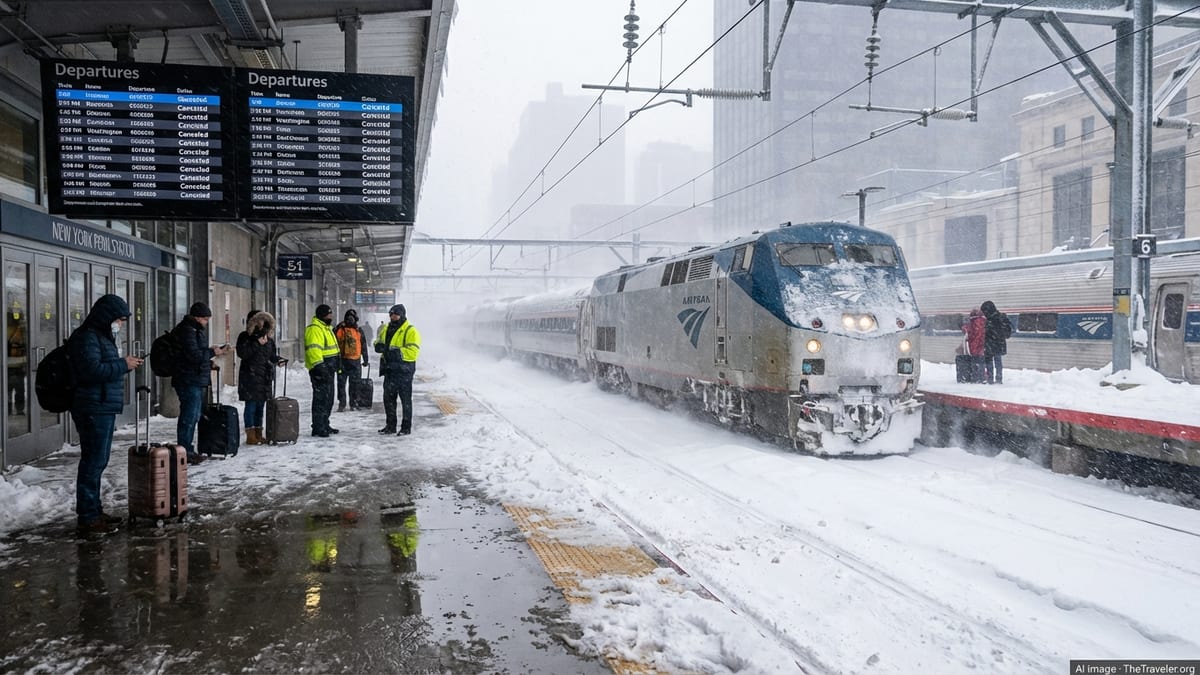
National strike ripples across France’s rail network
The 24 hour cross sector strike was called by France’s main union confederations and coincided with a wave of demonstrations in cities including Paris, Lyon, Marseille and Bordeaux. Publicly available information indicates that several hundred thousand people joined rallies nationwide as unions pressed demands for higher wages, better funding for schools and hospitals and opposition to budget cuts.
Rail workers were among those mobilized. The four representative unions at the national rail operator joined the call, triggering a strike window from Wednesday 4 November at 19:00 to Friday 6 November at 08:00. According to published coverage, that action focused disruption on Thursday 5 November, when the interprofessional protest reached its peak.
Service forecasts compiled by independent strike tracking platforms and official operator notices show that the impact varied by network. Long distance high speed routes operated closer to normal levels, while regional and suburban services bore the brunt of cancellations and reduced frequencies, particularly outside the busiest intercity corridors.
TGV and Intercités: targeted cuts but key links maintained
Information published on the SNCF Connect passenger information portal described “slight disruption” on TGV routes for 5 November, with more noticeable changes on Intercités and some Ouigo services. A government open data feed listing real time service alerts for TGV Inoui, Intercités and Ouigo flagged strike related disruption around Bordeaux from 3 to 5 November, underscoring how individual hubs were more heavily affected than the national network as a whole.
Travel advisories gathered by travel industry bulletins and specialist media in the days before the strike underlined that most high speed links were expected to run, but with occasional cancellations and timetable adjustments. Passengers on routes such as Paris to Lyon or Paris to Lille were advised to recheck departure times from 17:00 on 4 November, when the operator traditionally publishes the next day’s adapted timetable.
For international travelers, reports indicate that some cross border TGV connections operated with reduced capacity but generally continued running. Information made available by rail partners and tourism media suggested that services to Brussels, Luxembourg and certain Swiss destinations remained largely in operation, while some trains to Spain and Italy were withdrawn or consolidated.
Regional TER and Île de France lines hit hardest
The most significant disruption was concentrated on regional TER services and commuter rail in the Paris region. A nationwide strike overview compiled by a strike monitoring platform reported that around half of TER trains were scheduled in some regions, with Brittany, Hauts de France and Auvergne Rhône Alpes among the hardest hit. In those areas, authorities and operators encouraged travelers to postpone non essential trips or consider car sharing where feasible.
In Île de France, the Transilien network confirmed that traffic would be “perturbed” on selected lines of the suburban rail and RER system. The operator’s 5 November strike notice indicated that some lines would run with fewer trains during peak hours and extended gaps off peak, while others kept near normal service. Paris Metro, tram and most bus routes were expected to run close to usual frequencies, according to pre strike guidance compiled by French and international media, limiting disruption inside the city center.
For visitors heading to popular destinations such as Versailles, Disneyland Paris or regional hubs including Rouen and Reims, the main risk was reduced frequency rather than a total shutdown. However, localized incidents, including last minute cancellations and train combinations, created longer journey times and crowded carriages on certain departures.
Travelers urged to verify trains and allow extra time
In the run up to the strike, France focused travel outlets and consumer advisories emphasized that affected passengers were entitled to flexible exchanges or refunds in line with the rail company’s commercial measures for disruption. Published guidance explained that travelers whose trains were cancelled could change to another departure at no extra cost, subject to availability, or obtain a refund through the original point of sale.
Both official notices and independent traveler forums stressed the importance of checking journeys shortly before departure. The national operator customarily updates its traffic plan from early evening the day before a strike, and mobile tools such as SNCF Connect, regional TER websites and city transport apps were highlighted as the most reliable ways to confirm whether a specific train was running.
Airports and long distance coach operators reported normal operations, based on information collated by travel advisory services, giving travelers alternative options where rail disruption was severe. However, crowds at major stations and around protest routes in city centers meant that reaching departure points could still take longer than usual, and travelers were advised to build in extra time for transfers.
What the protests mean for upcoming France trips
The 5 November mobilisation followed weeks of student led demonstrations and earlier sector specific strikes, reinforcing France’s longstanding pattern of social protest that can intersect with transport networks. Commentaries from travel focused publications noted that while rail strikes may cause short term disruption, they are usually announced in advance and confined to defined time windows rather than indefinite stoppages.
Strike tracking services for France indicate that, as of 5 November, no new nationwide rail strikes have been declared for the following week, although a handful of local disputes remain in progress. That suggests a return to more predictable schedules in the near term, while unions keep the option of further coordinated action on the table if negotiations over wages and public spending do not progress.
For travelers planning winter trips, publicly available information from France’s transport ministry and previous rail operator reports shows that industrial action tends to cluster around major policy debates, budget announcements and social movements. Observers note that patterns in recent years have included limited one day national strikes as well as longer targeted stoppages on particular lines.
Travel experts and consumer groups therefore recommend a pragmatic approach: avoid non essential intercity rail travel on announced national strike days where possible, monitor official traffic updates and trusted travel advisories in the days before departure, and keep flexible reservations or backup options in mind when booking high value journeys during periods of heightened social tension.