

More news on this day
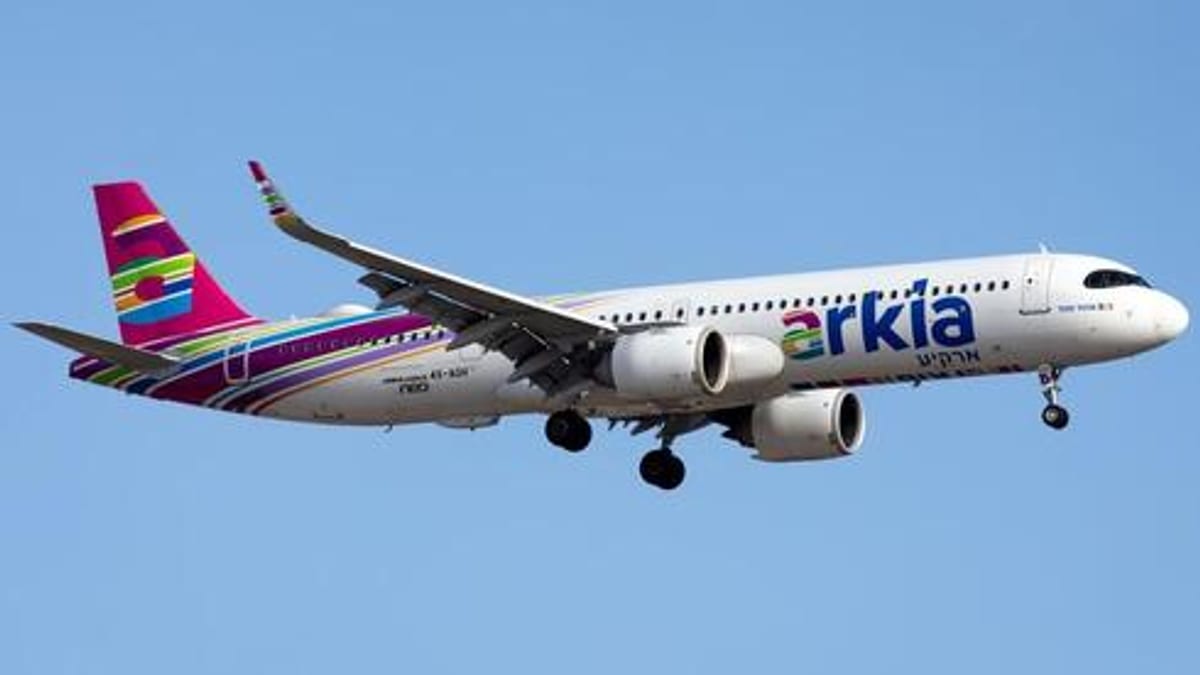
Dozens of Israeli cancer patients returning from treatment in Switzerland were left stranded overnight in Geneva after an Arkia flight to Tel Aviv was significantly delayed, according to multiple media reports, raising fresh concerns about airline responsibilities toward medically vulnerable passengers.
Get the latest news straight to your inbox!
Patients Caught in Overnight Ordeal After Flight Disruption
Reports indicate that the Arkia flight from Geneva to Tel Aviv, carrying cancer patients who had been undergoing treatment at Swiss medical centers, was delayed late in the evening, leaving passengers unable to depart as scheduled. With the disruption stretching into the night, many patients, some reportedly weak from recent therapies, found themselves remaining in the terminal for hours.
According to published coverage, the delay unfolded after passengers had already completed check-in and security procedures, limiting their options for alternative arrangements. Several accounts describe patients resting on seats and floors in the departures area as they waited for updates on the aircraft and revised departure times.
Publicly available information suggests that onward medical schedules, follow-up appointments, and connecting ground arrangements in Israel were affected by the disruption. Family members waiting in Tel Aviv reportedly faced uncertainty through the night as the revised landing time shifted more than once.
Questions Raised Over Airline Support for Vulnerable Travelers
The incident has focused attention on how airlines manage irregular operations when flights carry passengers with serious medical conditions. Consumer advocates in Israel and Switzerland are highlighting the Geneva disruption as a test case for standards of care, particularly around access to rest areas, assistance with accommodation, and timely communication during long delays.
While Arkia has published general policies regarding assistance to passengers with reduced mobility or special needs, the Geneva case has prompted debate over whether such protocols are consistently implemented in real time. Commentators in local media note that cancer patients in active treatment may require rest, temperature control, access to medications, and, in some cases, proximity to medical facilities if a delay extends overnight.
Aviation analysts point out that European regulations on passenger rights set minimum expectations for care during extended delays, including refreshments and hotel accommodation when necessary, but practical delivery often depends on local staffing levels, time of day, and the availability of nearby rooms. The experiences reported from Geneva suggest a gap between written policies and travelers’ perceptions of what was actually provided.
Regulatory Context and Passenger Rights at European Airports
Under European air passenger rules, travelers on delayed flights departing from airports such as Geneva are generally entitled to assistance once disruption surpasses certain time thresholds, depending on flight distance and the length of the delay. This can include meals, communication facilities, and, if an overnight stay is unavoidable, hotel accommodation and transport between the airport and lodging.
Legal specialists quoted in regional coverage emphasize that these protections apply regardless of health status, but note that airlines are strongly encouraged to take particular care when disruptions affect passengers with documented medical needs. In practice, this can involve prioritizing vulnerable travelers for accommodation, arranging quieter waiting spaces, or coordinating with airport medical staff when needed.
Consumer organizations monitoring the Geneva case are examining whether all eligible passengers, including those undergoing cancer treatment, received the level of support foreseen under European norms. They are also assessing whether information about rights and available help was clearly communicated during the overnight delay, an area that frequently draws criticism in disruption scenarios.
Growing Scrutiny of Medical Travel and Airline Preparedness
The Geneva disruption comes amid a broader rise in cross-border medical travel, with patients from Israel and other countries increasingly flying to centers in Switzerland and elsewhere in Europe for oncology care, specialized diagnostics, and advanced therapies. As this trend grows, airlines on key routes are transporting more passengers whose fitness to travel depends on stable schedules and predictable transit conditions.
Health policy observers note that cancer patients often travel on tightly timed itineraries between treatment cycles, with return flights scheduled to minimize exposure to infection and fatigue. When delays extend into the night, as in the Arkia case, the resulting strain may be greater than for typical leisure travelers, particularly if access to rest and privacy is limited within terminal buildings.
Industry commentators suggest that carriers serving high volumes of medical travelers may need to develop more detailed contingency plans for irregular operations, including pre-arranged hotel blocks near airports, closer coordination with airport assistance services, and staff training focused on communicating with and supporting seriously ill passengers during prolonged disruptions.
Calls for Review of Procedures and Better Communication
Following the reports from Geneva, travel rights advocates and patient groups are urging a review of how delays affecting vulnerable passengers are handled on routes between Israel and European hubs. They argue that clearer procedures, better real-time information, and more proactive outreach to passengers with known medical conditions are essential to prevent similar overnight ordeals.
Public discussion surrounding the Arkia flight has also underscored the role of transparency. Observers contend that early, candid updates on the likely duration of a disruption can help travelers and their families make informed choices, whether that means seeking hotel accommodation, adjusting ground transport plans, or contacting medical providers to reschedule follow-up care.
As scrutiny continues, the Geneva incident is being cited as an example of the pressures facing airlines during operational disruptions and the heightened stakes when cancer patients and other medically fragile travelers are among those waiting at the gate. The outcome of any regulatory or internal reviews may influence how carriers across the region prepare for and manage future delays involving high-risk passengers.