


More news on this day
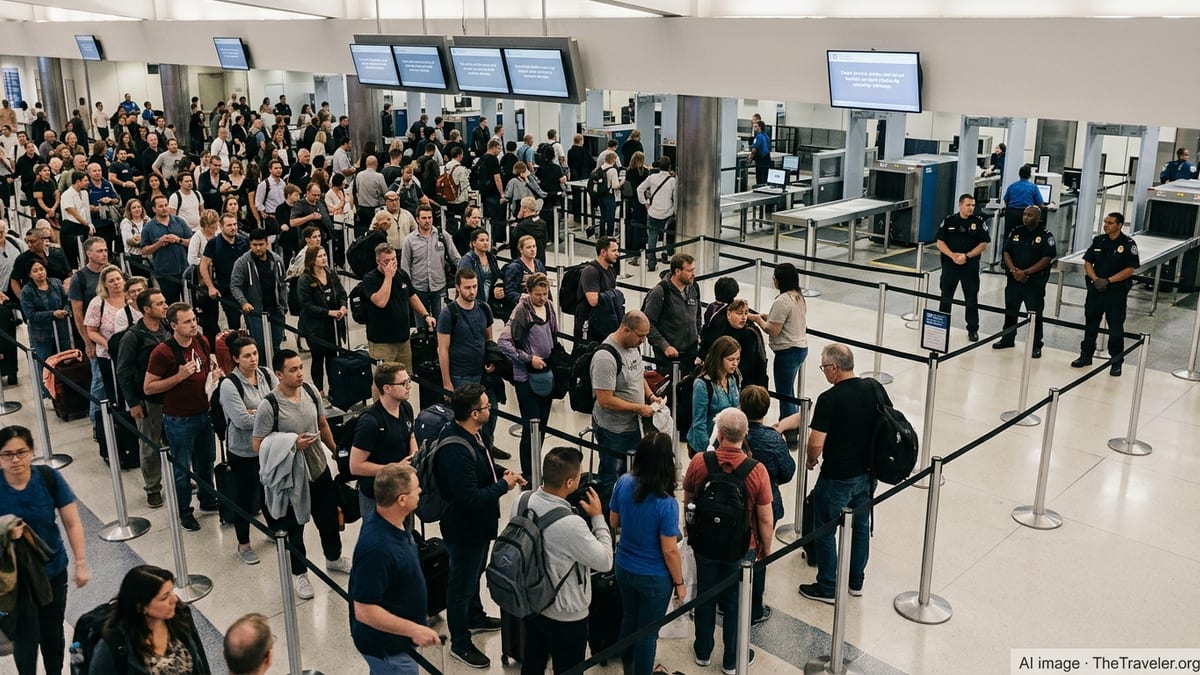
Travellers passing through Calgary International Airport are encountering long lineups, congested check-in areas and residual delays as WestJet works to bring its schedule back on line after days of widespread disruption.
Get the latest news straight to your inbox!
Slow recovery after strike disruption
According to published coverage, WestJet began restoring flights after reaching a tentative agreement with its flight attendants, bringing an end to a labour disruption that had forced hundreds of cancellations over the weekend. Calgary, the airline’s primary hub, is seeing some of the sharpest impacts as aircraft and crew are repositioned and delayed passengers attempt to resume their trips.
Reports indicate that while a significant portion of the WestJet schedule is now operating, the recovery is uneven. Some flights are departing close to on time, while others are experiencing multi-hour delays as the airline works through a backlog of stranded travellers and out-of-position aircraft.
Publicly available information shows that the irregular operations have had a cascading effect on connections through Calgary. Travellers arriving from other Canadian cities and transborder destinations are encountering missed onward flights, overnight rebookings and crowded customer service lines inside the terminal.
Industry analysis suggests that even after a deal is reached, it can take several days for a major carrier to stabilize its network, particularly at a central hub where a large share of flights are interconnected. That pattern appears to be playing out at Calgary International Airport as WestJet rebuilds its timetable.
Lineups at check-in, security and baggage
Reports from the airport describe extended lineups at WestJet check-in counters and self-service kiosks, with some passengers arriving hours ahead of departure only to find long waits to drop off bags or speak with an agent. The concentration of rebooked travellers alongside those on newly scheduled flights is contributing to higher-than-normal volumes in the departures hall.
Calgary International Airport has previously consolidated some terminal operations to manage fluctuating traffic, and current congestion is testing those arrangements. With WestJet using the facility as its primary connecting hub, peaks in passenger flow can quickly translate into crowding at key pinch points such as security screening and boarding gate podiums.
On the arrivals side, travellers are reporting delays in accessing baggage carousels as ground crews work through irregular schedules and late-arriving aircraft. Publicly available airport operations documents note that staffing and equipment are calibrated to typical patterns of activity, which can be strained when flights cluster into shorter periods following earlier delays.
Airport guidance continues to emphasize early arrival, especially for morning departures and transborder flights, as higher volumes and occasional staffing constraints at screening may lengthen processing times during the recovery period.
Passengers navigate rebookings and changing plans
The disruption has left many WestJet customers in Calgary and across the network coping with missed holidays, business trips and family events. Social media posts and traveller forums recount experiences of overnight airport stays, last-minute hotel searches and multiple itinerary changes as the airline adjusts its schedule.
According to publicly available information from consumer advocacy groups, passengers affected by delays and cancellations often face a patchwork of options depending on the cause of the disruption, the length of the delay and whether alternative flights are available. In the current situation, some travellers are accepting later WestJet departures from Calgary, while others are seeking routings through different hubs or on other carriers where space permits.
Travel advisers suggest that during recovery periods like this one, passengers should monitor their bookings frequently, use airline apps where possible to confirm gate changes and departure times, and be prepared for last-minute adjustments. At Calgary International Airport, where connection times can vary significantly depending on gate locations, even short schedule changes can affect the feasibility of tight transfers.
Some travellers have elected to defer non-essential trips altogether, rebooking for later dates to avoid uncertainty. This in turn frees limited capacity for passengers who must travel immediately, but also underscores the broader disruption to travel plans as WestJet rebuilds its normal operations.
Operational challenges at a major WestJet hub
Calgary International Airport serves as WestJet’s main hub, and publicly available airline profiles highlight the city’s central role in the carrier’s domestic and international network. When operations are disrupted at this hub, the impact radiates outward to regional spokes and long-haul routes that rely on smooth connections.
Network planners note that recovering from a system-wide disruption involves more than simply restarting flights. Aircraft and crews must be moved back into position, maintenance windows need to be observed, and regulatory limits on duty times constrain how quickly schedules can be rebuilt. At a hub like Calgary, where aircraft may operate several legs in a day, any imbalance can create further knock-on effects.
Recent airport presentations describe ongoing efforts to streamline passenger flows through centralized security and to optimize runway and gate usage during peak periods. The current WestJet recovery is providing a real-time test of those measures, with higher concentrations of delayed flights stressing turnaround times and ramp operations.
Analysts indicate that once the bulk of delayed passengers are moved and aircraft rotations are restored to normal patterns, WestJet’s Calgary hub should gradually return to more predictable operations. However, scattered delays and occasional cancellations are likely to persist in the short term as the system absorbs remaining imbalances.
What travelers through Calgary should expect
For passengers scheduled to fly through Calgary in the coming days, publicly available travel advisories recommend building in extra time for every stage of the journey. This includes earlier arrivals at the airport, particularly for those checking bags or travelling with families, and allowing generous connection windows when booking itineraries that route through WestJet’s hub.
Travel experts advise that travellers keep documentation of delays, such as boarding passes and notifications, in case they later seek refunds or compensation under applicable rules. While the specifics depend on the nature of each delay and relevant regulations, organized records can help streamline any follow-up.
Reports also suggest that flexible planning may pay off. Where possible, passengers are encouraged to consider alternate flight times that avoid known peak periods at Calgary International Airport, or to adjust travel dates by a day or two while WestJet continues stabilizing its schedule.
Despite the current lineups and frustration, publicly available data on previous disruptions at major hubs indicates that recovery typically advances quickly once a carrier has a clear schedule in place and staffing is aligned. For now, travellers moving through Calgary can expect a busier-than-usual terminal and the possibility of shifting departure times as WestJet completes its return to regular operations.