


More news on this day
Thousands of travelers across Asia are facing widespread disruption after aviation data showed at least 233 flights canceled and 3,693 delayed in a single day, with Hong Kong and several regional hubs among the hardest hit.
Get the latest news straight to your inbox!
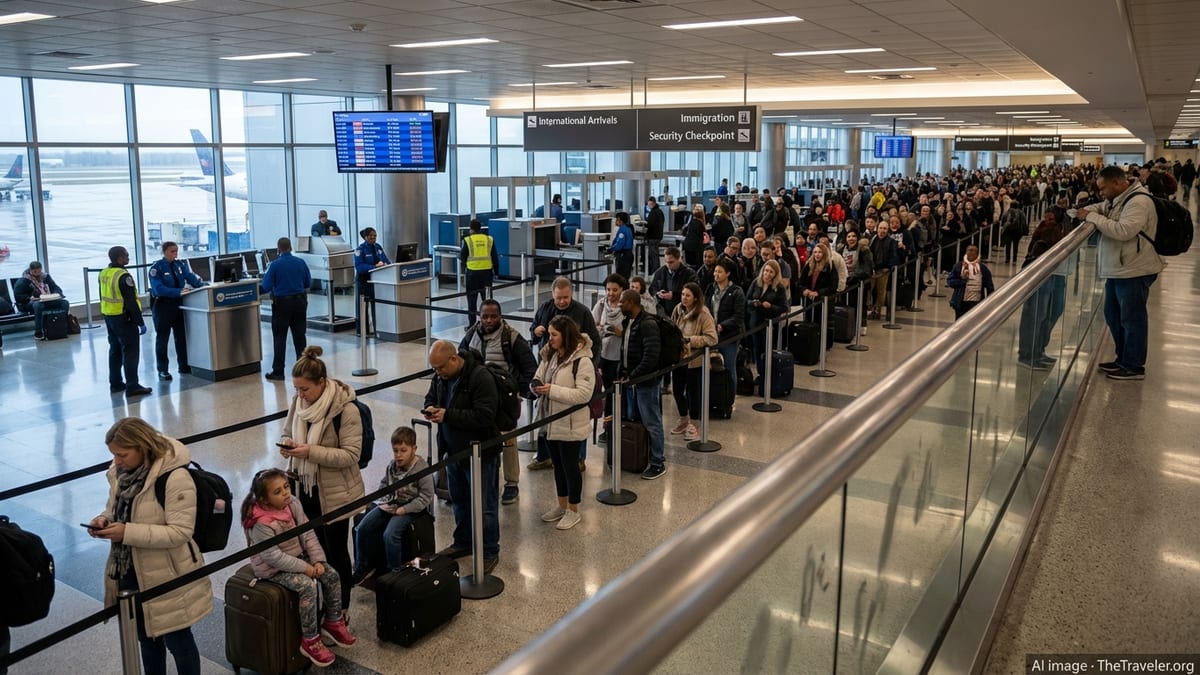
Hong Kong at the Center of a Regional Disruption Spike
Publicly available flight tracking data and regional media coverage indicate that Hong Kong International Airport has recorded one of the highest tallies of cancellations and delays in Asia in recent days, as a combination of severe weather, knock-on operational issues and constrained capacity ripples through airline schedules. The figures of 233 cancellations and 3,693 delays across Asia in a 24 hour window highlight how quickly conditions can deteriorate for passengers when multiple hubs are affected at the same time.
Reports from aviation analytics platforms show that Hong Kong has seen elevated disruption in line with other major Asian gateways, including airports in Japan, Taiwan and Southeast Asia. While Hong Kong’s three runway system is designed to handle heavy traffic, its exposure to tropical weather systems and congestion across regional routes means that delays and ground holds can build rapidly once conditions worsen.
Recent seasons have already underscored Hong Kong’s vulnerability to extreme weather, with previous typhoon related suspensions forcing large scale schedule overhauls and aircraft repositioning. Current disruptions are less severe than full shutdowns, but the volume of delayed departures and arrivals shows how even partial schedule adjustments can translate into significant inconvenience for travelers.
Aviation experts quoted in regional business press have noted that Asian hubs are operating close to pre pandemic traffic levels, leaving less slack in the system when weather or technical issues arise. That tight margin is being felt acutely by passengers who are now dealing with rolling delays, missed connections and last minute cancellations.
Where the Worst Delays Are Hitting Across Asia
While Hong Kong stands out due to its role as a major transfer hub, data from flight tracking services suggests a broader pattern of disruption stretching from Northeast Asia to the Philippines and beyond. Airports serving Tokyo, Taipei and several major Southeast Asian cities have all reported spikes in late running services and localized cancellations tied to thunderstorms, seasonal rains and follow on operational constraints.
Some of the worst punctuality issues appear on short haul regional sectors, where aircraft complete multiple rotations per day. When an early morning leg departs late because of weather or air traffic restrictions, subsequent flights can fall behind schedule, sometimes culminating in the cancellation of a final evening rotation. This pattern is particularly visible on popular leisure and visiting friends and relatives routes such as Hong Kong to Manila, Taipei, Osaka and Bangkok.
Low cost carriers and point to point operators are also feeling the strain. Network decisions to suspend or trim certain Asia routes earlier in the summer have concentrated demand on remaining flights, reducing passengers’ options when irregular operations occur. Travelers booked on routes that operate only a few times per week are finding that a single cancellation can mean a delay of one or more days in reaching their destination.
Regional observers say the current wave of delays is not unprecedented but arrives at a time of elevated demand, with many travelers taking long deferred trips. As a result, aircraft are fuller, standby seats are scarce and any capacity removed by cancellations has an outsized impact.
What Is Driving the 233 Cancellations and 3,693 Delays
Several overlapping factors appear to be driving the latest disruption figures in Asia. Seasonal weather remains a primary trigger: tropical systems in the western Pacific, heavy monsoon rains in parts of Southeast Asia and convective storms over key air corridors all contribute to air traffic control restrictions, diversions and ground stops. These weather events rarely occur in isolation and can affect multiple airports with only a few hours’ notice.
Operational challenges are adding a second layer of complexity. Airlines across the region are still balancing fleet availability and maintenance schedules after several years of uneven recovery. When aircraft rotations are tightly planned, an unexpected technical check or crew availability issue can force last minute schedule changes. Industry commentary has also highlighted ongoing staffing constraints in some ground handling and air traffic control roles, which can slow the recovery once a disruption begins.
Infrastructure constraints at busy hubs are another contributing factor. Even with capacity enhancements, major airports like Hong Kong remain limited by runway slots, terminal gate availability and taxiway throughput during peak hours. When weather temporarily reduces usable runway capacity or requires larger separation between aircraft, delays can quickly propagate throughout the day.
Finally, lingering global supply chain issues for spare parts and high jet fuel prices have pushed airlines to operate their fleets as efficiently as possible. While this improves economics in normal conditions, it leaves less flexibility to add backup aircraft or extra flights on short notice when widespread delays occur.
How Disruptions Are Affecting Travelers Right Now
For passengers, the numbers behind the current wave of disruptions translate into missed holidays, business meetings and family events across Asia. Social media posts and travel forums are filled with accounts of travelers stranded overnight in Hong Kong and other hubs after misconnecting on long haul itineraries or finding their regional legs canceled late in the day.
Many travelers are reporting long lines at transfer desks and customer service counters as airlines work through rebooking backlogs. With flights running near capacity, especially on weekends and peak travel days, available seats on later departures can be scarce. Some passengers have described being rebooked one or two days later than planned or being offered circuitous routings through alternative hubs.
Accommodation and meal support varies significantly between carriers and jurisdictions. In some cases, travelers on longer delays receive hotel stays and vouchers, while others report spending the night in terminal seating. Publicly available information from consumer rights agencies reiterates that compensation rules differ widely between domestic and international flights and depend on the cause of the disruption, leaving many passengers uncertain about what they can claim.
Connecting passengers are particularly vulnerable, as a relatively short delay on an inbound long haul flight can result in a missed regional connection. Once that happens, options depend on how many daily frequencies exist on the onward route and whether partner airlines can step in with spare capacity.
What Travelers Can Do If Their Flight Is Affected
Given the scale of current disruptions, aviation analysts and travel advisers are emphasizing preparation and flexibility for anyone flying through Hong Kong and other Asian hubs in the coming days. Travelers are encouraged to monitor their flight status regularly using airline apps and independent flight tracking tools, as schedules can shift quickly in response to changing weather and operational conditions.
Passengers with tight connections may wish to proactively request earlier departures or longer layovers where possible, particularly when connecting from long haul to regional flights. For essential trips, booking morning departures can provide more recovery options later in the day if delays occur. Those with non urgent travel dates might consider moving trips outside forecast peak weather windows.
In the event of a cancellation or long delay, publicly available guidance from consumer advocates recommends documenting all expenses, keeping boarding passes and confirmation emails, and contacting the airline through multiple channels such as mobile apps, call centers and airport desks. Travelers who booked through online agencies or tour operators may also have access to separate support channels or rebooking tools.
Travel insurance can offer an additional layer of protection, although coverage terms vary. Policies that include trip interruption or missed connection benefits may help offset accommodation, meals or alternative transport costs. Passengers are advised to review policy details carefully and obtain written confirmation of the reasons for any disruption from the carrier to support claims.