


More news on this day
Australia has tightened its travel advice for South Africa, placing a renewed focus on violent crime and security risks in a move that aligns its warning more closely with alerts already issued by the United States and the United Kingdom.
Get the latest news straight to your inbox!
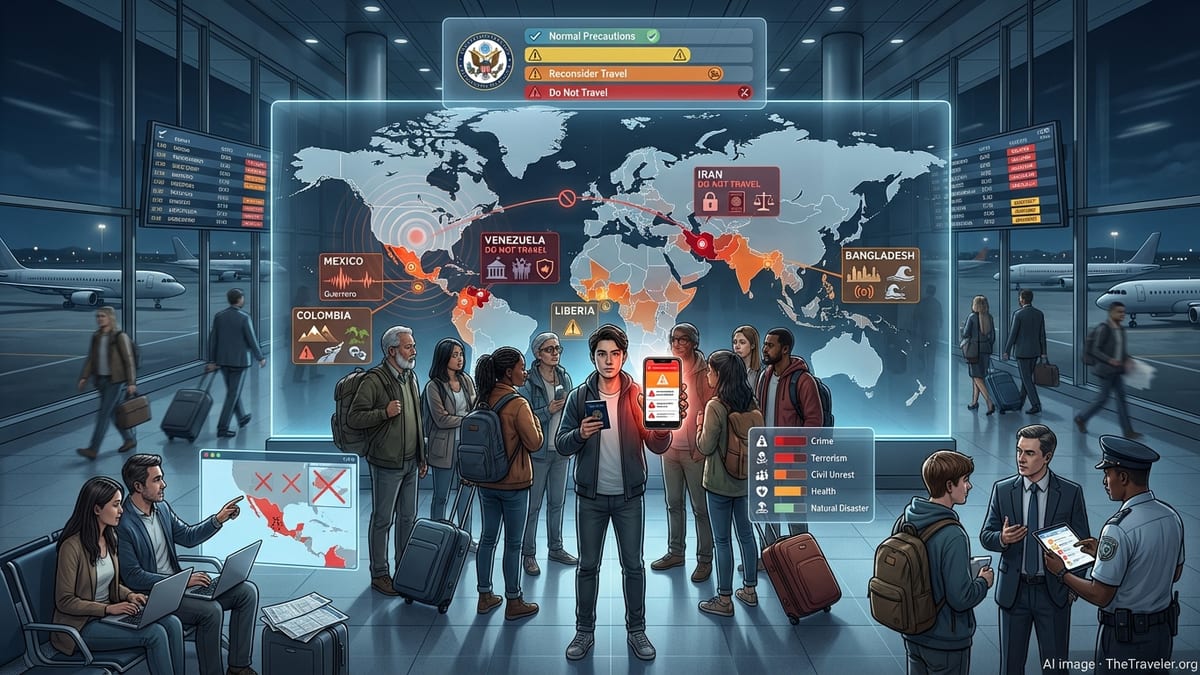
Australia’s Smartraveller raises alarm on violent crime
Updated Australian guidance published in mid-May 2026 on the Smartraveller platform highlights what it describes as serious levels of crime and violence across South Africa, including murder, rape, assault, robbery and carjacking. The advisory notes that incidents can occur in both major cities and popular tourist areas, and stresses that foreign visitors are not immune from opportunistic or targeted crime.
Publicly available information indicates that Australia now categorises South Africa among its higher-risk destinations, urging travellers to maintain a high degree of caution, particularly after dark and in less-frequented neighbourhoods. The advice points to incidents such as armed robberies at accommodation, food and drink spiking in nightlife districts and vehicle hijackings at intersections and driveways.
The updated Australian guidance also counsels travellers to avoid walking alone at night, to seek local advice before visiting townships or informal settlements, and to keep valuables out of sight in public spaces. Specific reference is made to the risk of crime on and around major highways and arterial routes, including while travelling to and from airports.
In addition, Smartraveller highlights broader security vulnerabilities, including the potential impact of civil unrest, strikes and sporadic protest action that can disrupt road travel and public services. Travellers are advised to monitor local media and be prepared for sudden changes to transport and safety conditions.
US travel advisory flags crime, unrest and kidnapping
The United States currently maintains a Level 2 “Exercise increased caution” travel advisory for South Africa, updated in late May 2025. According to the State Department’s publicly available advisory, the rating is driven by persistent concerns over crime, terrorism, civil unrest and kidnapping, particularly in and around major urban centres.
The advisory notes that violent crime is more common in downtown areas of big cities, especially after dark, and lists armed robbery, rape, carjacking and home invasion among recurring threats. It also references constraints on movement for US government personnel in certain townships and high-crime districts, illustrating the seriousness with which security risks are assessed in specific parts of the country.
While the overall country rating remains at Level 2, the United States travel advisory system allows for stronger cautions in particular locations. In practice, this means that some neighbourhoods or transit routes within South Africa may be subject to more restrictive guidance than the general national advisory suggests, especially where criminal networks or unrest have been more active.
The US advisory further cautions travellers to be aware of load-shedding and infrastructure disruptions that can affect street lighting, traffic signals and security systems. Visitors are encouraged to plan journeys carefully, avoid isolated areas and consider using reputable transport providers when moving between airports, hotels and tourist attractions.
UK reinforces message on high crime in tourist hubs
The United Kingdom’s Foreign, Commonwealth & Development Office maintains an active travel advice page for South Africa that has been updated several times in 2025 and 2026. According to recent summaries published by travel industry associations and UK government sources, the guidance continues to stress that South Africa experiences high levels of crime, including violent incidents that can affect visitors.
UK advice highlights risks such as muggings, armed robberies and carjackings in and around tourist-frequented areas, as well as increased vulnerability when travelling to and from airports. Particular attention is drawn to routes leading into major cities, where criminals have been known to target vehicles caught in traffic or slowing for junctions and tolls.
The FCDO also advises that crime can rise during power cuts, when street lighting and security measures may be compromised. Travellers are encouraged to stay in accommodation with good security, to avoid displaying expensive items, and to seek local guidance on which neighbourhoods and driving routes are considered safer at different times of day.
Despite the strong security messaging, UK travel advice does not discourage travel outright to most of South Africa. Instead, it focuses on risk awareness and practical protective steps, suggesting that informed planning and cautious behaviour can significantly reduce exposure to crime.
Shared themes across the three advisories
Although the Australian, US and UK systems use different formats and rating scales, their current guidance on South Africa converges on several core themes. All three identify violent crime as a central concern, and each highlights carjacking, armed robbery, sexual violence and home invasions as recurring risks that can affect both residents and visitors.
The advisories also emphasise that crime is not confined to outlying areas. Popular tourist districts, nightlife zones and transport corridors feature prominently in public security messaging, with warnings that criminals may target travellers leaving restaurants, withdrawing cash or arriving late at accommodation.
Another common focus is situational awareness during ground travel. The three countries’ advice consistently encourages travellers to use major roads where possible, avoid isolated shortcuts suggested by navigation apps, and keep vehicle doors locked and windows closed. There is particular caution around stopping at the roadside, especially at night, due to the risk of staged breakdowns or fake accidents.
Energy shortages and intermittent infrastructure performance form a further shared concern. Guidance from each government advises that power cuts can weaken security perimeters, affect traffic management and increase opportunities for opportunistic crime, reinforcing the need for well-secured accommodation and flexible travel plans.
Implications for leisure and business travel
The alignment of Australian, US and UK guidance does not signal a blanket recommendation against visiting South Africa, but it does underscore a more cautious posture from three of the country’s largest long-haul markets. Travel industry observers note that such warnings can influence insurance conditions, corporate travel policies and the decision-making of first-time visitors.
Tour operators and airlines continue to promote South Africa as a major tourism destination, citing its wildlife reserves, wine regions and coastal cities as strong drawcards. However, many now integrate more explicit security briefings into pre-departure materials and encourage customers to share itineraries, arrange reliable airport transfers and pre-book excursions with established providers.
Business travellers are likewise being urged to review corporate security protocols, particularly when arranging meetings in unfamiliar districts or scheduling after-hours engagements. Some companies are reportedly revisiting policies on self-drive car hire, late-night airport arrivals and independent movement around central business districts.
For individual travellers, the strengthened advisories from Australia, the United States and the United Kingdom collectively point to the importance of detailed planning. Recommendations commonly include checking official guidance before booking, registering with consular services where available, and maintaining a flexible itinerary that can be adjusted if local security conditions deteriorate at short notice.