


More news on this day
Australia has renewed its strongest travel warning for Afghanistan, cautioning citizens not to travel under any circumstances as security conditions remain highly volatile and consular support options extremely limited.
Get the latest news straight to your inbox!
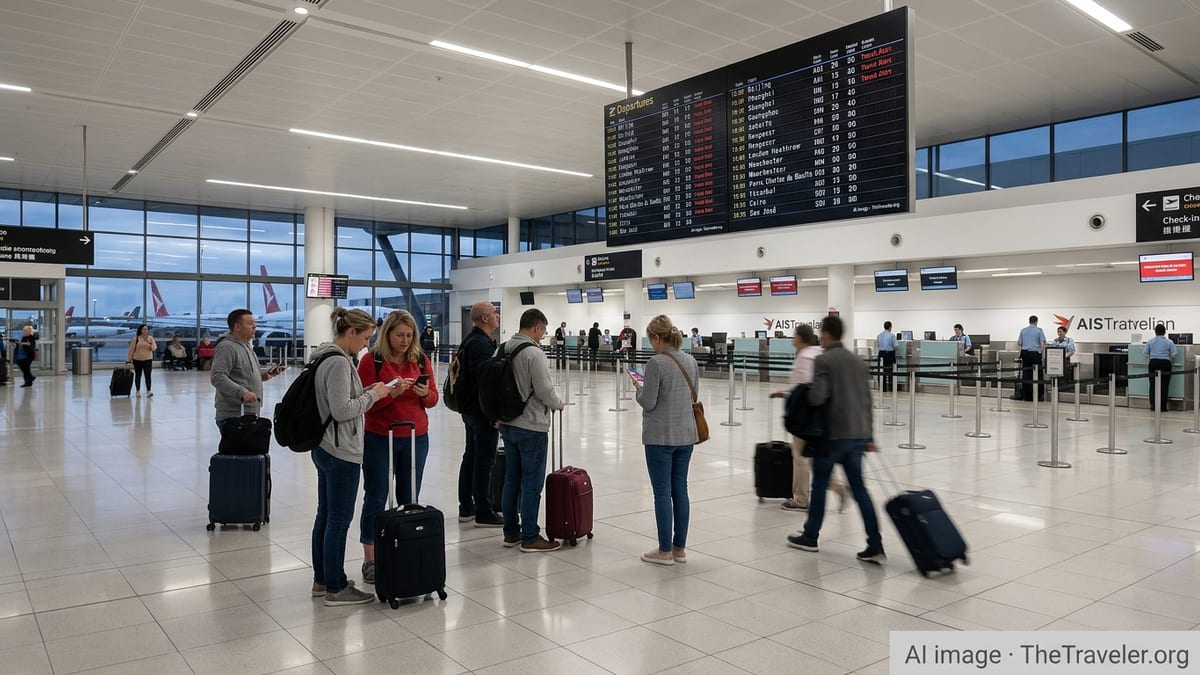
Travel Advisory Remains at the Highest Warning Level
Australia’s official travel advice for Afghanistan continues to sit at the highest alert, with guidance from the Smartraveller service and the Department of Foreign Affairs and Trade indicating that Australians should not travel to the country for any reason. Publicly available information shows that Afghanistan is classified at Level 4, the most severe advisory, reflecting ongoing conflict, terrorism threats and widespread instability.
The updated language in late May 2026 underlines that the security environment is unpredictable, with risks including targeted attacks, improvised explosive devices and the potential for rapid deterioration in local conditions. According to published coverage, the warning applies equally to all parts of Afghanistan, including major cities and transport routes that might once have been used by travellers.
Travel advice platforms describe a situation in which foreign nationals could be at heightened risk, and where basic services, including medical care and secure accommodation, cannot be relied upon. In this context, Australian authorities have made clear through public advisories that those who are in Afghanistan despite the warning face dangers that cannot be mitigated through normal precautions.
The persistence of a Level 4 advisory contrasts with recent downgrades for parts of the Middle East, where some destinations have shifted from “Do Not Travel” to lower warning categories. That contrast further highlights how Afghanistan remains a particular concern within the broader global risk landscape for Australian travellers.
Security Risks for Travellers and Aid Workers
Reports indicate that Afghanistan remains affected by a complex mix of armed groups, political uncertainty and serious crime, creating an environment that is especially hazardous for visitors. Travel advisories describe a high likelihood of terrorist attacks at short notice, including in locations that could attract foreigners such as markets, religious sites, government facilities and transport hubs.
Information compiled by international travel and security agencies points to continued incidents involving bombings, targeted killings and clashes between armed actors. The presence of unexploded ordnance and landmines in both rural and peri-urban areas also adds to the long-term risk, particularly for travellers who might contemplate overland journeys.
Aid workers and journalists, who historically formed a large part of the foreign presence in Afghanistan, are also singled out in open-source briefings as particularly exposed. The risk of kidnapping, arbitrary detention and harassment is considered elevated, and the lack of reliable law enforcement in many regions makes it difficult to resolve incidents or secure safe passage.
These factors collectively underpin Australia’s blanket warning against travel. Even well-prepared or experienced travellers are advised that they cannot safely navigate the current environment, given the potential for sudden deterioration and limited options for external assistance if something goes wrong.
Limited Consular Support for Australians in Afghanistan
Publicly accessible guidance emphasises that Australia’s ability to provide consular assistance inside Afghanistan is extremely constrained. The former embassy in Kabul remains closed, and there is no resident diplomatic mission from which to offer routine support, emergency evacuations or on-the-ground intervention in crises.
Smartraveller and related government resources advise that Australians who remain in Afghanistan, or who enter the country despite the warning, should not assume that consular officers will be able to reach them. In many cases, assistance would need to be coordinated remotely from outside Afghanistan, relying on third-country partners, commercial options or humanitarian channels, all of which may be intermittent or unavailable.
Guidance for those currently in the country focuses on basic survival measures: keeping a low profile, avoiding large gatherings, monitoring local media where possible and having contingency plans for sheltering in place for extended periods. The emphasis on self-reliance reflects the reality that in a severe security incident, evacuation routes may be blocked or too dangerous to use.
Australians with family or community connections in Afghanistan are also urged, via public information campaigns, to plan carefully and consider alternatives to in-country visits, such as remote support or meeting relatives in safer third countries, rather than attempting to travel into Afghanistan itself.
Impact on Humanitarian Travel and Regional Connections
The continued “Do Not Travel” warning has significant implications for humanitarian workers, development specialists and diaspora communities with close ties to Afghanistan. While Australia remains a contributor to international humanitarian efforts, government fact sheets and partnership plans make clear that most assistance is channelled through multilateral organisations and non-governmental partners that have their own security frameworks.
Travel advisories note that even for essential humanitarian operations, movements within Afghanistan are often tightly controlled, subject to security clearances and dependent on local negotiations. This environment leaves little scope for informal or private travel, even when motivated by urgent family needs.
The warning also complicates regional journeys that might otherwise route through or near Afghanistan. Travellers planning overland trips in Central and South Asia are frequently reminded, in guidance from multiple governments, that land borders with Afghanistan may be closed, heavily militarised or unsafe, and that detours can be lengthy and unpredictable.
For the Australian Afghan diaspora, many of whom maintain strong personal and cultural links to the country, the advisory effectively places traditional visits on indefinite hold. Community organisations and legal support services often encourage alternative ways of staying connected, including digital communication and support for humanitarian initiatives that operate on the ground.
Practical Advice for Travellers and Those with Ties to Afghanistan
For Australian travellers, the central message is clear: avoid planning trips to Afghanistan and reconsider any itineraries that might rely on transiting through its territory or border regions. Travel insurance providers commonly exclude coverage for destinations under “Do Not Travel” warnings, meaning that medical evacuations, cancellations and other losses may not be reimbursed.
Public information recommends that Australians who believe they must travel, for example due to compelling family or professional reasons, should first explore whether their aims can be met in safer locations. Meeting relatives in neighbouring countries that carry lower advisory levels, or using remote collaboration tools for work, is frequently cited as a safer alternative.
Those who are already in Afghanistan are encouraged by official guidance to register their presence with consular services, maintain updated travel documents and have sufficient funds and supplies to cope with disruptions. They are also urged to maintain flexible exit plans, bearing in mind that commercial flights and land routes can be reduced or suspended at short notice.
The ongoing warning underscores a broader pattern in global mobility in 2026, where certain destinations have become effectively inaccessible for tourism due to overlapping security, political and humanitarian crises. Afghanistan remains one of the clearest examples, with Australia’s advisory system signalling that, for now, it is not a place for ordinary travel.