


Australia is vast, varied, and surprisingly easy to travel once you understand its distances, seasons, and costs. From coral reefs off Queensland to red desert in the Northern Territory and laneway cafes in Melbourne, a smart plan will help you turn a long haul flight into a once in a lifetime journey. This guide brings together the most compelling places to visit in Australia right now, along with practical tips locals share with visiting friends.
Get the latest updates straight to your inbox!
How to Plan Your Trip to Australia
Australia is roughly the size of the continental United States, but with far fewer major cities. Most visitors fly into Sydney or Melbourne and then connect by air to other regions such as Cairns for the Great Barrier Reef or Uluru in the Red Centre. Internal flights with Qantas, Virgin Australia, Jetstar and Rex can be surprisingly competitive if booked a few months ahead, but you should still expect many one way domestic fares between major hubs to sit around 150 to 300 Australian dollars in peak periods. For short trips under three weeks, flying between key regions saves huge amounts of time compared with cross country road trips.
Daily budgets vary widely by travel style. Recent backpacker and budget guides for 2026 suggest that an ultra budget traveller staying in hostel dorms, cooking most meals and using public transport can get by from about 80 to 110 Australian dollars per day in big cities, assuming shared rooms and minimal paid tours. A comfortable mid range budget that allows a private room in a decent hotel or apartment, cafe breakfasts and a few organized excursions such as a Great Barrier Reef cruise or a wine tour will typically land around 200 to 350 Australian dollars per person per day.
Visas remain mandatory for most nationalities except New Zealand citizens, and almost all short stay visitors use an electronic visa that must be arranged online before boarding their flight. Processing is usually quick, but rules can change and border officers have broad discretion, so it is wise to check the official Australian government website shortly before departure, ensure your passport has at least six months validity, and keep proof of onward travel and accommodation handy at immigration.
Travel insurance is strongly recommended and typically costs only a couple of US dollars per day for basic coverage when bought in advance. Medical treatment in Australia is high quality but expensive for visitors. A straightforward emergency visit can easily dwarf the price of a policy, so many experienced travellers now consider insurance as essential as a passport for long haul trips to Australia.
When to Go and How Long to Stay
Because Australia spans several climate zones, there is no single best month to visit. The southern cities of Sydney, Melbourne, Adelaide, Hobart and Perth have mild, sometimes wet winters from June to August and warm summers from December to February. In practical terms, that means a January afternoon at Bondi Beach can feel similar to a July afternoon in southern Europe, while a July visit to Melbourne often requires a coat and umbrella. Many first time visitors aim for the shoulder seasons of March to May or September to early November, when airfares may soften slightly and temperatures are pleasant in most regions.
In tropical Queensland and the Top End, including Cairns, Port Douglas, the Whitsundays and Darwin, the dry season from roughly May to October brings lower humidity, clearer water visibility and far fewer storms. This is the sweet spot for Great Barrier Reef trips and Daintree Rainforest excursions, although it is also peak season for prices and availability. Wet season months can still be rewarding, but you may face heavy rain, stinger season restrictions on swimming, and occasional cyclone related disruptions, which is why many visitors time their reef trips carefully.
To cover a classic Sydney, Reef and Red Centre route without feeling rushed, two to three weeks is ideal. A popular pattern for a first visit is four days in Sydney for the harbour and coastal walks, three days in Cairns or Port Douglas for the reef and rainforest, two full days on the ground at Uluru and Kata Tjuta, and four days in Melbourne for food, galleries and a Great Ocean Road side trip. Those with only ten to twelve days often choose between outback and reef, pairing either Uluru or Cairns with one major city to keep connections simple.
If your focus is one region alone, shorter trips can still work well. For example, a one week beach holiday in the Whitsundays might combine a stay on Airlie Beach with a night or two on Hamilton Island and a sailing day to Whitehaven Beach. Likewise, a week based in Tasmania could be split between Hobart for Mona and the waterfront, the Tasman Peninsula for dramatic coastal hikes, and the Cradle Mountain area for cool climate alpine scenery.
Unmissable Cities: Sydney, Melbourne and Beyond
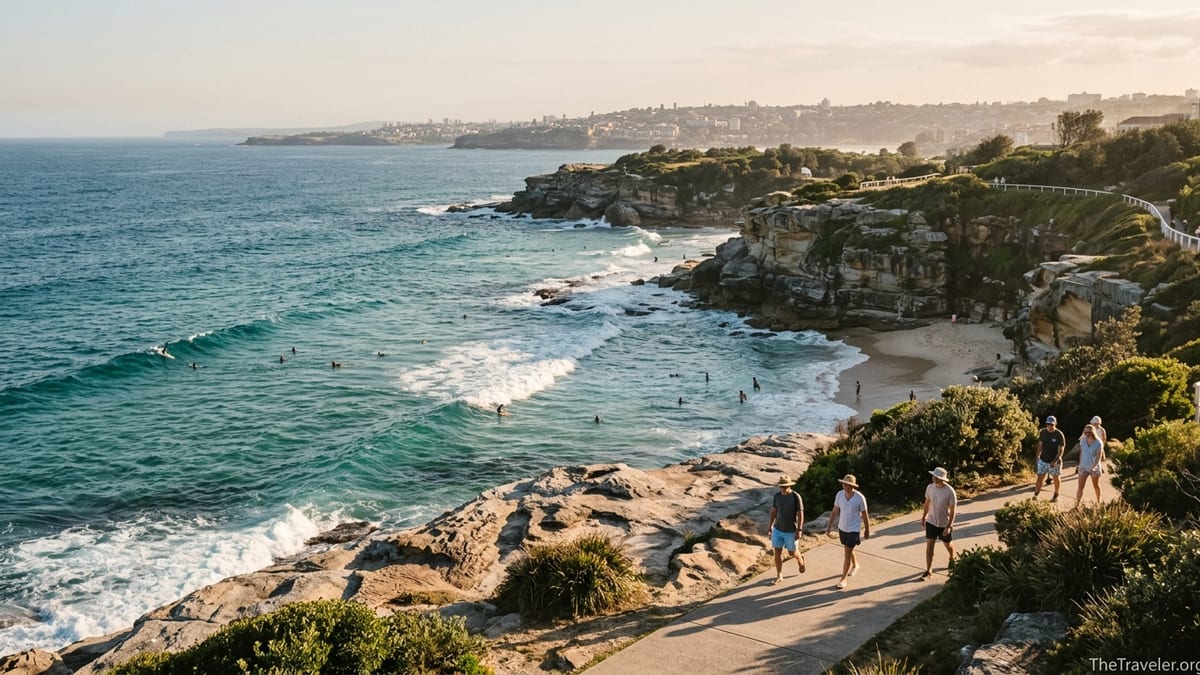
Sydney is often the first stop and it earns its reputation. The harbour, anchored by the Sydney Opera House and Harbour Bridge, shapes the whole city. A classic first day might start with a ferry ride from Circular Quay to Manly, which gives million dollar skyline views for the price of a public transport ticket, followed by a swim at Manly Beach and a walk through the Corso. On another day, many visitors follow the 6 kilometre coastal walk from Bondi to Coogee, passing rock pools and small coves like Tamarama and Bronte. This free activity has become a local favourite for showing off Sydney’s outdoor lifestyle to friends from overseas.
Melbourne, by contrast, seduces slowly with laneway cafes, street art and a strong cultural calendar. You could spend a full day exploring around Flinders Street Station, Federation Square and the narrow laneways that radiate out, stopping for coffee on Degraves Street, browsing independent boutiques on Little Collins Street and spotting murals in Hosier Lane. Food obsessed travellers often book ahead for popular restaurants in the inner suburbs of Fitzroy, Carlton and Collingwood, where modern Australian cooking showcases local seafood, native herbs and cool climate wines from nearby Yarra Valley and Mornington Peninsula.
Brisbane, Adelaide and Perth make excellent bases for those with extra time or repeat visitors. Brisbane pairs a subtropical riverside setting with easy access to the Gold Coast, Sunshine Coast and nearby islands such as Moreton and North Stradbroke. Adelaide offers small city charm, historic sandstone architecture and fast access to the Barossa and McLaren Vale wine regions. Perth, isolated on the west coast, rewards the long flight with Indian Ocean beaches, trips to Rottnest Island to see quokkas, and sunset drinks in coastal neighbourhoods such as Cottesloe and Scarborough.
Smaller cities are worth adding if your itinerary allows. Hobart in Tasmania has grown from a quiet port to a buzzing long weekend destination, thanks largely to the Mona museum and an evolving food scene that leans heavily on local produce like oysters and cool climate wines. Darwin serves as a friendly, tropical gateway to Kakadu and Litchfield National Parks, with lively markets and waterfront dining that reflects its proximity to Southeast Asia.
Natural Icons: Reef, Desert and Rainforest
The Great Barrier Reef remains one of Australia’s strongest drawcards. Most visitors base themselves in Cairns or the smaller resort town of Port Douglas, from where a full day boat trip typically includes snorkelling gear, a simple buffet lunch and a reef tax or marine park fee built into the price. Expect many reputable operators to charge somewhere in the range of 200 to 300 Australian dollars per adult for a full day outer reef trip, with optional extras like introductory scuba dives adding to the total. Families on a budget often choose shorter half day reef or island trips from Cairns that cost less and involve calmer waters.
In the Northern Territory, Uluru and nearby Kata Tjuta are the heart of many outback itineraries. Most travellers fly to Ayers Rock Airport via Sydney or Melbourne and stay in the small resort area known as Yulara. A typical visit includes an early morning base walk or guided cultural tour around Uluru to understand its significance to the Anangu people, and a sunset viewing where the rock seems to change colour with the light. Nearby Kata Tjuta rewards those prepared for longer walks, such as the Valley of the Winds track, which takes several hours and requires sturdy footwear, water and an early start in warmer months.
Rainforests and coastal landscapes provide a cool counterpoint to the desert. North of Cairns, the Daintree Rainforest and Cape Tribulation region offer jungle lined beaches, boardwalks through lush forest and night tours that reveal nocturnal wildlife. On the opposite side of the country, Western Australia’s Margaret River region combines surf beaches, limestone caves and towering karri forests with cellar doors that pour some of the country’s best cabernet and chardonnay. Short walks in these areas often start directly from car parks, which makes them accessible to travellers who are not hardcore hikers but still want to experience wild scenery.
For dramatic coastline, many visitors add a day or two to drive all or part of the Great Ocean Road from Melbourne. This heritage listed route between Torquay and Allansford is known for surf beaches, waterfalls and sea cliffs, with the Twelve Apostles rock formations being the headline stop. In practice, you will find several viewpoints and loop walks off the main road, and spacing your trip over at least one overnight stay rather than a rushed day trip allows time to explore small towns like Lorne, Apollo Bay and Port Campbell along the way.
Getting Around: Flights, Trains and Road Trips
Because of the country’s scale, flying is often the most practical way to move between regions. Carriers like Qantas, Virgin Australia and Jetstar connect all major cities and key tourist centres such as Cairns, Alice Springs and Darwin. Domestic flights usually include at least a small cabin bag by default, but checked baggage allowances vary by fare type and airline, so always check details when booking. Some economy fares now include only 7 to 8 kilograms of carry on and charge extra for checked bags, a practice that has become more common across Australian airlines since 2025.
Once you are in a region, drives and road trips become part of the experience. International visitors frequently rent a compact or mid size car, with daily rates that can fluctuate widely between roughly 50 and 120 Australian dollars depending on season, location and insurance coverage. In high season around Christmas, Easter and school holidays, booking cars well in advance is almost as important as booking accommodation. Common self drive routes for first timers include Sydney to Byron Bay via the Pacific Highway, Melbourne to Adelaide via the Great Ocean Road, and loops around Tasmania starting and ending in Hobart or Launceston.
Public transport works well for city sightseeing. In Sydney, Melbourne and Brisbane you can rely on trains, light rail and buses using contactless payments or local transport cards that cap daily spend. For example, a visitor might spend a day in Sydney tapping a credit card to ride trains from the CBD to Bondi Junction, a bus to Bondi Beach and a ferry back from Watsons Bay without ever needing a paper ticket. In smaller cities and regional areas, services thin out and a rental car or organized tour often becomes the only truly convenient option.
Long distance trains and buses are more about the journey than saving time or money. Iconic rail services such as the Ghan between Adelaide and Darwin or the Indian Pacific between Sydney and Perth offer multi day trips with sleeper cabins and dining included, but they tend to cost more than a flight. Budget minded travellers more commonly use overnight buses for specific legs, for instance between Sydney and Byron Bay, to save a night of accommodation, while understanding that comfort levels are basic compared with trains or flights.
Costs, Money Saving Tips and Local Etiquette
Australia regularly surprises visitors with higher prices than they expect, especially for food and labour intensive services. A simple cafe breakfast of eggs and coffee in Sydney or Melbourne often runs to 25 or 30 Australian dollars, and a pint of beer in an inner city bar can sit around 12 Australian dollars. Locals manage costs by taking advantage of supermarket meal deals, cooking at home or in shared hostel kitchens, and making use of free public facilities such as barbecues in coastal parks. Travellers can do the same by shopping at Coles, Woolworths or Aldi for breakfast and picnic supplies and saving restaurant meals for evenings.
Accommodation can also eat a large share of your budget. In big cities and popular coastal towns, basic hostel dorm beds typically cost around 35 to 50 Australian dollars per night, with private double rooms in simple hotels or motels more commonly starting from 130 to 200 Australian dollars, depending on location and season. Booking midweek, avoiding major event dates and considering neighbourhoods slightly outside the main tourist districts often reduces prices without adding much travel time. For example, staying in Sydney’s Glebe or Newtown can be significantly cheaper than The Rocks, while still leaving you just a short train or bus ride from the harbour.
There are simple ways to adapt to local etiquette. Australians tend to be informal and direct, but value politeness and queuing. Tipping is not compulsory, since staff are covered by relatively high minimum wages, yet it is appreciated for good service. Rounding up a bill or leaving about 10 percent in a restaurant is common but not expected, and there is no need to tip for every small purchase. At beaches, follow lifeguard instructions and always swim between the red and yellow flags, which mark the safest area. In national parks and around sacred sites such as Uluru, staying on marked paths, respecting photography restrictions and not touching rock art are basic forms of respect.
Safety standards are generally high, but distances and nature deserve respect. Long drives in remote areas should be planned carefully, including checking fuel stops, sharing your route with someone, and carrying extra water. In the ocean, jellyfish and strong rips can pose real risks in some regions and seasons, while in the bush you should take standard precautions against heat, dehydration and, in some areas, snakes. Most of these risks are easily managed by following local signage, listening to advice from rangers or surf lifesavers, and resisting the temptation to cut across unmarked tracks to save time.
Local Experiences and Cultural Insight
Some of the most memorable Australian experiences are also the most low key. Joining locals for a sunset picnic at a harbour side park in Sydney, grabbing fish and chips to eat on the beach in Perth, or browsing weekend farmers markets in Brisbane or Hobart gives a stronger sense of place than ticking another viewpoint off a list. Live sport is another window into local culture. Attending an Australian Rules football match in Melbourne, a rugby league game in Sydney or a cricket test in Adelaide introduces you to local rituals, slang and snacks, even if you do not fully understand the rules.
Indigenous culture is present across the country but can be easy to miss if you only skim city centres. Look for First Nations guided walks in major cities, where local custodians explain how the land was used before colonisation and point out plants with traditional uses. In the Red Centre, many visitors join Anangu led tours around Uluru that focus on Tjukurpa stories and the correct way to experience this sacred place. At cultural centres in Cairns and Kuranda, performances and exhibits introduce visitors to the music, art and stories of Aboriginal and Torres Strait Islander communities in northern Queensland.
Food and drink reflect Australia’s multicultural makeup. In one week you might eat Vietnamese pho in Melbourne’s Footscray, Italian pasta on Lygon Street in Carlton, Lebanese meze in western Sydney and modern Australian dishes based around local seafood and native ingredients like wattleseed or lemon myrtle in a fine dining restaurant. Coffee culture is serious, with espresso based drinks like flat whites and long blacks the default. Prices are not low, but spending a morning in a neighbourhood cafe can feel as much a part of the trip as visiting a museum.
Finally, Australians are generally open to questions and enjoy sharing local tips, as long as you respect their time. Asking a bartender which nearby small bar they like, or a barista which beach they escape to on days off, often yields more authentic ideas than any brochure. Many travellers report that a single recommendation, such as a quiet ocean pool in Sydney or a bakery in a Melbourne suburb, becomes a highlight of their trip, precisely because it came from a casual local conversation.
FAQ
Q1. How many days do I need for a first trip to Australia?
Most first time visitors find that two to three weeks allows them to see at least two major regions, for example Sydney and the Great Barrier Reef or Melbourne and the Red Centre, without feeling constantly rushed.
Q2. What is the best month to visit Australia?
There is no single best month, but April, May, September and October often offer pleasant weather across both southern cities and tropical Queensland, along with slightly lower crowds than peak summer holidays.
Q3. Do I need a visa to visit Australia as a tourist?
Almost all visitors except New Zealand citizens require a pre arranged electronic visa for short stays, so you should check the current requirements on the official Australian government site well before you fly.
Q4. Is Australia very expensive to travel?
Australia can feel costly, especially for dining out and accommodation in major cities, but careful planning, supermarket shopping, hostel kitchens and free outdoor activities can keep daily budgets manageable.
Q5. Can I get around Australia without renting a car?
Yes, in big cities you can rely on public transport and domestic flights between regions, but renting a car makes exploring coastal areas, national parks and smaller towns much easier and more flexible.
Q6. Is it safe to swim at Australian beaches?
Swimming is a huge part of local life and is generally safe if you choose patrolled beaches, stay between the red and yellow flags, heed lifeguard instructions and avoid entering the water during dangerous conditions.
Q7. How far in advance should I book Great Barrier Reef tours?
In the busy dry season from about June to October, it is wise to reserve popular reef cruises at least a few weeks ahead, especially if you have fixed dates or are travelling in school holiday periods.
Q8. What should I pack for an Australia trip with different climates?
Pack lightweight layers, a sunhat, sunscreen, a compact rain jacket and comfortable walking shoes, then add a warmer layer for cooler southern evenings or outback nights, where temperatures can drop sharply.
Q9. Do I need to tip in restaurants and bars?
Tipping is not obligatory in Australia, but leaving a small amount or rounding up the bill for good service in restaurants and bars is appreciated and increasingly common in larger cities.
Q10. Is it easy to find vegetarian or vegan food in Australia?
Yes, vegetarian and vegan options are widely available in major cities and many regional centres, with plant based cafes and menu sections now common in suburbs and coastal towns popular with visitors.