


More news on this day
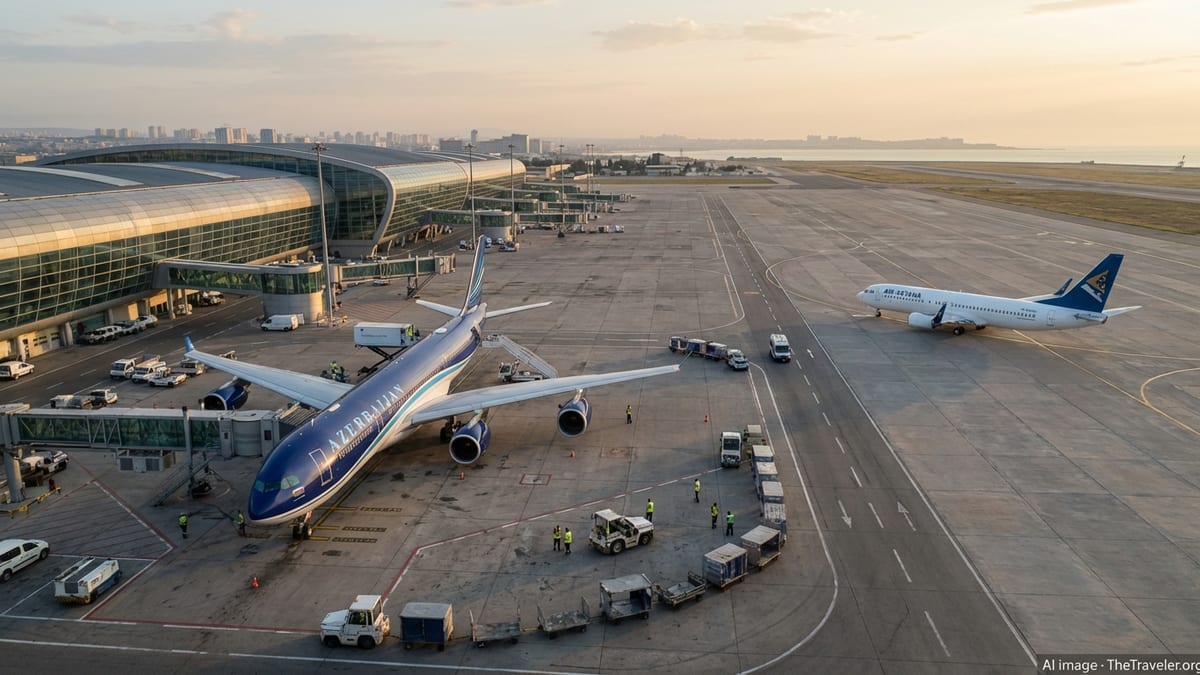
Azerbaijan Airlines is entering 2026 in expansion mode, accelerating deliveries of new Airbus A320neo family jets and preparing for additional Boeing 787 Dreamliners in a strategy that is reshaping how passengers move to, from, and through the country.
Get the latest news straight to your inbox!
A Rapidly Growing, More Modern AZAL Fleet
Publicly available information shows that Azerbaijan’s flag carrier has begun 2026 by adding another Airbus A320neo, as part of a plan to expand its fleet by eight aircraft by the end of the year. Industry outlets report that this brings the number of A320neo aircraft in AZAL service to six, with three larger A321neo jets also due to join during the current expansion phase. The airline aims to roughly double its total fleet from about 25 aircraft today to around 50 by 2032, supported by both new single aisle Airbus aircraft and additional Boeing 787 widebodies.
The current growth builds on a firm order placed in 2023 for 12 A320neo family aircraft, including both A320neo and A321neo variants. Aviation coverage indicates that these jets are being introduced to replace older narrow body aircraft and to support network growth. The transition is part of a longer term fleet renewal program focused on reducing fuel burn, cutting maintenance costs, and offering a more consistent onboard product across short and medium haul routes.
At the same time, AZAL has confirmed plans to replenish its long haul fleet with new Boeing 787 Dreamliners, with deliveries scheduled between 2025 and 2030. The airline was an early operator of the 787 in the wider region and is now working these next deliveries into a roadmap that will see the twin aisle type form the backbone of long range operations over the coming years.
According to recent statements from Baku’s Heydar Aliyev International Airport, the carrier is aligning this hardware expansion with broader ambitions to position Azerbaijan as a key air corridor between Europe and Asia. Transit traffic has been rising, and the airport operator has highlighted AZAL’s role in underpinning that growth, particularly as new generation aircraft enter the fleet.
Two Aircraft Families, One Clear Strategy
Work on AZAL’s so called Strategic Roadmap, expected to be finalized in the second quarter of 2026, points to a simplified fleet centered on just two aircraft types. Airport and industry reports describe a plan for the airline to standardize around the Airbus A320neo family for narrow body flying and the Boeing 787 Dreamliner for wide body services. Older types are set to be phased out as leases expire and new deliveries arrive.
For passengers, this push for fleet unification means that a greater share of regional and medium haul flights will operate on aircraft with similar cabin layouts and systems. From an operational standpoint, using one main single aisle family can improve scheduling flexibility and resilience during disruptions, since crew and spare parts can be more easily shifted between aircraft. For travelers, that translates into more predictable cabin environments, seat types, and inflight amenities across different routes.
The same logic applies to the long haul side. Concentrating on Boeing 787 Dreamliners allows AZAL to streamline training and maintenance around a single wide body platform. The 787 is designed for long range efficiency on point to point routes, which fits Azerbaijan’s goal of opening and sustaining non stop links to major hubs in Europe, Asia, and potentially North America over time. Passengers on those routes can expect a more consistent long haul product as additional Dreamliners arrive.
Analysts note that such two type strategies are increasingly popular among mid sized carriers that straddle regional and intercontinental markets. For Azerbaijan, which sits at a geographic crossroads, the combination of a modern narrow body backbone and a fuel efficient wide body fleet is central to its ambition to capture more transfer traffic while also serving growing demand from local travelers.
What Will Change On Board for Passengers
The arrival of more A320neo and A321neo aircraft is set to be one of the most visible changes for passengers flying to and from Baku in 2026. The neo generation incorporates quieter, more efficient engines and improved aerodynamics, which can reduce cabin noise and allow airlines to introduce updated interiors. Aviation reports highlight that AZAL is using these deliveries to roll out refreshed seating, modern lighting, and upgraded inflight entertainment or streaming options on selected routes.
On the long haul side, additional Boeing 787s are expected to reinforce AZAL’s use of the Dreamliner on key intercontinental sectors. The 787’s composite fuselage allows higher cabin humidity and lower pressurization altitude compared with many older wide bodies, conditions that can help reduce fatigue on overnight flights. Travelers can look for larger windows with electronic dimming, improved air quality, and cabin layouts tailored to both business and leisure demand.
More capacity often raises questions about ticket pricing. While fares will continue to respond to seasonality and competition, analysts suggest that fuel efficient aircraft can help airlines manage operating costs even when global fuel markets are volatile. If AZAL is able to deploy the new jets on routes with steady or rising demand, passengers may benefit from more frequent services and a wider spread of fare options, especially on routes where low cost or regional competitors are also present.
Reliability is another area where the new fleet is expected to make a difference. Newer aircraft generally require less unscheduled maintenance and can be supported through more sophisticated predictive monitoring. As AZAL integrates its expanding A320neo and 787 fleets with airport upgrades at Baku and other destinations, travelers could see improvements in on time performance and smoother recovery when disruptions occur.
New Routes, Stronger Transit Hub Ambitions
Fleet expansion is closely linked to network development. Data published by AZAL and Azerbaijani aviation authorities shows that the airline has already expanded its route map significantly in recent years, growing from just over 30 destinations in 2022 to nearly 60 by 2023, with continued additions into 2024 and 2025. Recent winter season schedules from Heydar Aliyev International Airport list more than 70 destinations served from Baku, combining AZAL flights with services from foreign carriers.
Industry coverage in early 2026 points to further connectivity growth, particularly towards Europe and the Middle East, as more A320neo family aircraft become available. Direct links between Baku and a wider range of secondary European cities are being developed, supporting both inbound tourism and outbound travel by Azerbaijani residents. The extra capacity also supports the country’s efforts to position itself as a convenient transfer point between European cities and destinations in Central and South Asia.
On the long haul front, the 787 fleet gives AZAL the range to pursue new routes and reinforce existing services to East Asia and beyond. Publicly available schedule data already show multi weekly links between Baku and major Asian hubs, operated with Dreamliners. With additional aircraft arriving through 2030, the airline will have greater flexibility to test new long range markets or add frequencies to established routes when demand allows.
For passengers planning trips in 2026, these changes will likely translate into more choice of departure days and times, especially on routes that previously operated only a few times per week. Travelers connecting through Baku may also find that layover times improve as schedules become more tightly coordinated around banks of arrivals and departures designed for transit flows.
How Travelers Can Prepare for Flying AZAL in 2026
With so many moving parts in AZAL’s fleet and network strategy, passengers booking for 2026 should pay attention to a few practical details. First, aircraft type listings on booking platforms and boarding passes can help travelers identify whether their flight is scheduled on a new A320neo, a larger A321neo, or a 787 Dreamliner. While aircraft assignments can change, checking close to departure can give a good indication of the onboard experience to expect.
Second, seat maps and cabin descriptions on booking systems can highlight differences between older and newer interiors within the same aircraft family. Some of AZAL’s earlier generation narrow body jets remain in service as the fleet transitions, so passengers who prioritize legroom, seat width, or specific amenities may wish to review aircraft layouts and choose seats accordingly when advanced selection is available.
Third, the rise of Baku as a transit hub means that more itineraries will involve connections rather than direct flights. Travelers connecting through Azerbaijan should review minimum connection times, visa and transit rules, and airport facilities when planning trips. Published airport information notes ongoing investments in digital services, lounges, and retail at Heydar Aliyev International, all of which are designed to support growing transfer traffic.
Finally, passengers may want to monitor schedule updates in the months leading up to departure. As new A320neo and 787 aircraft are delivered and phased into service, AZAL can adjust frequencies, upgauge aircraft on busy routes, or open additional city pairs. For travelers flexible on dates or departure points, that dynamism can create opportunities to secure more convenient timings or improved aircraft types as 2026 progresses.