


More news on this day
Azerbaijan’s Ministry of Foreign Affairs has issued a travel warning advising citizens to avoid nonessential trips to France, citing a recent spike in urban unrest, violent incidents and property damage across several French cities.
Get the latest news straight to your inbox!
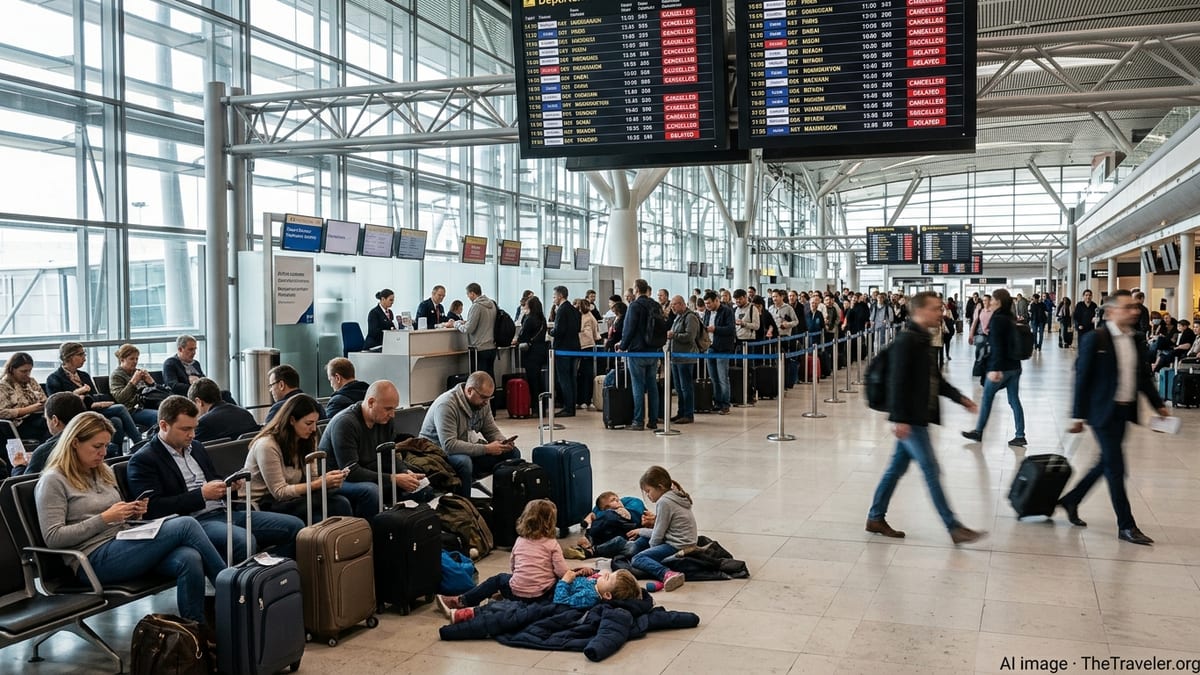
Advisory Issued as Urban Violence Grips French Cities
According to a statement released on October 20, 2026, and summarized in regional and international coverage, Azerbaijani officials are urging citizens to postpone all but essential travel to France. The advisory highlights what it describes as an “unstable public order environment,” pointing to street clashes, vandalism and disruptions in several major urban centers.
Reports in French and international media over the past week describe a series of large demonstrations that escalated into riots in parts of Paris, Lyon and other metropolitan areas. Coverage indicates that groups of protesters clashed with police, vehicles were set on fire and commercial districts sustained visible damage following night-time disturbances.
Publicly available information from France indicates that the government has responded with heightened security measures in key city centers. Following a weekend of particularly severe violence, the French prime minister announced localized and partial night-time curfews in several affected municipalities in an effort to protect businesses and limit further looting and arson.
While public transport and major tourist attractions remain open in much of the country, images and descriptions from recent days show burned-out cars, smashed shopfronts and debris in some urban neighborhoods. Local business groups and tourism operators have expressed concern that ongoing scenes of unrest could harm France’s image as a safe and welcoming destination.
Context of Strained Azerbaijan–France Relations
The travel warning comes against a backdrop of already tense relations between Baku and Paris. In recent years, statements from the Azerbaijani Foreign Ministry have strongly criticized what it characterizes as France’s partial position on regional security issues, particularly in connection with the post‑2020 settlement in and around Nagorno‑Karabakh.
Earlier foreign ministry commentaries from Baku have also taken aim at France’s own domestic security record. In responses to French travel guidance about Azerbaijan, Azerbaijani officials have publicly argued that France overlooks internal challenges within its own law‑enforcement and penitentiary systems when assessing risks abroad, framing this as a double standard.
French travel advice for Azerbaijan similarly reflects security and political concerns. The public guidance, updated over recent years, points to tensions along certain borders and calls for heightened vigilance in specific regions. This has provided a reference point for Baku, which now presents its warning on France as a form of reciprocal caution grounded in developments on French territory.
The latest advisory regarding France therefore fits into a broader pattern of mutual criticism, in which travel guidance has become an additional arena for expressing diplomatic dissatisfaction. Analysts following the relationship note that such advisories are both a practical tool for citizen safety and a signal of political displeasure between the two states.
Details for Azerbaijani Travelers Considering Trips to France
Publicly available summaries of the Azerbaijani advisory indicate that citizens are encouraged to defer tourism and other discretionary trips to France until the situation stabilizes. Those who must travel are urged to exercise heightened caution in large cities, especially in areas where demonstrations have been reported in recent days.
The advisory references the risk of being caught up in spontaneous gatherings that can quickly escalate into confrontations with security forces, as well as the potential for damage to nearby vehicles, shops and street infrastructure. Travelers are encouraged to stay away from protest routes, avoid crowded public squares during late afternoons and evenings, and monitor local news for information on planned marches and announced curfews.
Available guidance also stresses the importance of maintaining regular contact with family members, sharing accommodation details and keeping travel documents secure in case of sudden disruptions to public transport. Travelers already in France are advised to follow the instructions of local security services, respect temporary restrictions such as curfew orders in affected districts and consider adjusting itineraries to avoid nighttime travel through unrest‑affected neighborhoods.
The Azerbaijani Foreign Ministry’s public communications routinely recommend that citizens consult official advisories before departure and, when necessary, contact diplomatic representations for assistance. In the current context, that advice is being emphasized for any Azerbaijani nationals planning to visit France in the coming days and weeks.
Impact on France’s Tourism Image and Visitor Experience
France remains one of the world’s most visited destinations, and recent tourism statistics show that Paris, the French Riviera and major cultural sites continue to attract millions of international visitors each year. However, recent coverage in French business and travel media reflects concern among hoteliers, retailers and tour operators about the reputational effect of recurring street violence in high‑profile city locations.
Industry representatives quoted in recent analyses describe how images of burning cars and boarded‑up storefronts in central Paris, Lyon and other cities risk overshadowing the enduring appeal of landmarks such as the Eiffel Tower, the Louvre and the historic centers of provincial towns. Data shared by trade groups in France in recent days point to thousands of businesses harmed by vandalism and looting during the latest wave of unrest, with some tourism offices and municipal buildings among the affected properties.
At the same time, travel commentators note that the impact for most visitors has so far been localized. Reports from travelers and local tourism operators suggest that many popular attractions, including major museums and theme parks near Paris, have remained open and relatively calm, even on days when unrest has flared in specific districts. For some visitors, the main consequence has been disruptions to public transport or the need to reroute walking tours away from demonstration sites.
Despite these nuances, prominent advisories such as the new warning from Azerbaijan contribute to a growing perception among some international travelers that trips to France require closer monitoring of security conditions than in previous years. Travel planners and tour companies are responding by updating contingency plans, reviewing insurance coverage and advising clients to factor in potential last‑minute changes to itineraries when booking urban stays.
How the Warning Fits into a Wider Pattern of Global Advisories
Azerbaijan’s decision to formally warn against nonessential travel to France aligns with a wider trend of countries reassessing their guidance on major destinations amid shifting security dynamics. In recent years, several states have updated their advice on France to reflect concerns over demonstrations, terrorism risks and isolated acts of politically motivated violence, while still recognizing France’s extensive security resources and infrastructure.
International travel advisory systems commonly weigh factors such as the scale and frequency of protests, the likelihood of clashes between demonstrators and security forces, and the resilience of transport and emergency services. The current unrest in French cities, with multiple incidents reported within a short span, has brought these criteria to the fore in foreign capitals monitoring conditions for their nationals abroad.
Comparative guidance from other governments underscores that France continues to be considered broadly safe for many types of travel, but with clear recommendations to stay alert around large gatherings and follow local instructions. Within this environment, Azerbaijan’s more restrictive stance stands out, reflecting not only a reading of the security situation but also the particular political tensions between the two countries.
For travelers, the proliferation of advisories underlines the importance of checking multiple official sources before departure, understanding local regulations such as curfew rules and demonstration bans, and ensuring that travel insurance explicitly covers civil unrest‑related disruptions. As events in France continue to evolve, further updates from both Azerbaijani and French authorities are likely, and prospective visitors are being encouraged to track those developments closely when planning trips.