


More news on this day
The United States has moved 11 African countries into its highest travel warning category, advising U.S. citizens to avoid or urgently reconsider trips to large swathes of the Sahel, Central Africa and the Horn amid escalating conflict, terrorism and kidnapping risks.
Get the latest news straight to your inbox!
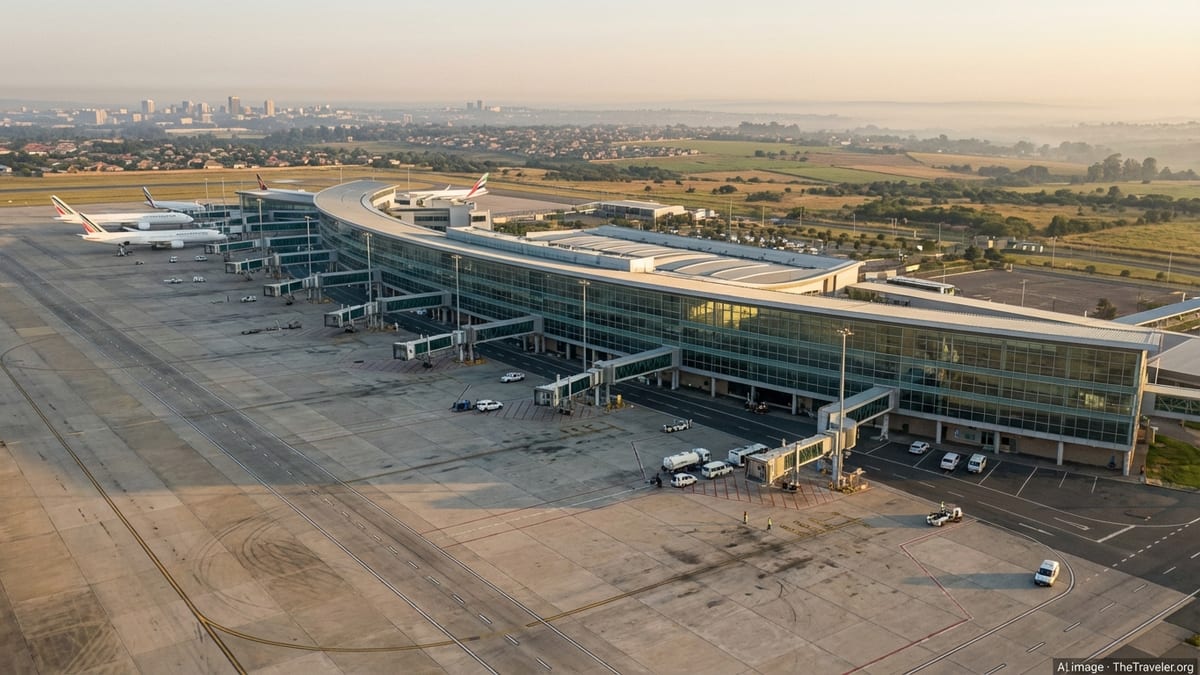
Elevated Advisories Focus on Sahel and Conflict Zones
Publicly available data from the State Department’s travel advisory database as of October 2026 shows that the 11 African countries now facing the sternest U.S. warnings are Burkina Faso, the Central African Republic, Chad, the Democratic Republic of the Congo, Libya, Mali, Niger, Somalia, South Sudan, Sudan and Uganda. Several of these destinations are listed at Level 4, the highest category in the four-tier advisory system, while others carry severe regional cautions that restrict movement outside key cities.
The advisory updates follow years of deteriorating security in the Sahel and parts of Central and East Africa, where armed groups, political instability and weak state control have created large areas with limited rule of law. Open-source security assessments and regional reporting highlight frequent attacks on government forces, humanitarian convoys and civilian populations, particularly in Burkina Faso, Mali, Niger and parts of Chad and Nigeria’s borderlands.
For Libya, Somalia, South Sudan and Sudan, long-running conflicts and fragmented authority remain central drivers of the elevated risk. In these countries, competing armed factions, sporadic cease-fires and localized clashes have produced unpredictable security conditions, with road travel outside a few core corridors often described in international reporting as hazardous or impossible without armed escort.
The Democratic Republic of the Congo and the Central African Republic, both rich in natural resources, continue to experience cycles of violence involving non-state armed groups and, in some regions, cross-border fighters. According to publicly available humanitarian situation updates, recurring clashes, road ambushes and banditry complicate overland movement and can cut off access to airports or border posts with little notice.
Key Risks: Terrorism, Kidnapping and Civil Unrest
Across the 11 nations, terrorism and kidnapping risks figure prominently in the rationale for the highest-level U.S. warnings. The State Department’s advisory framework identifies terrorism, crime, civil unrest and kidnapping or hostage taking among its core risk indicators, and high-risk African destinations typically list several of these simultaneously.
In the Sahel states of Burkina Faso, Mali and Niger, attacks attributed to jihadist factions and other armed groups continue to target both local and foreign interests, based on recent incident reporting compiled by international think tanks and regional media. Roadside improvised explosive devices, assaults on remote garrisons and incursions into rural communities have expanded the geographic footprint of insecurity and made overland travel particularly perilous.
Somalia remains one of the most complex environments, with militant activity, urban bombings and targeted killings occurring alongside piracy risks in certain coastal and offshore areas. In Libya and parts of Sudan and South Sudan, factional fighting and militia checkpoints heighten the potential for foreigners to be detained, extorted or caught in crossfire, especially outside capital zones.
Kidnapping for ransom, sometimes involving foreign nationals, has been documented in several of the affected countries by international security briefings. These incidents, which can involve roadside abductions or raids on remote lodges and work sites, are a major factor behind the State Department’s emphasis on avoiding non-essential travel to remote or border regions.
How the US Travel Advisory System Works
The current U.S. travel advisory structure, introduced in 2018, assigns each country an overall level from 1 to 4. According to official explanatory materials published by the State Department, Level 1 advises travelers to exercise normal precautions, Level 2 calls for increased caution, Level 3 urges travelers to reconsider travel, and Level 4 advises that U.S. citizens should not travel to the country at all.
The same materials stress that Level 4 advisories reflect a higher probability of life-threatening risks and note that, in such environments, the U.S. government may have very limited ability to provide emergency assistance. Factors feeding into these assessments include armed conflict, terrorism, crime, health emergencies, wrongful detentions and natural disasters, with country experts reviewing conditions on a rolling basis.
The advisory system also allows for regional differentiation within a single country. For some of the 11 African states now under stern warning, publicly available advisories describe relatively lower-risk zones around certain capital cities while labeling border regions, contested provinces or specific roads as off-limits. Travelers are urged in these notices to read section-by-section guidance rather than relying only on the headline advisory level.
Alongside the numeric levels, U.S. government guidance encourages would-be travelers to enroll in the Smart Traveler Enrollment Program, which enables embassies and consulates to disseminate security alerts and contact citizens more easily during crises. However, in countries designated high-risk or Level 4, the same guidance repeatedly notes that embassy staff themselves may face severe movement restrictions or evacuation orders.
Implications for Tourism and Regional Economies
The tightening of U.S. travel guidance for the 11 African nations is expected to weigh on already fragile tourism sectors and related service industries. Previous coverage by African business outlets and international tourism bodies has noted that prolonged high-level advisories from major source markets can depress visitor numbers, reduce foreign exchange earnings and delay investment in hotels, aviation and transport infrastructure.
In countries such as Uganda and the Democratic Republic of the Congo, wildlife tourism and adventure travel have been promoted as growth engines, drawing visitors to national parks, mountain gorilla habitats and hiking routes. While many of these sites remain far from frontline conflict zones, heightened advisories covering entire countries or broad regions can lead tour operators, insurers and corporate risk managers to scale back or cancel itineraries.
Airlines and cruise operators also factor government advisories into route planning and pricing. Aviation industry commentary indicates that Level 4 designations and similar warnings from other governments can trigger security surcharges, higher insurance premiums or temporary suspension of services to particular destinations. For landlocked Sahel states, reduced connectivity may reinforce isolation at a time when regional trade and humanitarian operations depend heavily on cross-border movement.
African tourism ministries and regional organizations have, in previous cases, urged source markets to differentiate more clearly between high-risk and lower-risk areas within their borders, arguing that blanket warnings can overshadow pockets of relative stability. However, with armed attacks, coups and states of emergency still being reported across parts of the Sahel and neighboring regions, analysts expect a cautious stance from major governments to persist in the near term.
What US Travelers Should Consider Now
For U.S. citizens contemplating travel to any of the 11 countries listed under the new stern warning, publicly available government guidance emphasizes careful risk assessment and contingency planning. Travelers are encouraged to consult the latest State Department advisories immediately before departure, as levels and regional cautions can change with little notice following security incidents or political developments.
International travel resources advise that, where travel proceeds despite a Level 3 or Level 4 warning, individuals should maintain flexible itineraries, build in additional time for security screening and internal travel disruptions, and ensure that family or employers have up-to-date contact details and copies of travel documents. Many risk consultants also recommend confirming in advance whether local medical facilities, evacuation services and communications infrastructure can function during crises.
Health considerations intersect with security concerns in several of the affected states. In some parts of Central and East Africa, fragile health systems and periodic disease outbreaks limit the capacity to respond to large-scale emergencies, including mass-casualty attacks or natural disasters. Prospective visitors are therefore urged in open-source medical guidance to consult travel medicine specialists, carry adequate supplies of prescription medications and understand how local clinics handle payment and referrals.
Given the pace of change across many of these conflict-affected regions, analysts caution that any travel decision hinges on up-to-the-minute information and a clear understanding of personal risk tolerance. For now, the combination of elevated U.S. advisories and continuing instability signals a difficult environment for both spontaneous tourism and longer-term business travel across much of the central and eastern African belt.