


More news on this day
Air raid sirens sounding across Bahrain’s capital Manama, along with reports of intercepted Iranian attacks and continuing United States strikes, have prompted renewed concern for travelers moving through the Gulf state and its key air and sea hubs.
Get the latest news straight to your inbox!
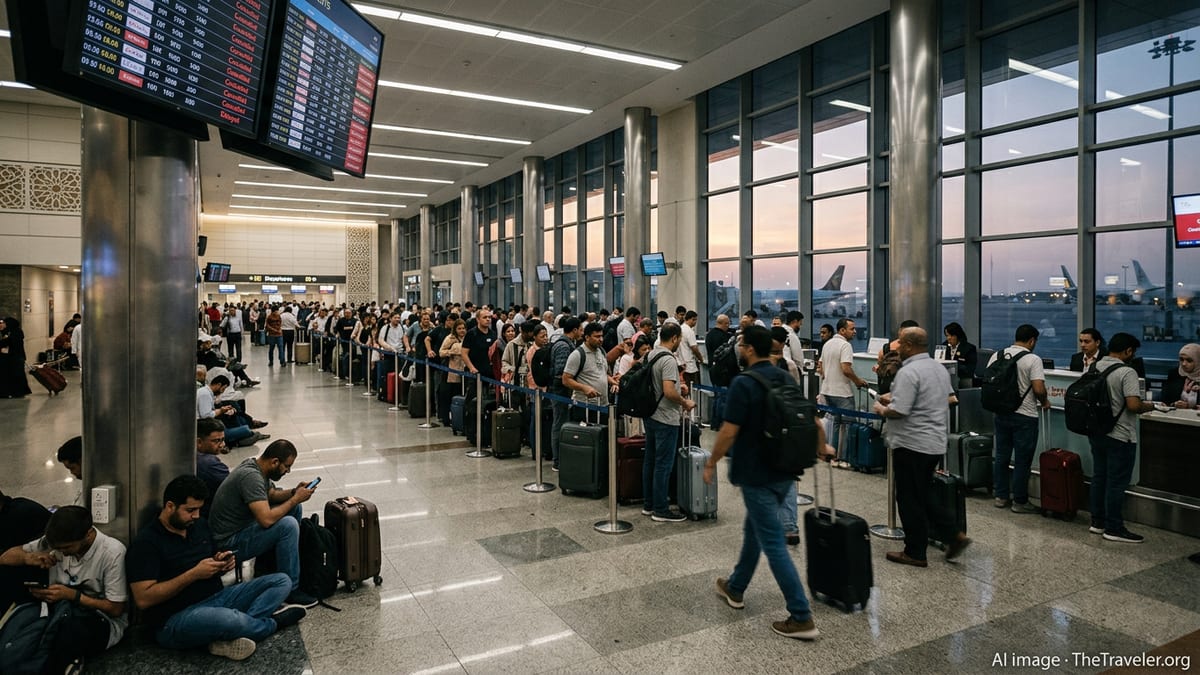
Sirens Across Manama as Regional Conflict Intensifies
According to regional media coverage, Bahrain’s air raid sirens were activated multiple times between July 8 and July 20, 2026, as Iran and the United States exchanged missiles and drones linked to ongoing clashes around the Strait of Hormuz. Reports indicate that sirens were heard across central Manama and other populated areas, with residents instructed to move to designated safe places.
Publicly available reporting from Gulf-focused outlets describes recent incidents in which Bahrain’s air defense systems intercepted incoming projectiles attributed to Iranian forces, including attacks said to target locations associated with United States military assets and communication infrastructure. Imagery and accounts shared in local and international media reference smoke plumes and interception activity visible from the capital in the early morning hours.
These developments build on a pattern of strikes that has unfolded over several months of confrontation between Iran and the United States and their respective partners. For Bahrain, which hosts the headquarters of the US Fifth Fleet and sits just off the Saudi Arabian coast, the latest alerts underscore how quickly regional military escalations can translate into sudden changes on the ground for residents and visitors.
While Bahrain’s authorities have emphasized the functioning of civil defense systems and the interception of several incoming threats, the activation of sirens itself has heightened anxiety among locals and travelers alike, particularly as alerts have occurred at night or in the early morning when many people are at home or in hotels.
Travel Advisories and Embassy Guidance for Visitors
International travelers have been urged to closely monitor official advisories as conditions evolve. Recent publicly available notices from foreign embassies in Manama, including those representing Western states, highlight the possibility of further Iranian attempts to strike locations in or near the capital, some of which may host foreign government or military facilities. These alerts typically advise avoiding demonstrations, staying away from sensitive sites, and reviewing personal security plans.
Travel guidance generally recommends that visitors register with their embassy or consulate when possible and ensure that contact details are up to date in case rapid communication is required. Travelers are also encouraged to confirm that airlines and tour operators are operating as scheduled, as airspace changes or temporary route adjustments may occur at short notice even when the airport remains open.
Published travel advisories emphasize that risk levels can vary significantly between central Manama, outlying residential areas, and offshore industrial zones. While commercial and leisure districts have largely remained open, the proximity of some hotels and shopping centers to strategic facilities means visitors may occasionally experience siren tests, alerts, or temporary shelter-in-place instructions.
Insurance providers have also begun updating their bulletins related to the Gulf. Some policies flag the ongoing Iran United States confrontation and specify how coverage applies in the event of missile or drone attacks, airport disruptions, or government-ordered evacuations. Travelers planning new trips to Bahrain are being encouraged to review these terms carefully before departure.
Impact on Aviation, Cruise Itineraries, and Transit Hubs
Despite the heightened tension, publicly available flight-tracking data and regional aviation coverage indicate that Bahrain International Airport has remained operational, with commercial airlines continuing to arrive and depart. However, some carriers serving Gulf routes have recently adjusted schedules, rerouted flights around sensitive airspace, or introduced wider safety margins in their flight planning.
Airlines typically follow guidance from national aviation regulators and conflict-zone risk assessments, which may evolve as the Iran United States exchange continues. This can result in extended flight times on some routes, last-minute equipment changes, or shifted departure slots. Passengers connecting through Bahrain are therefore advised to build in additional time between segments and to keep airline apps and notifications enabled.
On the maritime side, Bahrain’s location near the shipping lanes of the Strait of Hormuz has drawn renewed attention from cruise operators and cargo lines. Shipping industry reports describe a combination of heightened naval patrols, route adjustments, and risk surcharges for vessels transiting close to conflict-affected waters. Cruise companies planning Gulf itineraries are closely watching how often air raid sirens are activated and whether any direct impact is felt on port facilities or shore excursions.
For transit passengers using Manama primarily as a hub, most airport and seaport operations have continued with enhanced security procedures, including more visible patrols and additional screening. Travel industry observers note that even when infrastructure remains unaffected, the psychological effect of repeated alerts can influence traveler confidence and lead to short term dips in bookings or itinerary changes to alternative Gulf hubs.
What Travelers in Manama Are Being Urged to Do
Travel and risk consultancies tracking the situation advise that visitors currently in Bahrain adopt a cautious but measured approach. Standard recommendations include maintaining awareness of the nearest shelter areas or internal safe rooms in hotels and office buildings, following building-specific guidance when sirens sound, and avoiding windows during any alert period.
Travelers are also encouraged to keep mobile phones charged, carry identification, and maintain copies of travel documents in both physical and digital formats. Many hotels in Manama have briefed guests on emergency procedures and are encouraging them to keep room phones and messaging lines open in case of sudden siren activations or instructions from management.
Given that Bahrain’s alerts are closely tied to broader exchanges between Iran and the United States, analysts suggest that travelers monitor reputable international media, aviation advisories, and their home government’s travel updates at least daily. Social media, while often faster to report siren activity and loud explosions, may mix verified information with unconfirmed reports, so cross checking is important before making major decisions such as changing accommodation or exiting the country.
For those planning imminent travel, a flexible mindset is recommended. This can include booking refundable tickets where possible, retaining the option to reroute via alternative hubs such as Doha, Dubai, or Riyadh, and confirming accommodation policies on early checkouts if the security environment changes quickly.
Assessing Short Term Outlook for Bahrain Trips
Security analysts following the conflict describe Bahrain as one of several Gulf states exposed to spillover from the Iran United States confrontation due to the presence of military facilities and its strategic geography. The repeated activation of air raid sirens since early July indicates that the kingdom is taking potential threats seriously and maintaining a posture of rapid public alerting.
At the same time, commercial activity in Manama, including major hotels, malls, and business districts, has generally continued, with interruptions more closely linked to specific alert windows rather than prolonged closures. For many travelers, the experience to date has involved isolated siren events, temporary sheltering, and visible air defense activity rather than large scale damage to civilian infrastructure.
Looking ahead over the coming days and weeks, the trajectory of travel risk in Bahrain will depend largely on whether the pattern of Iran United States strikes intensifies, stabilizes, or is reduced through diplomatic efforts. Travel industry sources indicate that tour operators and corporate travel managers are drawing up contingency plans that range from maintaining current operations with enhanced monitoring to temporarily relocating meetings and events to other Gulf cities if the frequency or severity of attacks increases.
For now, Bahrain remains open to visitors, but the latest round of siren activations has shifted the country into a higher risk category on many advisory systems. Prospective travelers are being urged to balance the strategic importance of Bahrain’s role in the conflict with the still functioning nature of its transport and tourism infrastructure, and to make decisions based on the most recent, verifiable information available at the time of departure.