


More news on this day
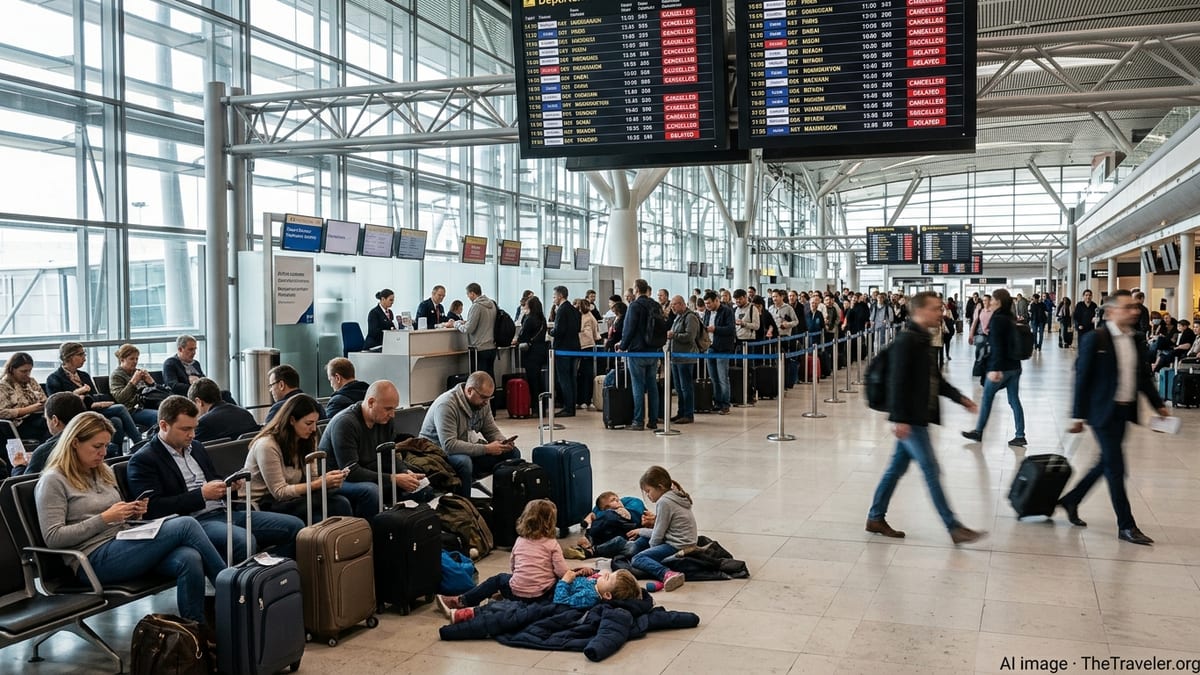
Package holidays linking France and Saudi Arabia have been thrown into disarray after Saudi Arabia’s market regulator issued a formal alert for French investors, prompting several tour operators to suspend new Saudi leisure packages sold from France and rush to rebook affected travelers.
Get the latest news straight to your inbox!
Regulatory alert triggers review of France-linked products
Publicly available information from the Saudi Capital Market Authority (CMA) indicates that an alert concerning France was circulated to market participants in recent days, focusing on exposure to French assets and products marketed to Saudi residents. While primarily financial in scope, the notice has had a rapid knock-on effect across travel companies that bundle air tickets, accommodation and local services into Saudi outbound packages sold in France.
According to published coverage in regional business media, the CMA alert urged firms to reassess risk in products tied to France and to ensure that any investment-style offerings complied strictly with Saudi rules on marketing and disclosure. Large integrated travel groups that operate both tourism and financial-services arms reacted by pausing new Saudi leisure packages that either originate in France or are financed through France-based structures, pending internal compliance checks.
Industry analysts cited in European financial press report that the alert does not prohibit travel between the two countries. Flights between French airports and Saudi destinations continue to appear in airline schedules, and individual bookings made directly with carriers or hotels have not been broadly cancelled. The disruption instead centers on “package” products that are sold as a single contract, including group tours, escorted itineraries and flight-plus-hotel deals.
Some French-based tour operators with a strong Saudi client base have reportedly frozen sales of new Saudi holiday bundles until they receive clearer legal interpretations from their compliance teams and external counsel. Others are shifting to selling separate components, leaving travelers to assemble their own itineraries without a single, regulated package contract.
Tour operators cancel or rework Saudi packages from France
Reports in French travel trade publications describe a wave of last minute schedule changes affecting travelers who had booked autumn and early winter Saudi packages through France-based agencies. Several operators are said to have “scrapped” or withdrawn entire series of group departures that combined charter capacity from France with block-booked hotel inventory in Saudi Arabia, citing the need to review how these products are structured under Saudi rules.
Where departures have been cancelled outright, agencies are informing customers that they can either accept a full refund or move to alternative itineraries in other Gulf or Mediterranean destinations. Publicly available booking notices show examples of French travelers who were offered rerouting to the United Arab Emirates, Oman or Turkey at similar dates and price points after their Saudi tours were pulled from sale.
Other companies appear to be converting classic package tours into “dynamic” trips in which the air ticket and ground arrangements are contracted separately. Travel law specialists quoted in European consumer media note that this can change the level of protection passengers receive, since traditional package tours in the European Union fall under strict regulations covering refunds, repatriation and liability when things go wrong.
Industry commentary suggests that the immediate priority for most operators is to reduce legal uncertainty rather than to respond to a specific safety issue in Saudi Arabia or France. However, some French agencies that specialize in religious and cultural trips say they are temporarily pausing marketing campaigns for Saudi itineraries in order to avoid confusion for clients while the regulatory picture is clarified.
Limited impact on independent travel but heightened uncertainty
So far, there is no indication in official foreign ministry advisories that general travel between France and Saudi Arabia has been curtailed on safety grounds. French, Saudi and other international aviation regulators continue to publish routine operational notices for airlines, but these relate mainly to overflight routes, airport procedures and regional security assessments rather than to tourism products sold through package operators.
Airline booking systems reviewed on October 20 show seats still available on several non-stop and connecting routes linking Paris and other French cities with Riyadh, Jeddah and other Saudi gateways in the coming weeks. Fares fluctuate in line with seasonal demand and capacity adjustments, but there has been no blanket suspension of scheduled services comparable to a full travel ban.
As a result, independent travelers booking flights and hotels separately appear largely unaffected, aside from the general volatility that can arise when large blocks of package inventory are returned to the market. Travel agents note in trade press that some hotel rates in key Saudi cities have briefly softened on dates where group allocations were released, while certain popular departure dates from France have seen higher airfares as charter capacity was withdrawn.
Consumer organizations in France and Saudi Arabia are using the episode to remind travelers of the differences between classic package holidays, dynamically packaged trips and fully independent arrangements, particularly with respect to refund rights if a supplier cancels. Legal commentary emphasizes that travelers should read booking conditions carefully and retain all written communication if their Saudi package is modified or withdrawn.
What affected travelers between France and Saudi Arabia should do now
Travel law experts quoted in French consumer media recommend that travelers whose Saudi package tours have been scrapped first request clear written confirmation from their tour operator explaining whether the departure is cancelled or only modified. Under European package travel rules, a full refund is generally due if a substantial part of the contracted trip can no longer be provided, although the exact timelines for reimbursement can depend on national transposition of EU law.
Where tour operators propose rerouting to another destination, consumer advocates advise comparing the replacement trip carefully against the original in terms of duration, itinerary, accommodation standard and included services. If the substitute package is significantly different, travelers may prefer a refund and the freedom to book a new trip independently, rather than feeling pressured to accept an unsuitable alternative.
For Saudi residents and other travelers who had arranged to join French-organized tours starting in France, published guidance suggests contacting both the French agency and any local Saudi intermediary used to finance or reserve the trip. Because the CMA alert is financial in nature, there may be additional steps required to unwind payment plans, installment schemes or investment-style travel products linked to the cancelled packages.
Prospective travelers who have not yet booked a Saudi holiday through a French operator are being encouraged by industry bodies to monitor updates from both the CMA and national tourism authorities, and to ask agencies directly whether their products fall under any current review. Until more detailed regulatory clarifications are made public, the safest option for travelers seeking certainty may be to favor standard, clearly documented package contracts or simple independently booked trips.
Broader outlook for Saudi–French tourism ties
Tourism observers note that the alert comes at a time when Saudi Arabia has been investing heavily in attracting international visitors, with France seen as a key European source market. High profile projects on the Red Sea coast and in Riyadh have featured in French-language marketing campaigns, and several French tour operators have added new Saudi itineraries in recent seasons.
While the current disruption is focused on regulatory compliance rather than political or security tensions between the two countries, some analysts warn that a prolonged pause in package sales could slow the growth of organized leisure traffic. Group tours are often used to introduce new destinations to mainstream travelers who may be less comfortable arranging complex trips independently, especially where language and cultural differences are significant.
At the same time, the episode may lead to a more robust framework for cross-border travel products that straddle financial and tourism regulation. If operators update their contracts, disclosures and financing mechanisms in response to the CMA alert, future Saudi–French packages could offer clearer information and stronger protections for consumers on both sides.
For now, travelers with imminent Saudi trips booked through French agencies are advised to stay in regular contact with their providers, monitor official travel advisories from their home countries and review the fine print of their contracts. Those willing to book components separately still have avenues to visit Saudi Arabia, but they may forgo some of the legal and logistical safeguards that traditional package tours are designed to provide.