


More news on this day
Azerbaijan’s Ministry of Foreign Affairs has issued a new travel warning for France, advising citizens to avoid nonessential trips and exercise heightened caution in response to unrest and a deteriorating security climate across the country.
Get the latest news straight to your inbox!
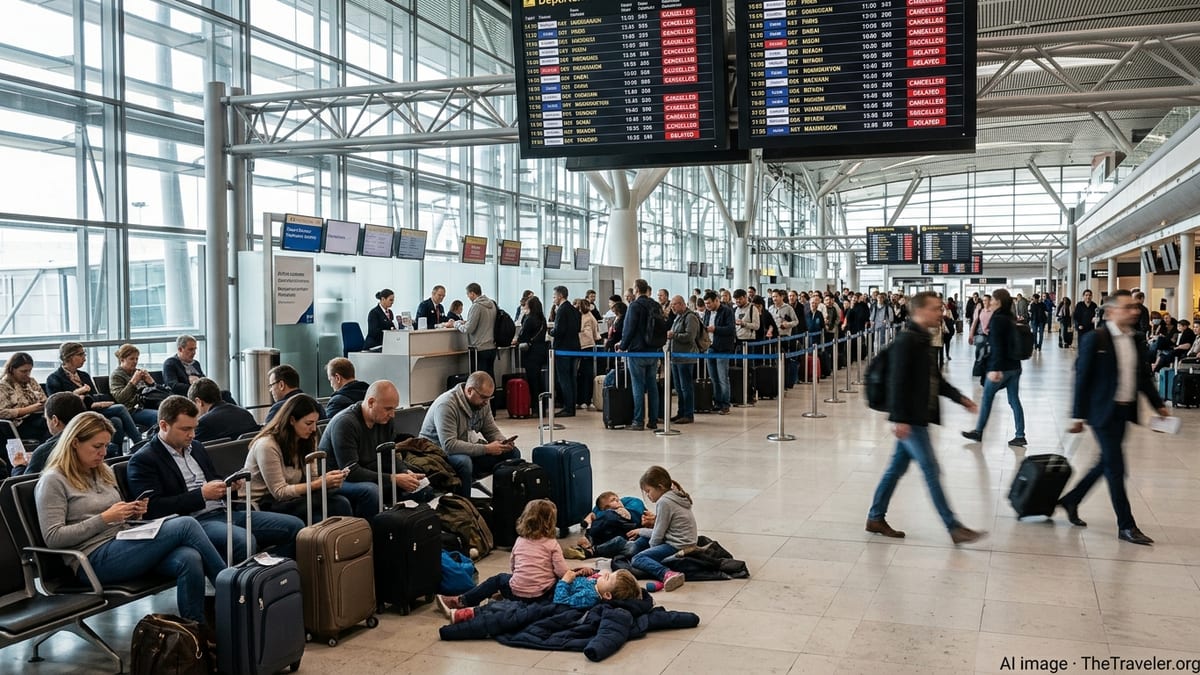
Advisory Urges Suspension of Nonessential Travel
According to statements published on Azerbaijani news outlets on 20 October 2026, the Foreign Ministry is recommending that citizens postpone journeys to France unless absolutely necessary. The guidance follows reports of widespread demonstrations, violent incidents and broader civil unrest affecting multiple French cities.
The advisory calls on those who nonetheless choose to travel to France to do so only when travel is essential, and to remain alert to fast-changing local conditions. Publicly available information indicates that the advisory was issued on the same day, underscoring the rapid evolution of the situation and the authorities’ desire to reach potential travelers before the busy late autumn and year-end travel period.
Reports in regional media describe the warning as an appeal rather than a legal restriction, meaning there is no outright ban on travel to France for Azerbaijani nationals. Airlines and tour operators had not announced broad suspensions of services at the time of publication, but travelers are being encouraged to verify flight status and booking flexibility before departure.
Guidance for Azerbaijani Citizens Already in France
The Foreign Ministry’s message is directed not only at would-be visitors but also at Azerbaijani citizens currently living, studying or traveling in France. The statement urges individuals on the ground to follow safety precautions, stay away from large gatherings and closely track announcements from official French and Azerbaijani channels.
Publicly available coverage of the advisory notes that particular concern is focused on locations where protests and spontaneous demonstrations are taking place. Crowded urban areas, central squares and transport interchanges are highlighted as settings where tensions may escalate quickly, increasing the risk of exposure to clashes, vandalism or police crowd-control operations.
The advisory also encourages citizens to maintain regular contact with family members and, where relevant, consular services. While no large-scale evacuation measures have been announced, those in France are being advised to have contingency plans, such as knowing alternative routes back to accommodation, identifying quieter neighborhoods, and staying informed about any curfews or localized restrictions that French authorities may introduce.
Context of Unrest and Sensitive Bilateral Climate
The travel warning comes against the backdrop of a complex political and diplomatic environment. France has experienced a series of social tensions and protest movements in 2026, including student demonstrations and labor actions that have periodically disrupted transport and public services. Media reports indicate that some protests have led to property damage, confrontations with security forces and temporary shutdowns of key arteries in major cities.
At the same time, relations between Baku and Paris have been strained in recent years. French diplomatic commentary has been critical of Azerbaijan’s actions in and around Nagorno-Karabakh, while Azerbaijani officials have accused France of bias in regional matters and have highlighted concerns about racism, Islamophobia and what they describe as a neocolonial legacy in French policy. Statements published by Azerbaijan’s Foreign Ministry in mid-October again referenced these themes, signaling a continuing deterioration in rhetoric between the two states.
Observers of the relationship note that this latest travel warning fits into a wider pattern in which political disagreements increasingly spill over into people-to-people ties, including education exchanges, tourism flows and cultural initiatives. While the advisory is formally framed in terms of public safety, it also arrives at a moment of heightened sensitivity in bilateral relations, reinforcing an already cautious atmosphere for cross-border engagement.
What the Advisory Means for Travelers
For Azerbaijani citizens planning trips to France, the new guidance raises practical considerations. Travelers are being encouraged by local media and travel professionals to review cancellation and rebooking policies for flights and accommodation, especially for itineraries focused on major cities where demonstrations are concentrated. Those who proceed with travel despite the warning are advised to register contact details with relevant consular services, monitor traditional and digital media, and remain prepared to adjust plans at short notice.
Public information on the advisory stresses that travelers should avoid protest sites and refrain from photographing or filming security operations, which can attract unwanted attention. Keeping identification documents readily accessible, using licensed transport providers, and limiting movement late at night in districts affected by unrest are all presented as prudent safeguards in the current environment.
Insurance considerations are also coming into sharper focus. Some policies treat travel to destinations under official warning differently, especially if coverage was purchased after an advisory was announced. Prospective visitors from Azerbaijan are therefore encouraged in local coverage to contact insurers to clarify how the new status of France might affect medical coverage, trip interruption protection and liability provisions.
Implications for Tourism and Future Developments
The advisory arrives at a time when France traditionally attracts rising numbers of international visitors for cultural events, shopping and the start of the winter travel season. Any sustained hesitation among Azerbaijani travelers could dampen a small but growing flow of outbound tourism, particularly to Paris and other major French cities popular for both leisure and business trips.
Tourism operators in Azerbaijan that market France-focused packages may face an uptick in customer inquiries and last-minute changes, even if large-scale cancellations do not materialize immediately. Agencies are likely to place renewed emphasis on flexible booking terms, alternative European destinations and closer monitoring of security developments in France as they advise clients.
Future adjustments to the advisory will depend on how the security picture in France evolves and how political dynamics between the two countries develop. Public information from both sides suggests that the situation is being watched closely, and that guidance to travelers could change if conditions either stabilize or worsen. For now, Azerbaijani citizens are being urged to think carefully before traveling to France and to prioritize personal safety when making any near-term plans.