


More news on this day
France is once again in global headlines after cost of living and education protests on October 17 turned violent in several cities, raising urgent questions for travel advisors with clients booked to Paris and beyond in the coming weeks.
Get the latest news straight to your inbox!
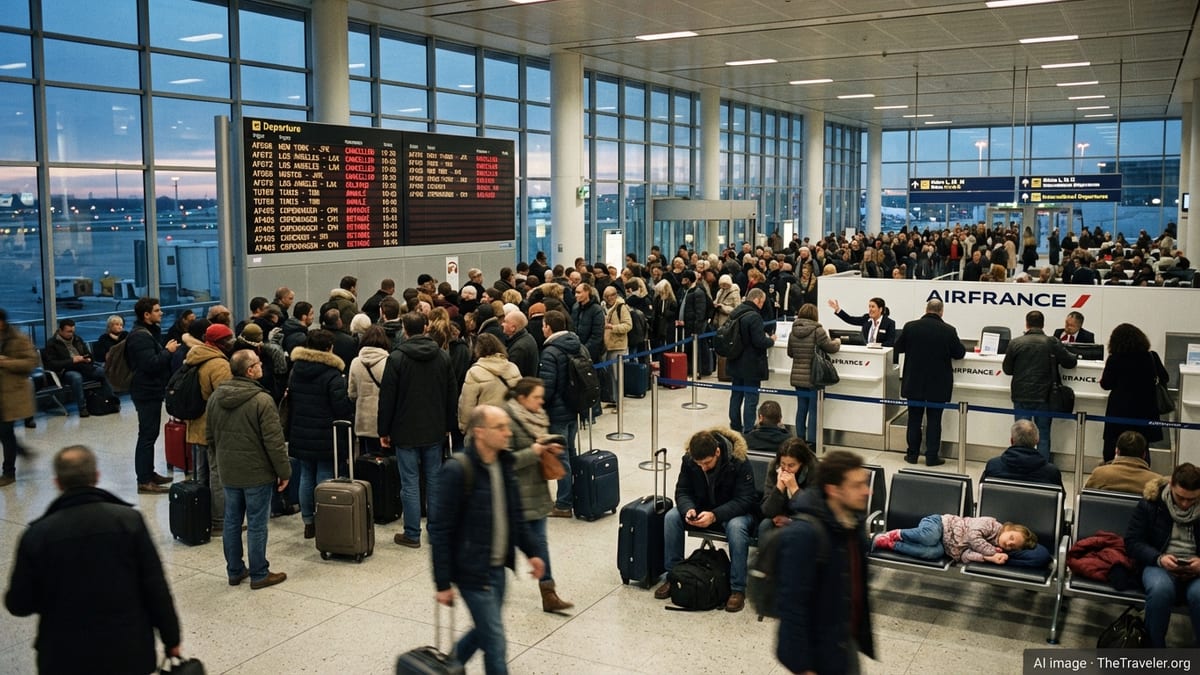
What Is Happening in France Right Now
On October 17, large nationwide demonstrations over the cost of living, fuel prices and education funding drew hundreds of thousands of people into the streets across France. Published accounts describe initially peaceful marches that were followed after dark by groups breaking away to loot shops, set vehicles on fire and attack public buildings in cities including Paris, Lyon and Limoges.
Coverage from French and international outlets notes extensive damage in some neighborhoods, with burned cars, smashed storefronts and isolated fires at civic buildings such as a historic town hall and a city tourist office. Reports from Paris in the days since indicate that cleanup is under way and that the unrest, while serious, has remained concentrated in specific districts rather than across the entire metropolitan area.
French media and on the ground commentary describe the October protests as the most destructive civil unrest in several years, but also emphasize that they were limited in time. A national protest day on October 17 was followed by two nights of scattered rioting, then a rapid reinforcement of security and the introduction of local curfews in some affected cities. As of October 20, Paris and most major tourist hubs are reported to be calm, with no large demonstrations currently scheduled for this week, although further calls for protests later in October are circulating.
Official Travel Advisories and Risk Levels
The United States currently maintains a Level 2 travel advisory for France, meaning travelers are advised to exercise increased caution. The most recent advisory highlights the risk of terrorism and sporadic civil unrest, and recommends maintaining awareness around demonstrations and avoiding areas where crowds gather. As of October 20, the advisory has not been raised to a higher level in response to the latest protests.
Other governments provide broadly similar guidance. Australia’s Smartraveller service, updated on October 20, flags the October 17 protests and resulting violence, warning that further large scale demonstrations may occur and can turn confrontational with little warning. It advises travelers to monitor local media, avoid protest routes and follow instructions from local emergency services.
Germany’s Foreign Office notes the same date of unrest and cautions that additional demonstrations remain possible across the country. Its advice stresses that even authorized marches can quickly disrupt traffic and public transport, particularly in large cities, and that travelers should allow extra time for airport and rail transfers when protest activity is expected.
At the same time, neither European partners nor France’s own tourism agencies are recommending a halt to travel across the country. Official visitor data for 2026 released prior to the October events shows tourism in Paris and the wider Île de France region trending slightly above 2025 levels in both arrivals and hotel occupancy, indicating a sector that has remained resilient through previous cycles of unrest.
Where Protests Are Concentrated and How They Affect Tourists
Travel advisors should distinguish between isolated flashpoints and the broader visitor experience. Recent protests in Paris have tended to center on traditional rally points such as Place de la République, Bastille, Nation and key boulevards along the Left Bank, with some incidents near Les Invalides. These are important urban squares but are not the immediate doorstep of the Eiffel Tower, the Louvre, Montmartre or the main hotel zones around Opéra, Champs Élysées or the major train stations.
Reports from travelers and local observers over the past week consistently describe a city where life in most neighborhoods continues much as usual, with cafés open and museums and river cruises operating on schedule, even as cleanup continues in a handful of streets that saw serious damage. In provincial cities, unrest has been most visible in specific central districts, leaving many residential and suburban areas largely untouched.
The main practical impact for visitors during major protest days is disruption rather than direct danger. Tram and bus lines are often diverted around marches, some metro stations in central Paris can close temporarily, and traffic jams make taxis and ride hailing less reliable near demonstration routes. Advisors booking airport transfers or time sensitive rail connections should build in additional buffer time on days when large protests are announced.
Curfews have been imposed in a few cities for short periods following the October 17 violence, generally starting in the evening and targeting districts where vandalism and looting occurred. These measures are typically temporary and geographically limited. Travelers with hotel bookings in affected neighborhoods may face earlier restaurant closures and reduced late night transport options, but daytime sightseeing has largely proceeded with limited interruption.
Key Talking Points for Client Safety Briefings
For most leisure and business travelers, current conditions in France call for vigilance and flexibility rather than cancellation. Advisors can explain that the underlying issues driving protests are domestic social and economic concerns, not grievances directed at foreign visitors, and that tourists have largely not been targeted in the recent unrest. The primary risk comes from being inadvertently caught near clashes between police and demonstrators or in areas where vandalism is occurring.
Clients should be encouraged to avoid any gathering that looks like a protest, even if it appears peaceful, and to move away promptly if they notice a heavy buildup of police vehicles or riot gear. They should keep hotel staff or local hosts informed of their daily plans, carry identification, and keep digital copies of their documents and travel insurance details accessible in case of loss or delay.
Advisors can also highlight the importance of real time information. Local television, radio and major French news sites give same day details on planned demonstrations and any curfews. International visitors may find it useful to check English language services or city specific resources that summarize expected impacts on transport and museum opening hours before heading out each morning.
Standard urban safety advice also remains relevant. Clients should avoid poorly lit back streets at night in unfamiliar districts, secure their belongings against pickpocketing in crowds and on public transport, and remain cautious around any street incidents, whether or not they appear connected to protests. These measures will often do as much to protect them as protest specific guidance.
Booking Strategy and Communication for the Weeks Ahead
Forward looking data from France’s tourism bodies shows that October and November 2026 were expected to be solid months for city tourism, driven by trade shows, cultural festivals and international sporting events. Industry representatives quoted in French business coverage since the October 17 unrest express concern about reputational damage but report only limited cancellations so far, with interest in Paris and other major destinations remaining strong.
For near term departures, travel advisors may wish to conduct proactive outreach to clients with France itineraries to address concerns before they escalate into cancellations. This can include sharing a concise overview of current conditions, reminding clients of flexible booking policies and insurance coverage, and offering to adjust hotel locations for those originally booked directly on or adjacent to traditional protest routes.
In terms of product selection, many advisors are shifting first time visitors to centrally located properties in established tourism districts with good public transport options, allowing easy rerouting if one metro line or boulevard is blocked. Small group and private touring that can adapt routes on the day may also be preferable to rigid, large coach excursions that could be delayed by traffic diversions.
For departures several months out, most industry commentary suggests a wait and see approach rather than wholesale itinerary changes. France has experienced multiple protest waves over the past decade, and tourism indicators typically show short term dips followed by recovery once images of unrest recede from international news. Clear, up to date communication and realistic expectation setting will be more valuable to clients than dramatic changes to long planned trips.