


More news on this day
The United States has raised its travel advisory for Kenya to Level 3, urging citizens to reconsider travel and throwing a spotlight on the East African nation’s security record at a moment when its tourism sector is reporting record growth.
Get the latest news straight to your inbox!
Risk Upgrade Comes Amid Record Visitor Numbers
The latest advisory, updated on October 19, 2026, moves Kenya from a Level 2 “exercise increased caution” rating to Level 3, “reconsider travel,” citing risks related to crime, terrorism, kidnapping, civil unrest, health and road safety. The notice underscores longstanding concerns about sporadic terrorist attacks linked to extremist groups, as well as urban crime in and around Nairobi and the coast.
The timing contrasts with Kenya’s recent tourism performance. Data from the Tourism Research Institute and official economic reports show that international arrivals reached about 2.4 million in 2024, up approximately 15 percent from 2023. Tourism revenue climbed from about 377 billion to more than 452 billion Kenya shillings over the same period, reinforcing the sector’s status as a key foreign-exchange earner.
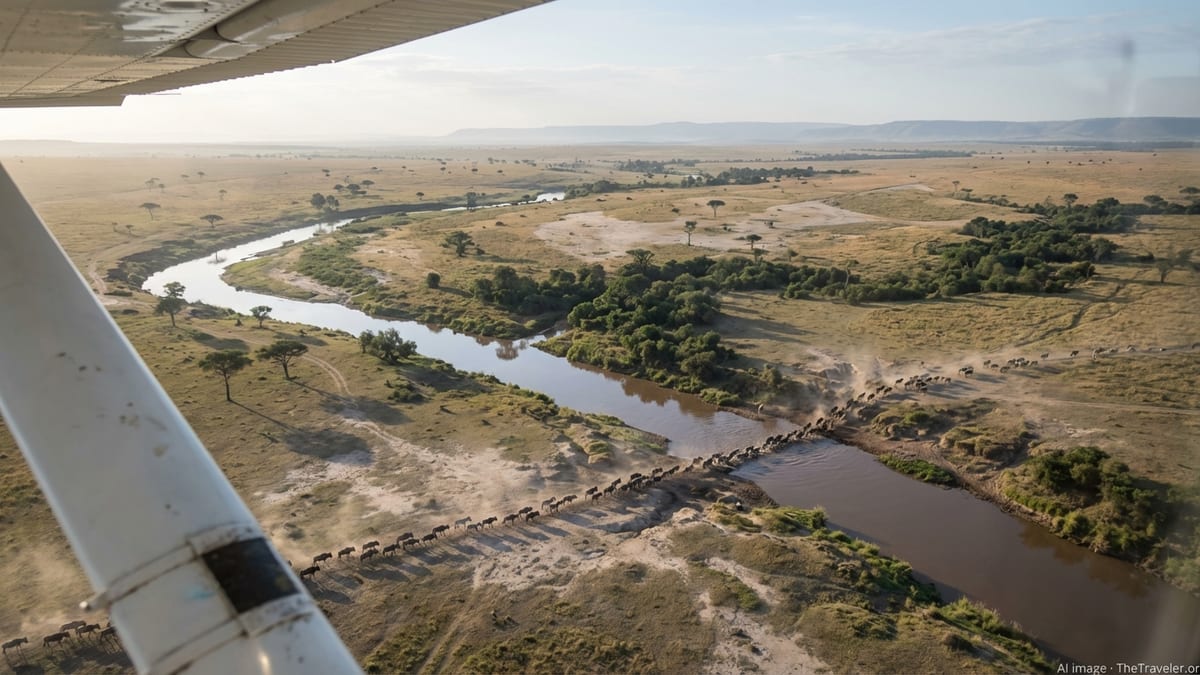
Industry and government reporting describes 2023 and 2024 as among the strongest years for Kenyan tourism in over a decade, with recovery from the pandemic surpassing pre-2019 arrival levels. Safari destinations such as the Maasai Mara and beach resorts in Mombasa, Diani and Watamu have been central to the rebound, supported by increased air connectivity and targeted marketing campaigns.
The new US guidance does not prohibit citizens from visiting Kenya, but it is likely to influence travel planning and insurance decisions, particularly for first-time visitors and organized group tours that rely heavily on risk assessments from major source markets.
What the Advisory Says About Security Hotspots
The State Department’s country-specific advisory keeps a particular focus on Kenya’s northern and coastal frontier counties, many of which are listed as Level 4 “do not travel” zones within the broader Level 3 classification for the country. Publicly available advisory text highlights Mandera, Wajir and Garissa counties along the Somalia border because of kidnapping and terrorism risks, as well as parts of Turkana, West Pokot and Marsabit where banditry and cross-border incursions have been reported.
On the coast, the advisory singles out Lamu County, Tana River County outside major parks, and areas of Kilifi north of Malindi as locations where militant activity and kidnap threats remain a concern. These regions have seen periodic attacks over the past decade linked to armed groups, prompting security operations and curfews at various times.
Within Nairobi, the guidance urges travelers to reconsider visits to informal settlements such as Eastleigh and Kibera, pointing to incidents of armed robbery, carjacking and kidnapping. It notes that congested roads and limited emergency response capacity can magnify the impact of crime and traffic accidents.
The advisory also references country-level health and safety considerations, from infectious disease risks to the challenges of emergency medical evacuation from remote safari areas. While such cautions are common for many destinations, their inclusion in a Level 3 notice can weigh heavily in the risk calculations of tour operators, corporate travel managers and insurers.
Kenya’s Efforts to Reassure Tourists and Partners
Kenyan authorities have consistently presented the country as a safe and resilient destination, emphasizing that high-profile attacks remain relatively rare compared with the millions of annual visitor nights recorded in hotels, lodges and homestays. Official tourism policy documents released in 2024 describe security as a core pillar of destination competitiveness and call for closer coordination between security agencies and tourism businesses.
Government reporting highlights expanded surveillance along major transport corridors, increased police presence in key tourist zones and closer monitoring of the Kenya–Somalia border. Investments in road upgrades to national parks and coastal resorts are frequently presented as both economic and security measures, improving response times in case of incidents.
Kenya has also promoted regional and domestic tourism to reduce reliance on any single long-haul market. Statistical releases show strong growth from African and Middle Eastern source markets, as well as significant expansion in domestic travel, which now accounts for a large share of hotel bed-nights in major cities and secondary destinations.
Despite these efforts, serious security incidents continue to occur, particularly in frontier counties. Open-source reporting documents attacks on security forces and civilians in parts of Garissa and other northern regions in 2025 and 2026, underscoring the gap between progress in core tourist circuits and persistent volatility along the periphery.
Balancing Perception, Reality and Comparative Risk
The US advisory system is one of the most influential tools shaping global travel perceptions, yet it is only one of several benchmarks travelers and companies use to assess risk. Other major source markets, including European and Asian states, maintain their own country assessments, which sometimes diverge in overall level or in how specific regions are categorized.
Analysts studying tourism flows note that advisory shifts do not always result in immediate declines in visitor numbers. Travelers with prior experience in Kenya, repeat safari clients and segments such as diaspora visitors often rely more on local contacts, tour operators and on-the-ground updates than on government advisories alone.
However, for cruise lines, school groups and corporate travel planners, risk thresholds can be strict. A move from Level 2 to Level 3 may trigger internal reviews, new approval procedures or the reshaping of itineraries to prioritize private conservancies and well-secured resort areas over urban excursions or overland travel in northern and coastal belts.
Security specialists also point out that crime and terrorism risks in Kenya need to be viewed in a global context. Comparative data from international indices show that Kenya’s organized crime score has improved since the start of the decade, even as some urban crimes remain a concern. At the same time, highly publicized incidents in any destination can have an outsized impact on perception compared with day-to-day realities experienced by most visitors.
Implications for Travelers and the Tourism Industry
For individual travelers, the upgraded advisory places a premium on planning and route selection rather than ruling out the destination altogether. Public information from the State Department and other governments advises visitors to stay informed about developments, avoid high-risk border counties, and work with reputable operators that monitor security updates and adjust movements accordingly.
Industry participants in Kenya are now weighing how to adapt. Some tour companies are expected to revise itineraries to steer clear of northern and coastal hotspots flagged in the advisory while reinforcing their emphasis on well-established safari circuits in the Maasai Mara, Amboseli, Samburu and Laikipia, as well as secure coastal zones around Diani and parts of Mombasa and Watamu.
Hotels and lodges are likely to step up communication about their own safety measures, from controlled access points and trained security staff to emergency protocols and coordination with local authorities. Insurance requirements for adventure activities, bush flights and road transfers may also come under review, with some providers reassessing premiums or exclusions related to specific counties.
Kenya’s tourism leadership has repeatedly framed security as both a challenge and an opportunity to demonstrate resilience. The coming months will show whether the Level 3 advisory significantly alters travel demand from the United States or whether strong pent-up interest in safaris, beach holidays and meetings in Nairobi continues to offset heightened caution in official risk assessments.