

More news on this day
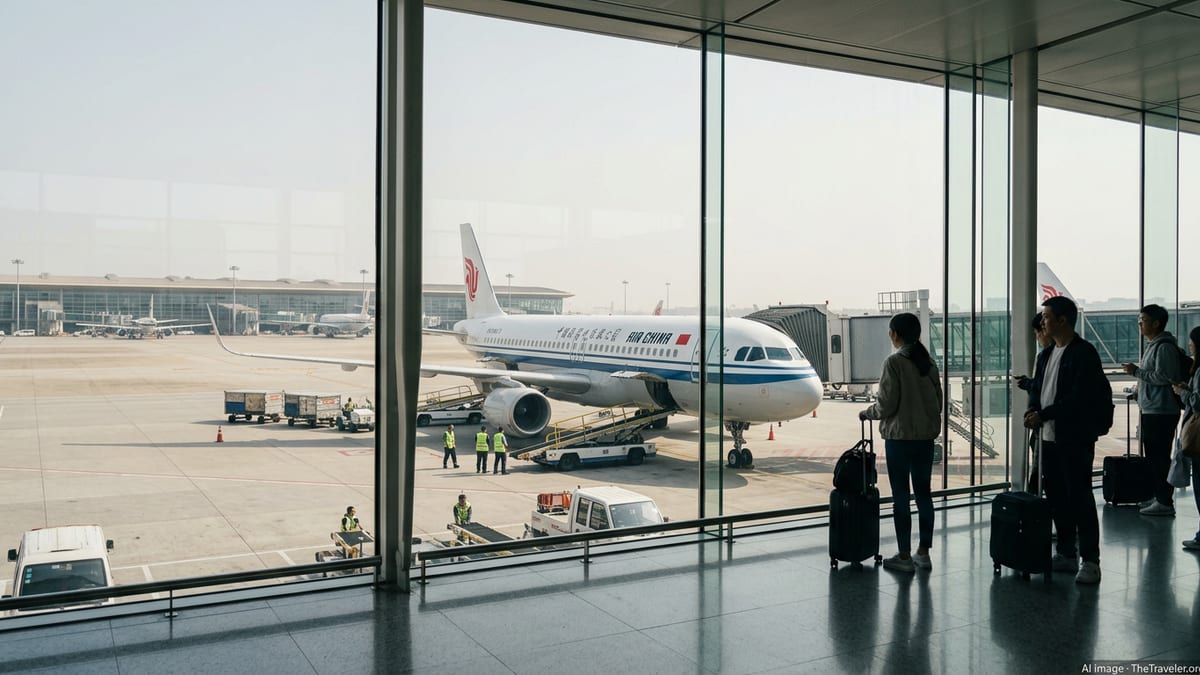
As global travelers face mounting flight cancellations and airport disruptions, Beijing is moving to tighten regulation of its restaurant sector, positioning its fine dining scene as a structured, dependable refuge for stranded visitors passing through the Chinese capital.
Get the latest news straight to your inbox!
New Restaurant Rules Aim to Protect Diners and Standardize Service
Recent regulatory moves at the national and municipal level are reshaping how restaurants in major Chinese cities, including Beijing, are allowed to operate. A nationwide set of measures on promoting and managing the catering industry, introduced in 2025 by economic and commerce authorities, focuses on clearer pricing, standardized contracts, food safety and better complaint handling. Publicly available policy texts emphasize curbing misleading promotions, compulsory consumption and aggressive upselling that have long frustrated some visitors in popular tourist districts.
In Beijing, these national rules are being reinforced by local guidelines intended to improve the business environment and encourage higher quality in the catering sector. Municipal documents highlight goals such as transparent menu pricing, visible complaint hotlines, multilingual service elements where possible and incentives for restaurants that earn strong consumer satisfaction ratings. For international visitors navigating an unfamiliar language and dining culture, the combined effect is designed to make it easier to understand what is being ordered and how much it will cost before any dishes arrive at the table.
These measures come as the capital seeks to raise its profile as an international consumption and tourism hub. City planning material for 2025 and beyond showcases dining as a key part of Beijing’s appeal, alongside cultural attractions and shopping. Regulators appear to view firmly codified restaurant standards as one way to reduce friction for foreign guests, particularly first-time visitors who may be anxious about scams or unexpected charges after already enduring stressful journeys.
Dining as a Refuge Amid Wider Travel Disruptions
The renewed attention to the restaurant sector coincides with a period of highly visible turbulence for air travelers worldwide. High-profile disruptions linked to technology failures, staffing shortages and weather events in multiple regions have underscored how quickly air networks can be thrown into disarray. Industry statistics and recent case studies from North America, Europe and Asia illustrate that even mature markets are grappling with cascading cancellations and long delays during peak travel periods.
China’s aviation system has also faced operational pressures, prompting civil aviation authorities to convene dedicated meetings on flight regularity and to refine seasonal support plans for major hubs like Beijing. Travelers posting on public forums in 2024, 2025 and 2026 describe last-minute changes and cancellations on both domestic and regional routes involving Chinese carriers, sometimes with limited advance notice. While overall punctuality indicators have improved when compared with pre-pandemic peaks of congestion, these individual accounts capture the lingering sense of unpredictability that many passengers now associate with flying.
In this context, Beijing’s push to make its dining landscape more predictable can be seen as part of a broader effort to cushion the impact of travel chaos. For tourists stuck at hotels near the city’s main airports or lingering in central districts while rebooking journeys, a clearly regulated restaurant environment offers at least one aspect of the trip that feels structured and reliable: menus that match final bills, food safety processes that follow codified rules and service standards framed by written guidance rather than left entirely to chance.
What the New Standards Mean for Tourists on the Ground
For visitors, the most visible change is expected to be in how information is presented. Policy documents and official commentary on service quality in tourism emphasize full disclosure of prices, portion sizes and optional extras before any commitment is made. That approach is intended to reduce disputes over surprise charges for items such as tea, condiments or mandatory service fees, which have occasionally surfaced in complaints about heavily touristed streets and historic hutong districts.
Tourism-focused guidance from national and city-level agencies also stresses user-friendly public services, including clearer complaint channels and more consistent handling of consumer disputes. In practice, this can translate into restaurants prominently displaying contact details for local consumer hotlines, participating in standardized rating schemes and responding more systematically when diners report problems with hygiene, undercooked dishes or misleading marketing language.
Some measures intersect directly with wider tourism reforms that focus on payment and accessibility. Efforts to improve the payment environment for inbound visitors have pushed more restaurants in major cities to accept foreign bank cards and to support mobile payment options without requiring a local bank account. When paired with transparent bills, this can make it easier for travelers who have experienced costly flight disruptions to keep track of expenses or seek reimbursement from insurers and employers.
Beijing’s Fine Dining Scene Repositions for a New Era
Beijing’s fine dining sector is using the regulatory shift as an opportunity to reposition itself as a sanctuary for weary travelers diverted by air disruptions. High-end venues clustered around the central business district, embassy areas and major hotels are under particular pressure to demonstrate compliance with the new rules while still offering the level of service and atmosphere expected by international guests. Industry commentary suggests that many such establishments are investing in bilingual menus, staff training in cross-cultural etiquette and reservation systems that better handle sudden demand spikes caused by delayed flights.
Local tourism promotion materials increasingly frame fine dining as part of a curated “safe harbor” experience. The message presented to potential visitors is that, even if connecting flights fall through or itineraries must be rewritten at short notice, Beijing can still offer structured, high-quality evenings built around reliable food, clear billing and comfortable surroundings. This positioning aligns with broader national strategies that encourage tourism operators to focus on safety, order and high standards of service in a more uncertain global travel environment.
The new regulations are also expected to influence how restaurants cooperate with hotels and travel agencies that handle stranded passengers. As airlines and tour companies look for dependable partners to feed large groups at irregular hours, establishments that can demonstrate strict adherence to pricing, hygiene and service norms may be favored. Over time, this could reinforce a two-tiered ecosystem in which compliant venues capture more disruption-related business, while operators that fail to adapt see their role in the tourism economy diminish.
Balancing Regulation, Culture and Visitor Expectations
While the latest rules foreground transparency and consumer protection, they are being introduced against a backdrop of rich local dining traditions. Public information from cultural and educational outlets continues to emphasize etiquette such as sharing dishes, respecting seniority at the table and avoiding visible food waste. For tourists, the challenge is to enjoy these customs without feeling overwhelmed by unfamiliar practices or worried about misinterpretations in a tightly regulated environment.
Travel guidance from Chinese and international sources therefore tends to pair practical tips on using chopsticks and understanding portion sizes with explanations of the new regulatory safeguards. Visitors are encouraged to see written policies on pricing and complaint handling not as a constraint on spontaneity, but as a framework that allows them to explore confidently. In fine dining spaces especially, restaurateurs are leaning on the new clarity to introduce creative tasting menus, regional pairings and seasonal ingredients that might have seemed riskier when misunderstandings over cost were more common.
The long-term test will be whether these restaurant rules help Beijing stand out in a competitive global tourism market where many destinations are contending with the same aviation shocks. If travelers emerge from disrupted trips remembering that, in Beijing, at least their meals were orderly, well explained and reliably delivered, the city’s dining sector may succeed in turning a period of severe travel chaos into an unexpected opportunity for reputation building.