


More news on this day
Ben Gurion Airport is experiencing a fresh wave of operational disruption in early July 2026, with aviation data showing 207 delayed flights and four cancellations across El Al, Emirates and Lufthansa routes as carriers continue to navigate volatile regional conditions and tight scheduling margins.
Get the latest news straight to your inbox!
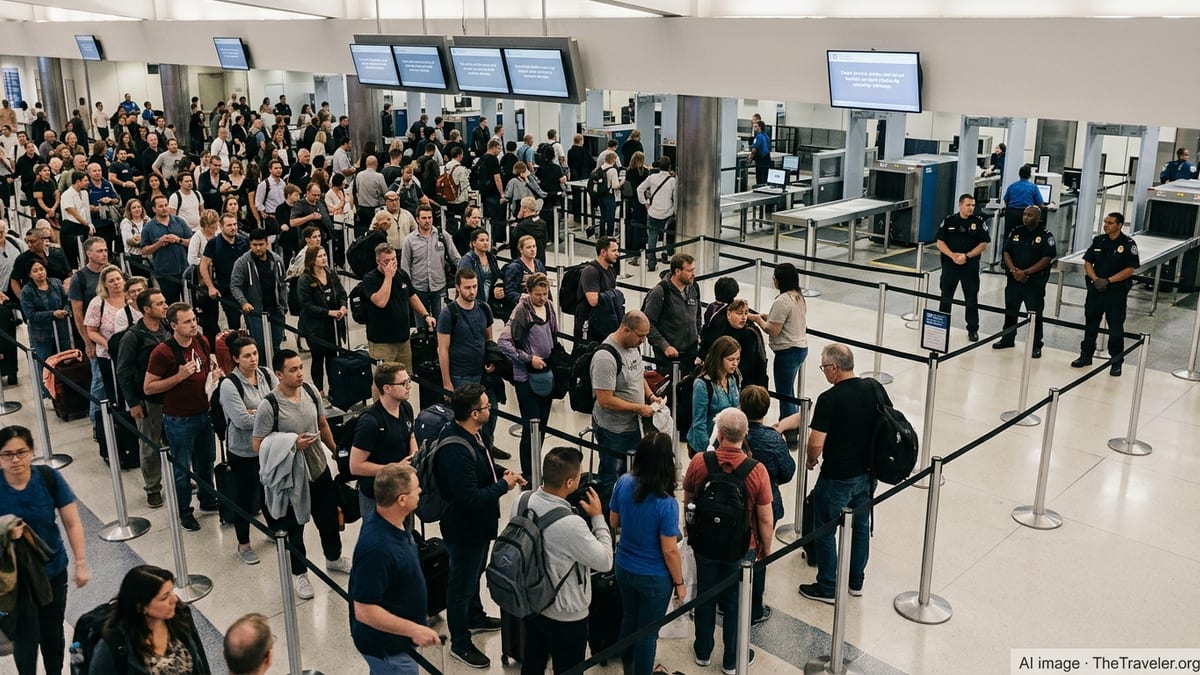
Disruptions Mount As Summer Peak Begins
The latest figures, compiled from real time airport boards and independent tracking platforms, indicate that Ben Gurion has entered the July peak travel period with a higher than usual level of irregular operations. The tally of 207 delays and four cancellations has accumulated over the opening days of the month, hitting both inbound and outbound services.
Publicly available information shows that El Al, the country’s largest operator at Ben Gurion, accounts for the largest share of traffic and therefore a significant portion of the delays. Emirates and Lufthansa, both important long haul and European connectors for Israeli travelers, have also reported schedule changes and occasional cancellations on services to and from Tel Aviv.
The pattern follows several months of unstable operations across Middle Eastern airspace, where shifting routings, congestion on alternative corridors and changing security assessments have complicated airline planning. While most flights are still operating, the current level of disruption at Ben Gurion highlights how quickly local schedules can become strained when several carriers adjust operations at the same time.
On the ground, airport information channels advise passengers to monitor departure and arrival status closely, underscoring that same day gate and time changes remain common as airlines reoptimize rotations.
El Al Services Under Pressure At Home Hub
As Israel’s flag carrier and dominant airline at Ben Gurion, El Al has been particularly exposed to the current wave of delays. Flight boards for Tel Aviv show that multiple El Al departures and arrivals have been rescheduled by varying margins, with knock on effects visible on long haul North American routes and key European links.
Operational data from previous months already pointed to elevated delay levels at the airport, and early July appears to be continuing that trend. Tight turnarounds, strong summer demand and the need to route aircraft around sensitive airspace all add complexity for El Al’s planning teams as they work to keep aircraft and crews in position.
Domestic observers note that while El Al has maintained the vast majority of its schedule, even modest disruptions on trunk routes can cascade across the network, generating secondary delays hours later. That dynamic is evident in July’s statistics, where clusters of delayed flights can be traced back to earlier schedule changes on a small number of rotations.
For travelers, the impact is most visible in extended waiting times and late night arrivals, particularly on transatlantic services heading into Ben Gurion’s busy early morning bank of flights.
Emirates And Lufthansa Adjust Tel Aviv Networks
Emirates and Lufthansa, two of the highest profile foreign carriers serving Ben Gurion, have also been swept up in the latest operational volatility. Public flight status pages for both airlines show adjustments to departure times on Tel Aviv routes, with some services pushed back and a limited number removed from the schedule.
Emirates, which connects Tel Aviv to its Dubai hub for onward travel to Asia, Australia and the Americas, has had to navigate both regional airspace constraints and strong seasonal demand. In recent months, the carrier has already faced weather related and airspace related disruptions across its broader network, and the July figures at Ben Gurion suggest that some of those pressures are still being felt on Israel services.
Lufthansa’s Frankfurt and other European links into Tel Aviv remain central for business and leisure travelers connecting into the wider Star Alliance network. Tracking data indicates that while most Lufthansa operated or codeshare flights to Ben Gurion are running, there have been instances of schedule retiming and a small number of cancellations during the current period.
Industry analysts note that international carriers often respond to uncertainty by trimming frequencies or consolidating lightly booked services, a strategy that can concentrate demand onto remaining flights but also raises the risk of crowding and further knock on delays if any one rotation is disrupted.
Regional Airspace And Operational Challenges
The summer disruption at Ben Gurion cannot be viewed in isolation from the broader regional backdrop. Airspace closures and restrictions across parts of the Middle East over recent months have forced airlines to modify routings, in some cases lengthening flight times and compressing turnaround windows at hub airports.
Reports from aviation forums and official advisories describe a shifting operating environment in which airlines must repeatedly reassess the viability of particular routes and flight paths. Each adjustment can ripple through daily schedules, tightening maintenance slots and limiting the time available for crews to reposition between flights.
In addition, the concentration of traffic into fewer available air corridors increases the likelihood of congestion and holding patterns, which in turn contribute to late arrivals at airports such as Ben Gurion. Even when local conditions at Tel Aviv are stable, upstream delays on inbound aircraft can make it difficult for carriers to dispatch subsequent sectors on time.
These structural challenges help explain why the July statistics at Ben Gurion feature a high number of delayed flights relative to the comparatively small outright cancellation count. Airlines appear to be prioritizing operating flights, even if late, rather than removing large portions of their schedules.
What Passengers Traveling Through Tel Aviv Should Expect
For travelers using Ben Gurion in July 2026, the current data suggests a travel environment where flights are generally operating but often not at their originally advertised times. The 207 recorded delays point to a need for extra buffer time in itineraries, especially for those making onward connections in hubs such as Dubai, Frankfurt or New York.
Public guidance from airlines and the airport stresses the importance of checking flight status repeatedly in the 24 hours before departure and again on the day of travel. Same day terminal or gate changes can and do occur, particularly when carriers swap aircraft types or consolidate services to better match available capacity and crew.
Travel experts also recommend planning for potential late evening or early morning arrivals, ensuring that ground transportation and accommodation arrangements are flexible enough to accommodate unplanned schedule shifts. Travelers with tight onward connections may wish to consider earlier departures or longer layovers, particularly when routing through regions where airspace restrictions remain fluid.
While the four July cancellations recorded so far are a small fraction of total operations at Ben Gurion, the elevated delay rate underscores that flying through Tel Aviv continues to require careful preparation. With summer travel demand set to remain strong, any further changes in regional conditions could add new pressure to an already stretched operating environment.