


More news on this day
Kentucky’s tourism industry is extending its record-setting streak as new research shows international visitation climbing past 80,000 trips a year, reinforcing the state’s position as one of the fastest-growing travel economies in the United States.
Get the latest news straight to your inbox!
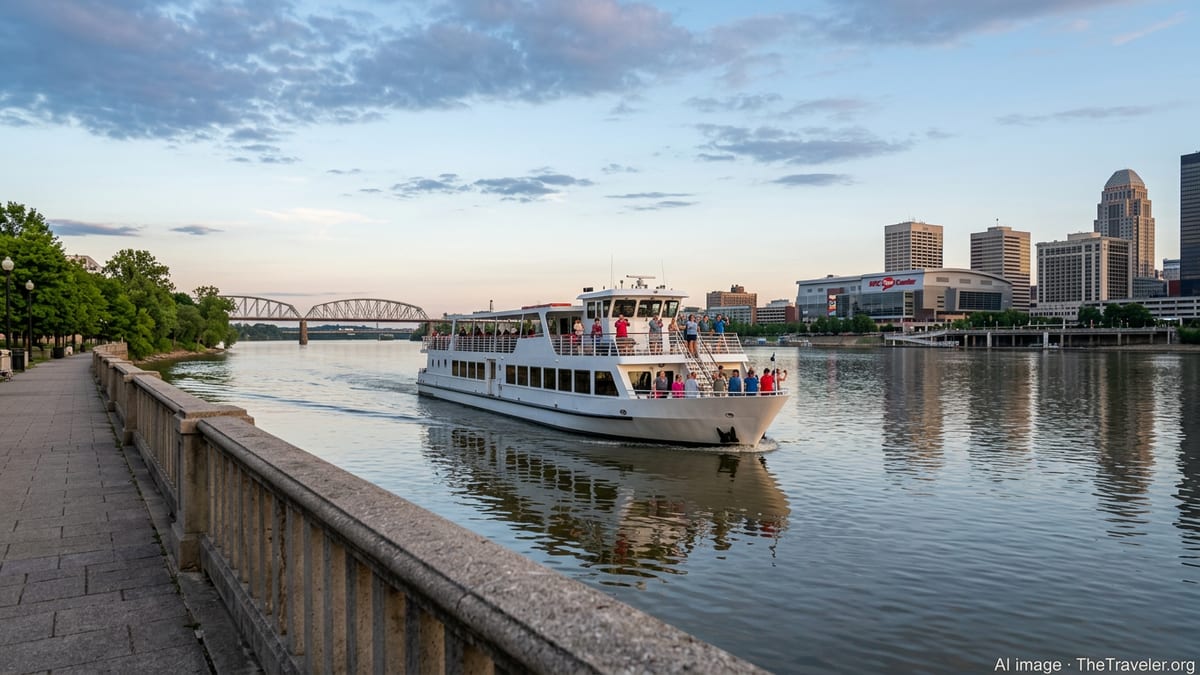
Four Straight Record Years for the Bluegrass State
Recent economic studies commissioned by Kentucky’s tourism agencies show that overall visitation has risen steadily since 2022, with the state logging roughly 76 million visitors in 2022 and more than 79 million in 2023. By 2024, travel researchers report that visitor numbers reached about 80 million, and early data for 2025 indicate that Kentucky surpassed 81 million trips as tourism continued its upward trajectory.
Visitor spending has kept pace with those increases. Publicly available figures show that travel-related spending in Kentucky climbed from just under 9 billion dollars in 2022 to about 9.7 billion dollars in 2023. That total grew again to more than 10 billion dollars in 2024, according to statewide tourism impact reports, and pushed overall tourism-related economic activity into the mid-14 billion dollar range.
Analysts note that this sustained run of growth marks four consecutive years in which tourism set new benchmarks for Kentucky’s economy. Industry research highlights rising demand for lodging, higher room rates, and robust food and beverage spending as core drivers, while tax collections tied to visitor activity have helped strengthen budgets in communities across the commonwealth.
State research partners attribute the continued expansion to a mix of post-pandemic travel recovery, strategic marketing campaigns in key domestic and international markets, and investment in infrastructure, including new attractions and upgrades at established sites.
International Market Rebounds Toward Pre‑Pandemic Levels
Within the broader surge, international visitors have become an increasingly important segment. Longwoods International and Tourism Economics, which prepare detailed visitation profiles for Kentucky, report that overseas arrivals have been recovering at a faster rate than domestic travel on a percentage basis, even if they still represent a relatively small share of total trips.
Data released for 2023 show that international visitation to Kentucky grew by more than 50 percent year over year, reaching roughly one third of a million trips as long-haul travel resumed. Spending by these visitors climbed at an even sharper pace, with international travel outlays rising around 70 percent compared with the previous year, according to statewide impact reports.
As the rebound continued into 2024 and 2025, industry analysts estimate that Kentucky now welcomes well over 80,000 overseas visitors annually, supported by expanded air connectivity to major U.S. gateways, as well as targeted promotions in Europe and other priority markets. While the precise totals vary by year, the overall direction points to sustained growth from abroad, adding a high-value layer to the state’s predominantly domestic visitor base.
International travelers tend to stay longer and spend more per trip than domestic visitors, particularly on lodging, dining, and premium experiences such as guided distillery tours or curated horse farm visits. Kentucky’s research shows that per capita spending by these guests is several times higher than that of the average domestic visitor, magnifying the economic impact of each additional overseas arrival.
Bourbon, Horses and Outdoor Adventure Drive Global Interest
Tourism research for Kentucky consistently identifies three flagship draws that resonate with international audiences: the bourbon industry, the state’s deep equine heritage, and its extensive outdoor recreation assets. Each has seen rising attendance from overseas markets as global travelers seek distinctive, authentically local experiences.
The bourbon sector, including the Kentucky Bourbon Trail and a growing constellation of craft distilleries, has expanded tours, tastings, and visitor centers to handle larger crowds. Visitor impact reports link bourbon tourism to millions of annual distillery visits, with international guests often combining tastings with premium dining and overnight stays in nearby towns, helping to spread spending beyond major cities.
Horse-related tourism, centered on Lexington and the surrounding Bluegrass region, continues to attract fans of racing, breeding, and equestrian sport from Europe, Asia, and Latin America. Publicly available coverage notes that farm tours, training facility visits, and major race events have seen stronger international attendance as travel restrictions eased and global interest in American racing brands intensified.
Meanwhile, Kentucky’s lakes, forests, and cave systems, including nationally recognized parks and natural attractions, have been featured more prominently in international marketing materials. Travel trend reports indicate that multi-day itineraries combining bourbon, horses, and hiking or paddling routes are gaining traction among overseas visitors seeking varied experiences within a single trip.
Economic Ripple Effects Across Counties and Small Towns
The impact of tourism’s growth, including the contribution of international visitors, extends well beyond headline spending totals. County-level analyses released by Kentucky organizations point to rising visitor expenditures in rural and small-town destinations that have invested in lodging, wayfinding, and heritage attractions.
In Barren County, for example, local reporting shows that a mix of outdoor recreation, regional events, and proximity to signature natural attractions has helped place the area among the state’s top tourism performers. Similar patterns appear in other counties where downtown revitalization, small museums, and event venues have been paired with improved marketing efforts that target both domestic travelers and international tour operators.
Researchers note that tourism-generated tax revenue has become an important support for local services, from infrastructure maintenance to public amenities that benefit residents as well as visitors. As international guests discover lesser-known corners of Kentucky, spending on restaurants, independent shops, and short-term rentals in these communities contributes to job creation and business expansion.
Economists who track the sector emphasize that the combination of high-volume domestic travel and higher-spending international visitors provides a diversified base for continued growth, particularly when paired with workforce development initiatives in hospitality and event management.
Marketing Strategies Aim to Sustain Global Momentum
To capitalize on the surge in international interest, Kentucky’s tourism bodies have continued to refine their outreach strategies. Industry updates outline campaigns that spotlight bourbon, bluegrass music, and scenic backroads in major overseas markets, along with participation in global trade shows and partnerships with airlines and tour companies.
Recent research summaries from the state’s tourism division highlight return-on-investment studies that track the performance of these marketing efforts. Findings presented in those documents indicate positive gains in awareness and intent to travel among targeted international audiences, supporting the case for continued funding of global promotion even as domestic visitation remains strong.
At the same time, planners are focusing on infrastructure and product development to ensure that communities are ready to host more overseas guests. This includes efforts to expand multilingual visitor information, enhance wayfinding in key gateways, and encourage new lodging and attraction projects that can disperse visitors more evenly around the state.
Sector analysts suggest that if Kentucky maintains its current trajectory, international arrivals could account for a growing share of visitor spending over the next several years, further boosting the state’s already record-setting tourism economy and reinforcing its reputation as an increasingly global destination.