


More news on this day
A sudden strike by ground staff at Tel Aviv’s Ben Gurion Airport on August 20 has rippled across Etihad Airways’ Abu Dhabi services, with at least one cancellation and multiple delays reported as airlines race to stabilize schedules ahead of late-summer peak travel.
Get the latest news straight to your inbox!
Industrial Action Halts Operations at Israel’s Main Gateway
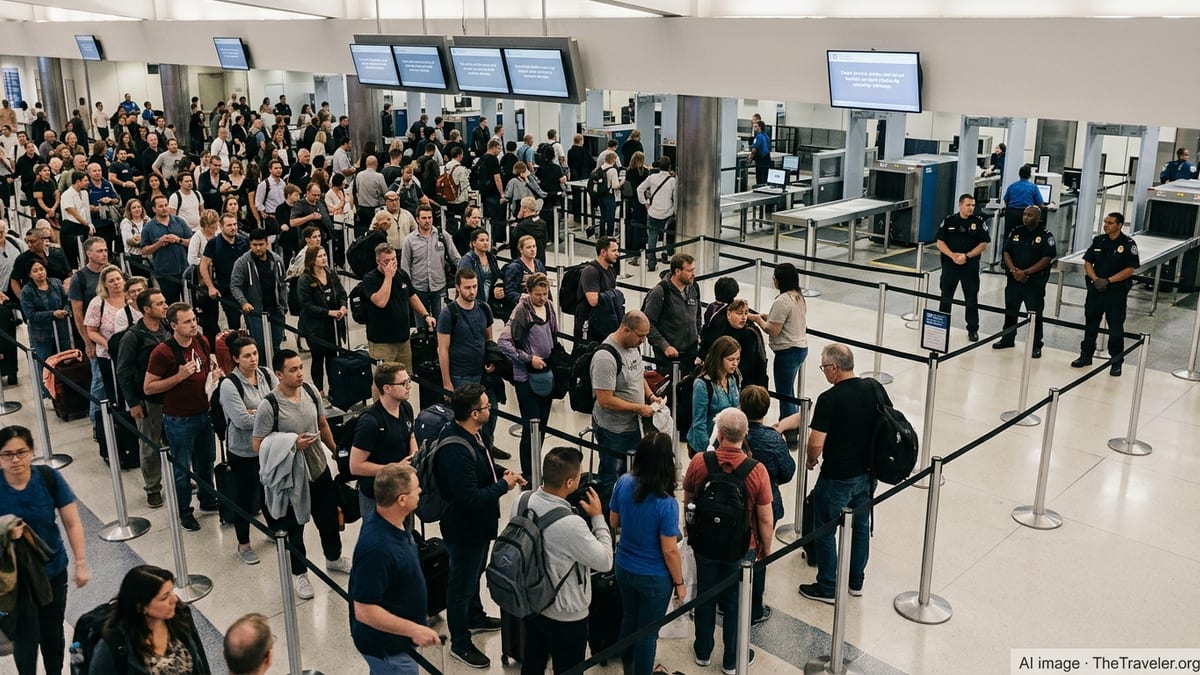
Reports from regional and international outlets indicate that Ben Gurion International Airport experienced a near-total halt in departures on August 20 after check-in and ground-handling staff launched an unannounced strike. The walkout quickly led to queues in the departure halls and a buildup of passengers in the terminal as airlines suspended check-in and boarding for outbound flights.
Coverage from regional news services describes scenes of disruption at the country’s primary international gateway, with flights held at gates or removed from departure boards while airport management and unions sought a way to resume partial services. Initial reports suggest the action was linked to a dispute over staffing levels and working conditions during one of the busiest travel weeks of the year, compounding existing congestion tied to high summer volumes.
By late August 20, published reports indicate that operations at Ben Gurion began to restart in phases, although residual delays extended into the following days as airlines repositioned aircraft and crews. For carriers with multiple daily rotations, including Etihad Airways on the Tel Aviv–Abu Dhabi corridor, the knock-on effect has included schedule changes and aircraft swaps as airlines work to accommodate displaced travelers.
Etihad Airways Tel Aviv Services Face Cancellations and Delays
Among the carriers affected, Etihad Airways has seen notable disruption on its Ben Gurion–Abu Dhabi routes. According to recent Gulf-based aviation coverage, at least one Etihad service, EY608 from Tel Aviv to Abu Dhabi, was canceled on August 20 in direct connection with the industrial action at Ben Gurion. Subsequent flights on the same route group have operated, but with varying levels of delay as schedules have been rebalanced.
Live-flight tracking data for Etihad’s Tel Aviv services show a pattern of extended departure and arrival times around the period of the strike. Flight EY600, operating from Tel Aviv to Abu Dhabi, departed significantly behind schedule on several consecutive days in the week of the disruption, arriving into the UAE up to an hour late on some rotations. Other Etihad services on the route, including EY608 and EY610, resumed regular operations after August 21, but have still recorded occasional delays as aircraft and crews cycle back into planned time slots.
Ben Gurion-specific flight boards list Etihad departures across multiple daily waves, underscoring how even a single day of industrial action can ripple across an airline’s network. With aircraft typically turning around in a matter of hours, any extended ground stop forces airlines to adjust downstream flights, sometimes opting for consolidations or cancellations when recovery windows are tight.
Knock-on Effects for Travelers Connecting via Abu Dhabi
The Etihad disruptions at Ben Gurion are not limited to point-to-point passengers between Tel Aviv and Abu Dhabi. Many travelers on these flights are connecting through Abu Dhabi to long-haul destinations in Asia, Australia, Europe and North America. When an origin flight leaves late or is canceled, onward itineraries can be heavily impacted, forcing passengers to seek rebooking options or overnight accommodation.
Online tracking platforms show that some Etihad Tel Aviv services in the days surrounding the strike arrived in Abu Dhabi significantly behind schedule, narrowing or eliminating connection windows for onward flights. This is particularly consequential for late-night and early-morning banks at Etihad’s Abu Dhabi hub, when a high volume of long-haul departures is timed to meet inbound traffic from regional points such as Tel Aviv.
Travel forums and social media posts from affected dates reference missed connections and extended waits at the hub, although many passengers also report that later departures operated once Ben Gurion’s check-in and security processes restarted. For travelers still due to fly, the pattern highlights the importance of monitoring bookings frequently and considering longer self-connection times where possible while the operation stabilizes.
Airport Conditions Gradually Improve, but Schedules Remain Fluid
Information from Israel’s Airports Authority and independent airport-monitoring sites suggests that Ben Gurion has moved back toward normal operations since August 21, with most scheduled flights operating on time or with minor delays. Flight listings for Etihad’s Tel Aviv departures in the days after the strike show services once again planned across the early-morning, mid-afternoon and evening banks, largely in line with pre-disruption patterns.
However, historical data compiled for August 2026 shows a small cluster of cancellations at Ben Gurion during the month, underscoring how sensitive schedules remain to staffing issues, regional tensions and airspace constraints. Industry trackers note that some carriers have opted for tactical cancellations rather than operating flights with extended delays, particularly when aircraft and crew have already run beyond standard duty limits as a result of the strike.
Travelers heading through Ben Gurion in the coming days are being urged by airlines and travel agents to arrive early, complete online check-in where possible and remain prepared for last-minute gate or timing changes. With late-summer demand still high, even a modest operational hiccup can quickly translate into lengthy queues at security, check-in and baggage services.
What Etihad Passengers Should Do Now
For Etihad customers booked on Tel Aviv–Abu Dhabi services, publicly available flight-status tools and airline advisories remain the primary sources of real-time information. Flight-tracking and airport sites are currently showing Etihad operations from Ben Gurion running broadly as scheduled, but with a recent history of shorter-notice timing adjustments that could affect tight connections.
Passengers are generally advised to verify their flight number and departure time on the same day of travel, pay close attention to SMS or email notifications from booking platforms, and use airline apps or websites to confirm whether a flight is on time, delayed or canceled. Those with complex itineraries or non-flexible travel plans may find it worthwhile to contact their booking channel about contingency options, such as rebooking onto earlier services or choosing itineraries with longer layovers in Abu Dhabi.
With Ben Gurion’s strike having occurred at the height of the regional summer travel peak, the episode serves as a reminder of how quickly labor disputes can translate into operational disruption across airline networks. For travelers on Etihad and other carriers using the airport, close monitoring of schedules and a degree of flexibility remain essential as the operation continues to normalize.