


More news on this day
Malaysians planning short getaways across the northern border are being urged to postpone non-essential trips to southern Thailand, after a series of coordinated blasts and arson attacks in three border provinces renewed security concerns in the long-restive region.
Get the latest news straight to your inbox!
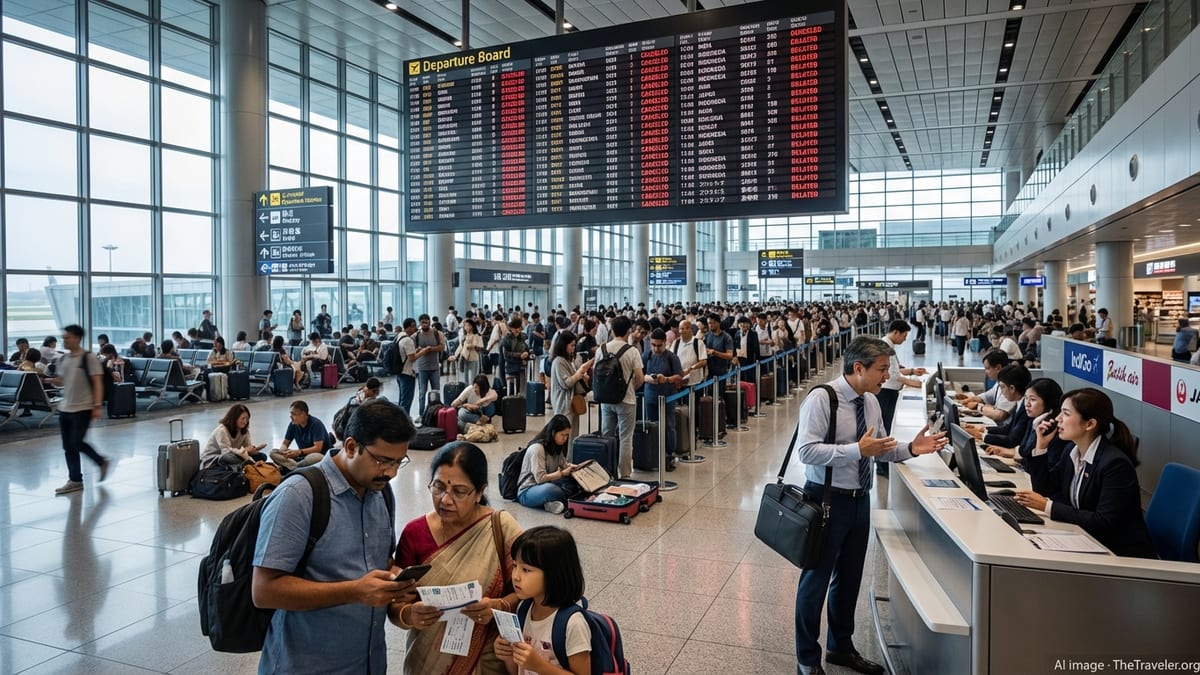
Fresh wave of attacks prompts renewed travel caution
Published coverage from Thailand and Malaysia over the weekend describes at least 50 coordinated security incidents late on August 22, 2026, across Yala, Pattani and Narathiwat, the three southernmost Thai provinces adjoining Malaysia’s east coast. Local reports highlight explosions and arson targeting infrastructure and businesses, with security checkpoints tightened and temporary curfews imposed in several districts.
The incidents took place in an area long affected by a low-level insurgency and sporadic violence, but observers note that the number of locations hit in a single night is unusually high compared with recent years. Regional media accounts indicate that Thailand’s leadership convened high-level security meetings in Bangkok in response to the unrest, reflecting concern that the situation could escalate further if not contained.
While day-to-day life in many parts of southern Thailand continues, the scale and coordination of the latest attacks have raised the risk profile for casual cross-border travel, particularly for Malaysians who routinely drive into the region for shopping, holidays and family visits.
Wisma Putra and Malaysian agencies advise postponing non-essential trips
Malaysia’s Ministry of Foreign Affairs, commonly known as Wisma Putra, issued an updated advisory on July 7, 2026 focused on the Thai provinces of Pattani, Yala and Narathiwat. The advisory recommends that Malaysians postpone all non-essential travel to these provinces and urges those already there to remain vigilant and register with the Consulate General of Malaysia in Songkhla.
Following the August 22 incidents, Malaysian media reports based on the ministry’s statements reiterate that no Malaysian casualties have been reported, but emphasize calls for heightened caution and careful consideration before undertaking trips into the affected areas. Travellers are encouraged to follow security instructions on the ground, stay updated through official channels, and keep contact details for Malaysian missions in Thailand at hand in case of emergency.
Separate reporting by state and local outlets indicates that law enforcement officials in border states such as Kelantan have advised residents to defer non-essential journeys across nearby checkpoints into southern Thailand until the situation stabilizes. The guidance is particularly relevant for those who make frequent short trips for shopping or leisure in towns just across the border.
Border-pass travel and popular routes affected
Many Malaysians visiting southern Thailand use a border pass scheme that permits short-range travel without a full passport, primarily into the provinces of Satun, Songkhla, Yala, Narathiwat and Pattani. Government information on the scheme highlights these provinces as the main catchment area for Malaysian border-pass holders, reflecting long-standing economic and social ties between communities on both sides of the frontier.
Popular destinations such as Hat Yai and parts of Songkhla province sit outside the core insurgency zones, and recent traveler accounts suggest that tourist districts there continue to function largely as normal. However, the latest advisory underscores that provinces immediately to the south and east, particularly Yala, Pattani and Narathiwat, now carry elevated security risks, and that conditions can change quickly along road corridors linking these areas.
As a result, travel planners and transport operators serving Malaysia–Thailand border routes are closely watching official guidance. Malaysians considering overland journeys that transit near or through the deep south are being advised, through widely shared media coverage, to reassess itineraries, build in flexibility, and check whether accommodation or tour providers are adjusting operations in response to the heightened alert.
International advisories highlight heightened risk in Thailand’s deep south
The Malaysian warnings align with travel advice from several foreign governments that have long cautioned against all but essential travel to parts of Thailand’s far south. Updated guidance from the United Kingdom’s Foreign, Commonwealth and Development Office, for example, continues to advise against all but essential travel to Pattani, Yala, Narathiwat and selected districts of Songkhla province near the Malaysian border.
These advisories typically cite the persistent risk of bombings, shootings and other security incidents linked to the local insurgency, as well as the possibility of attacks on both security targets and commercial or transport infrastructure. While most international visitors to Thailand head to destinations far from the southern border, the guidance is particularly relevant for regional travellers such as Malaysians, who are more likely to access the deep south by road.
Regional analyses of the southern Thai conflict describe it as a long-running, localized insurgency concentrated in Malay-majority districts. Although tourist centers like Phuket, Krabi and Bangkok lie far beyond the affected area, the events of August 22 have renewed attention on the distinct risk landscape in the provinces contiguous with Malaysia’s northern states.
Practical guidance for Malaysians considering travel
For Malaysians weighing travel to Thailand in the coming weeks, publicly available information suggests that most of the country’s major holiday destinations, including Bangkok, Chiang Mai and island resorts in the Andaman Sea and Gulf of Thailand, continue to operate normally. The current advisories focus specifically on the deep south, where security operations have been intensified following the latest wave of attacks.
Malaysians who nonetheless need to travel to or through Yala, Pattani or Narathiwat for essential reasons are being encouraged by official notices and media summaries to stay informed via the Foreign Ministry’s travel advisory portal, register their presence with the Malaysian missions in Thailand, and maintain regular contact with family or employers. Travellers are also urged to monitor local news, avoid large gatherings or unfamiliar backroads at night, and factor in potential checkpoint delays or temporary movement restrictions.
As the situation remains fluid, any relaxation or tightening of guidance is likely to be reflected first through formal advisories issued in Putrajaya and Bangkok and then amplified across Malaysian news outlets. Until clearer signs of stabilization emerge, the prevailing message for casual travellers from Malaysia is to defer non-essential trips into Thailand’s southern border provinces and, where possible, opt for destinations further north that lie outside the current advisory zones.
Malaysia Ministry of Foreign Affairs travel advisory for Pattani, Yala and Narathiwat
Malay Mail coverage of Wisma Putra advisory after southern Thailand blasts